“He is able”: Josephat’s journey
From being defined by his disabilities to becoming a leader and teacher of his well-honed skills
Photo: Josephat, pictured today on the Neema Crafts website, and (right) in the early days with a ball of elephant dung, the raw material for the first Neema paper products
Born profoundly deaf and with spina bifida, Josephat’s early life in Tanzania was a struggle.
People with disabilities in Tanzania are often considered a mistake, a curse. So, finding employment as a disabled person in Tanzania is virtually impossible. Many are reduced to begging in the streets or are hidden away by embarrassed family members.
After losing both parents during childhood, Josephat was grudgingly looked after by extended family who made him feel like a burden. Trapped by a lack of opportunity and the belief that he would never be able to support himself, Josephat faced a future of dependency and stigma.
Everything changed for Josephat in 2003 when he became one of the first three trainees at Neema Crafts, a project started by the Anglican Diocese of Ruaha in Iringa. Neema means “grace” in Kiswahili. With help and guidance from pioneering Church Mission Society (CMS) mission partner Susie Hart, the centre was established to provide dignity and employment for people with disabilities. Today Neema has trained and employed over 100 deaf and disabled people.
From “Hunchback” to “He is Able”
Deaf people in Iringia often use descriptive “sign names”. For years, Josephat was known simply as “Hunchback” due to the severe curvature of his spine caused by spina bifida. However, as his skills flourished at the centre, his peers soon saw a profound transformation.
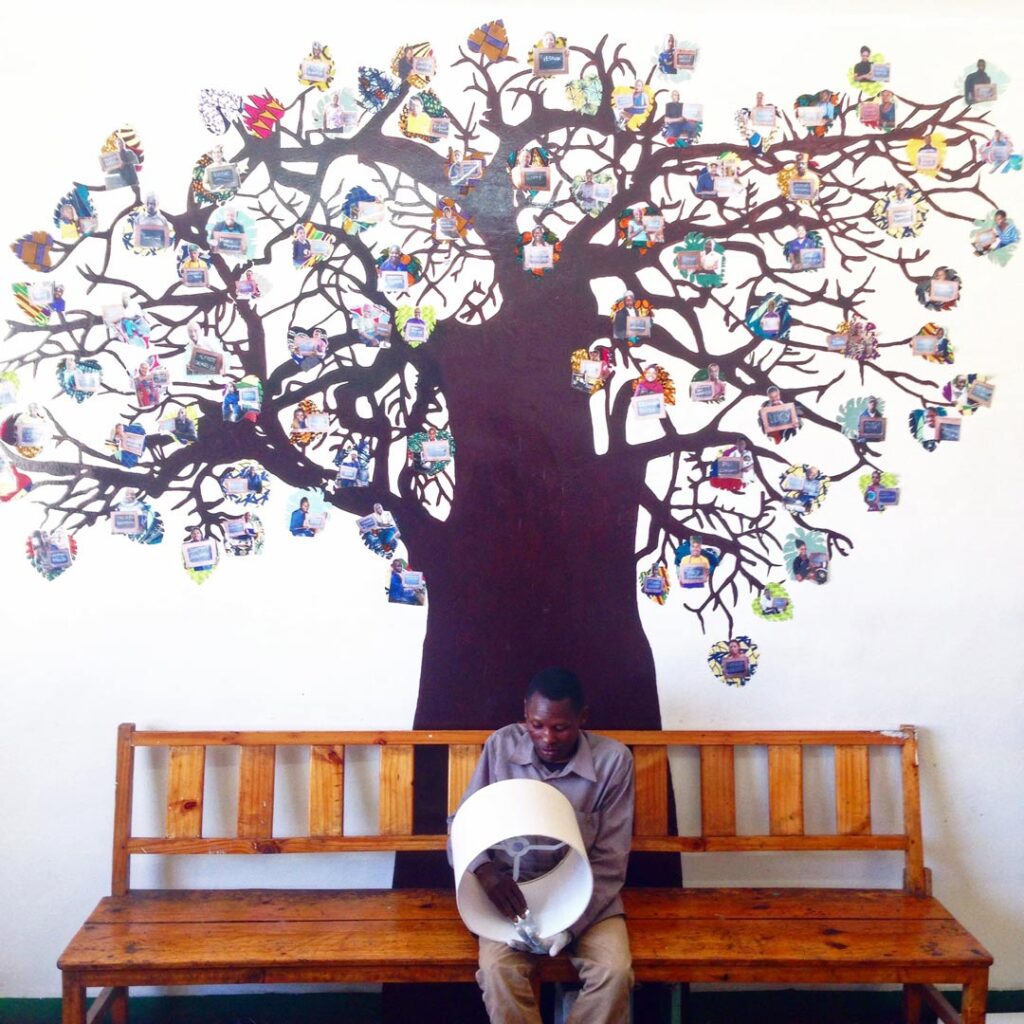
Josephat became particularly adept at creating the centre’s renowned elephant dung paper, a process that involves boiling and processing elephant waste into high-quality stationery. His expertise eventually led his fellow trainees to officially change his sign name to “He is Able” – a title that reflects his skill. His whole identity and understanding of his worth changed.
From dependency to dignity
Today, Josephat is a leader. He takes great pride in his work, especially in teaching others papermaking. This professional success has allowed him to earn a stable wage and achieve independence.
Beyond economic empowerment, the community has offered Josephat spiritual and emotional healing. Through the centre’s weekly Bible studies and the support of the local chaplain, Josephat has replaced the cultural stigma of being “cursed” with the understanding that he is loved and valued by God.
Now comprising a crafts centre, cafe, tourist accommodation and a variety of workshops for making everything from textiles to prosthetic limbs, Neema is a beacon of light, showing the local community how much disabled people can do.