Hopeful in Jamaica
Harvey Kwiyani reports from a unique conference representing the global African church
In April this year, Dr Harvey Kwiyani, African Christianity Programme Lead for CMS Pioneer Mission Training and Director of the Acts 11 Project, travelled to Jamaica to attend the African Forum on Religion & Government (AFReG).
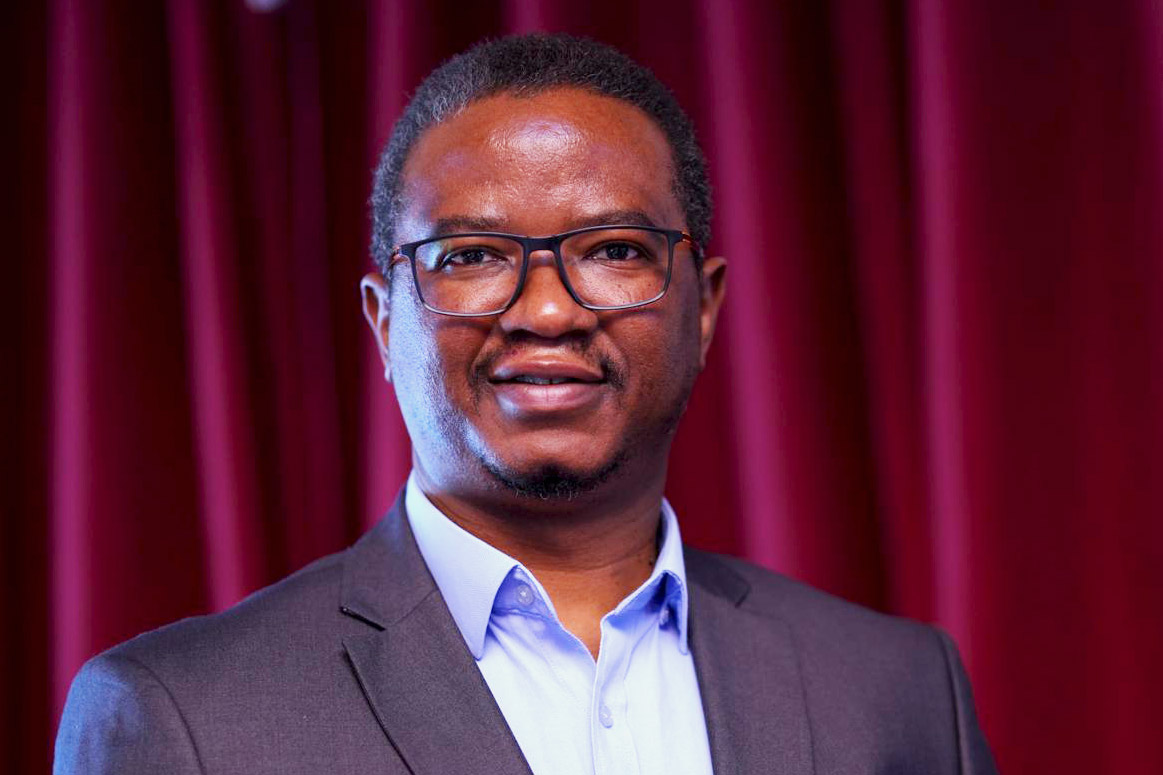
by Harvey Kwiyani
AFReG emerged roughly two decades ago as an effort to bring together African Christian leaders, government officials, business leaders, educators, and civil society actors around a shared vision for the transformation of Africa grounded in what is described as “God-centred values.”
From the beginning, AFReG sought to move beyond narrowly ecclesial concerns toward broader engagement with public life, governance, economics, leadership, and social transformation. Subsequent gatherings in Kenya, Zambia, and Ghana gradually expanded the movement’s Pan-African vision while strengthening relationships between church leaders, policymakers, and African diasporic communities.
The 2026 conference was the fifth event and brought together around 100 participants, representing 10 African countries alongside a strong Global African presence from the UK, the Caribbean, South America, and North America.
The fifth gathering, held in Montego Bay, Jamaica, marked a particularly significant development by foregrounding the relationship between continental Africa and the African diaspora within the framework of the African Union’s “Sixth Region” vision. Under the theme “Building Bridges: A Call for Pan-African Unity and Transformation,” AFReG 5 brought together leaders from Africa, the Caribbean, Europe, and the Americas to explore questions of identity, governance, leadership, economic development, historical trauma, reconciliation, and the role of the church in public life.
What especially impressed me was AFReG’s refusal to separate spiritual renewal from social transformation. The conference treated trauma, mental health, governance, economics, education, technology, and theological decolonisation as deeply interconnected realities. There was a persistent insistence that prayer and spirituality must lead to ethical leadership, institution-building, economic imagination, and collective action. Discussions on healing explored the long shadow of slavery and colonialism not only psychologically but spiritually and culturally, while conversations on AI, leadership, education, and the African Union’s “Sixth Region” framework challenged participants to imagine new forms of African agency and global collaboration.
The range and calibre of speakers reflected the ambition of the gathering. Among them were the former President of Nigeria, President Olusegun Obasanjo, Dr Macaulay Kalu, (Director of the Sixth Region of Africa), Mrs Tsitsi Masiyiwa, (Zimbabwean philanthropist and Executive Director of the Higher Life Foundation), Professor Anna Bailey of Binghamton University, and Dr Lisa Pal, Head of Racial Justice Priority in the Diocese of London. Together, they framed a conversation that moved across public life, economics, diaspora identity, and the moral responsibilities of leadership.
My presentation was delivered in collaboration with Professor Stephen-Dione Jennings of the University of the West Indies. I argued for the need to decolonise not only African theology and missiology, but also the wider expressions of Christianity across both the continent and the Global African world. Professor Jennings offered a historically grounded account of the development of Christianity in Jamaica, providing a rich contextual frame for our shared concerns. Our contributions were mutually reinforcing and resonated closely with the work of Anna Bailey and Lisa Pal on fostering dialogue between Africans and the African diaspora. There was a clear convergence among us that any meaningful outcome from the conference will require intentional, sustained collaboration between us all, both in Africa and in its diasporas.
By the end of the conference, it was clear that AFReG is attempting something much larger than hosting inspirational events. It is helping cultivate a Global African Christian imagination capable of reconnecting fragmented histories, healing wounded identities, and mobilising Africans and members of the diaspora as architects of their own future rather than passive recipients of external agendas.
What I encountered in Jamaica left me deeply hopeful. There was a seriousness to the conversations, a willingness to think beyond inherited limitations, and a growing recognition that African Christianity has entered a new historical moment. The church in Africa and across Global Africa is no longer simply responding to agendas set elsewhere. Increasingly, it is beginning to ask its own questions, recover its own memory, and imagine its own future.
You can read more about Harvey’s trip here and here.

