Christians from clashing communities pledge to stop online hate
South Sudan Digital Pledge for Peace gains traction
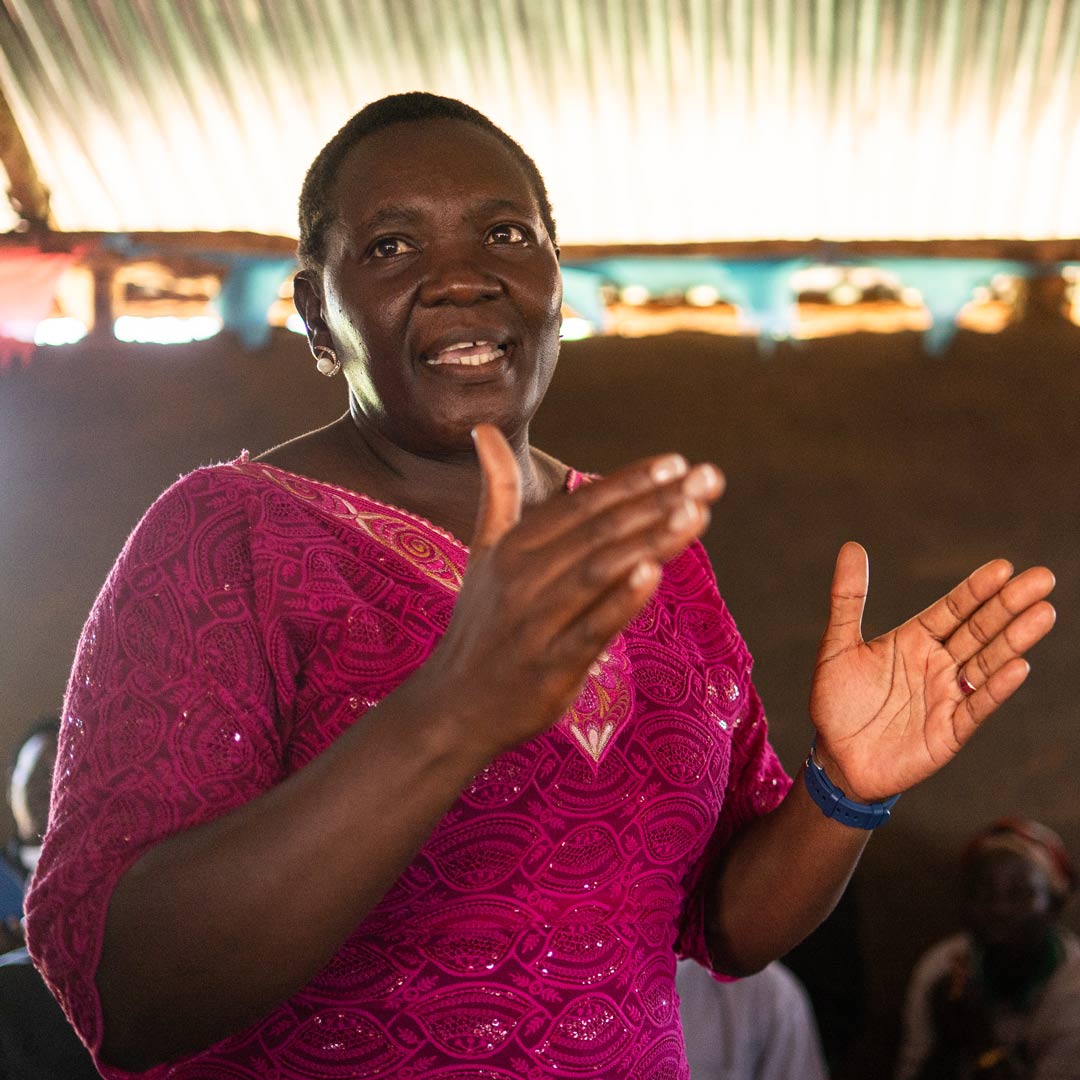
Photo: Women representing Dinka Ngok and Twic communities are leading the way in peace initiatives
Church leaders, young people and communities in conflict-affected areas of South Sudan are committing to challenge fake news, hate speech and online incitement as part of a grassroots peacebuilding initiative, recognising that inflammatory digital content can contribute to real-world violence.
Church leaders, young people and communities in conflict-affected areas of South Sudan are committing to challenge fake news, hate speech and online incitement as part of a grassroots peacebuilding initiative, recognising that inflammatory digital content can contribute to real-world violence.
The Digital Pledge for Peace is a joint initiative, which was first signed in July 2025 by women representing both the Abyei and Twic communities, and is now gaining increasing traction as more denominational groups sign up and commit to practise greater responsibility in their use of social media.
The initiative has emerged from years of conflict and trauma in which unverified social media posts and inflammatory online messaging have contributed to tensions and violence, including during the 2016 national crisis and the 2022 clashes between Abyei and Twic communities. Christians and Christian leaders from groups in conflict have confessed to past participation in this kind of activity but are now setting an example for others to follow in refusing to spread hateful rhetoric about one another.
Digital discipleship stopping hateful divisions
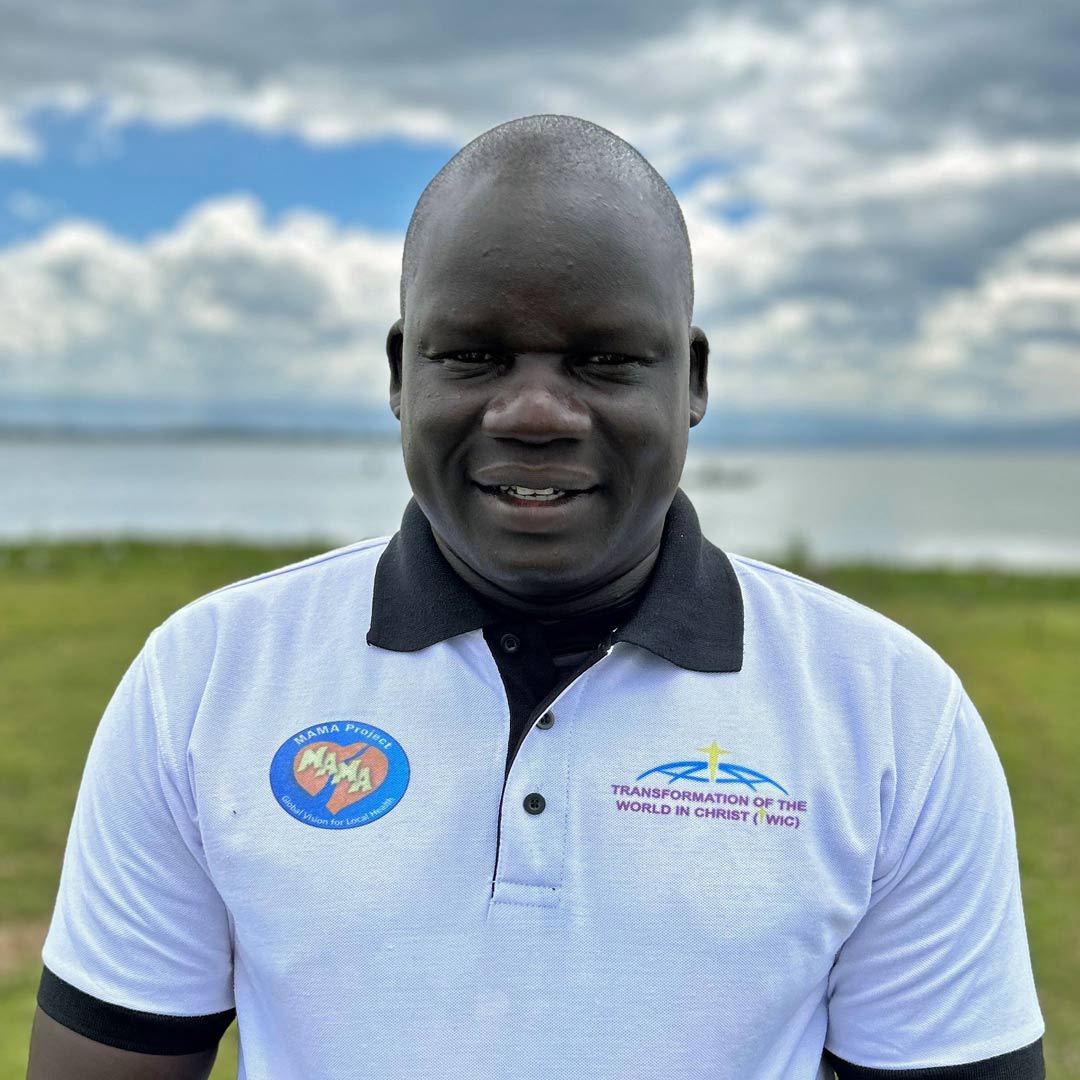
“A single post, share, or voice note can directly cause loss of innocent lives, displacement of families, and community destruction,” says Paul Lueth, a local peacemaker working with Church Mission Society (CMS). “As disciples, our online behaviour must reflect our faith. Jesus called us to be peacemakers in Matthew 5:9, and biblical stewardship requires self-control over our keyboards just as much as our tongues.”
The initiative recognises that social media and messaging platforms, particularly WhatsApp, are an important part of everyday communication for church members and young people.
Church leaders are therefore seeking to equip Christians, especially youth, to use social media constructively for peacebuilding rather than spreading division, misinformation or hate speech. The issue is being addressed directly through peace rallies, prayer breakfasts and community dialogues, giving church leaders an opportunity to establish a clear moral standard for responsible online behaviour and encourage accountability among young people and diaspora communities.
The Digital Pledge for Peace frames responsible use of social media as part of Christian discipleship, drawing on biblical principles such as Ephesians 4:29, which calls believers to use words that build others up rather than cause harm. In communities where inter-church peace rallies and dialogues have taken place, young leaders are increasingly challenging fake news and inflammatory posts within their own WhatsApp groups and social media networks. Rather than simply passing on potentially harmful information, they are seeking to become digital peacemakers. The grassroots initiative also complements the work of local civil authorities, including the Twic County Commissioner and Abyei Chief Administrator, in efforts to maintain calm and reduce tensions in the region.
An example for the world
Sustaining the initiative remains a significant challenge. Large numbers of church members, youth groups and communities are spread across remote rural areas, making regular communication and pastoral follow-up difficult. Limited funding for transport, fuel, communications and educational activities restricts the ability of local leaders to reach communities consistently. Church leaders say that a commitment made during a single peace rally cannot, by itself, create lasting change. Continued pastoral engagement, educational workshops and community-level monitoring are needed to turn the pledge into everyday digital responsibility. Nevertheless, local youth leaders are already reporting changes in behaviour, with some social media influencers challenging fake news and aggressive posts within their own WhatsApp groups and wider online networks.
Joan Busolo, CMS regional manager for Africa, said: “South Sudan’s peacemakers are bringing a stark reminder to the global Church: digital interactions are never neutral. Words shared online carry real-world weight, making digital responsibility an essential duty for Christians everywhere.”
Women playing key part in peace
The Digital Pledge for Peace forms part of an ongoing peacebuilding process facilitated by CMS and its local partners in South Sudan among the Dinka Twic and Dinka Ngok groups who have been mired in violent conflict involving a land dispute for years. In June 2025, women from the communities involved came together for the Twic and Ngok Joint Women Peace Dialogue Meeting. The event brought together religious leaders, representatives of the United Nations Mission in South Sudan, government officials and community representatives. Women from both communities committed themselves to becoming ambassadors for peace in their homes and communities, encouraging forgiveness and respectful dialogue and taking an active role in local peacemaking. The latest digital initiative extends that work into an increasingly important area of community life: the online spaces where information, opinions and tensions can spread rapidly.
For the churches involved, the message is simple: peacebuilding does not stop when people pick up their phones.