How does migration reshape mission?
Reflections on the 2026 Acts 11 Project Mission and Migration Conference
How does migration reshape our ideas of mission, the Church, and fellowship?

by Nuam Hatzaw | Photos by Dan Misson
That question sat at the heart of the second Acts 11 conference, held in Liverpool last week (4–5 September) under the theme “Shifting Centres, Moving Peoples: Rethinking Partnership and Mutuality in an Age of Migration.”
Over two days, keynote talks, breakout sessions, a session with the International Slavery Museum, an evening at a diasporic church, and countless conversations over coffee all helped unpack this central issue of what it means to be Christians from vastly different churches, countries, and contexts, bound together by a shared faith and a shared calling to mission.
Below are some highlights from the conference, followed by my closing reflections on discomfort and grace as the twin foundations of genuine partnership.
Highlights
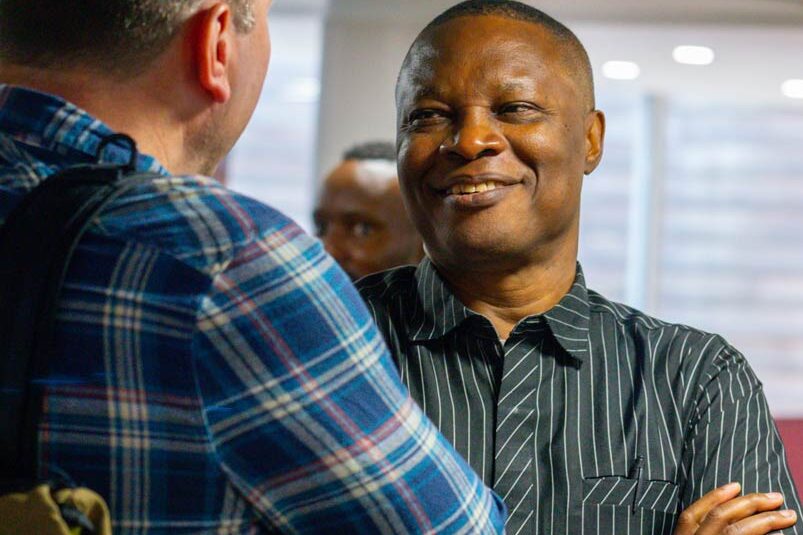
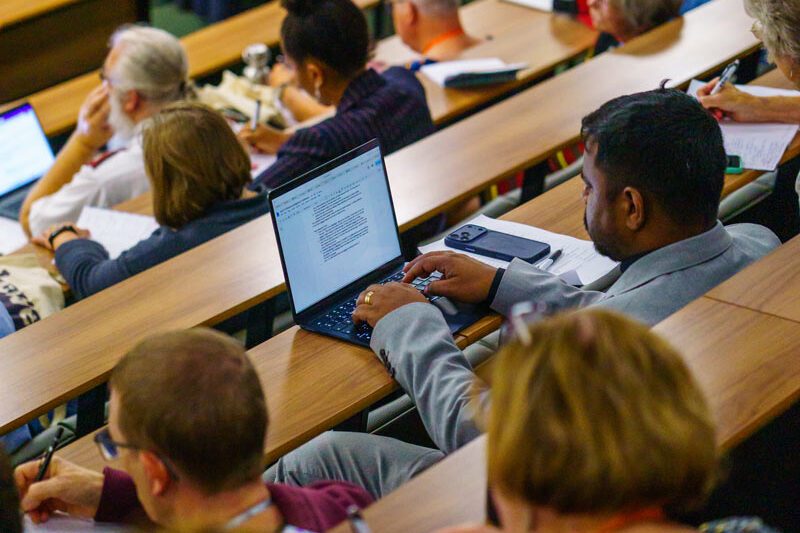
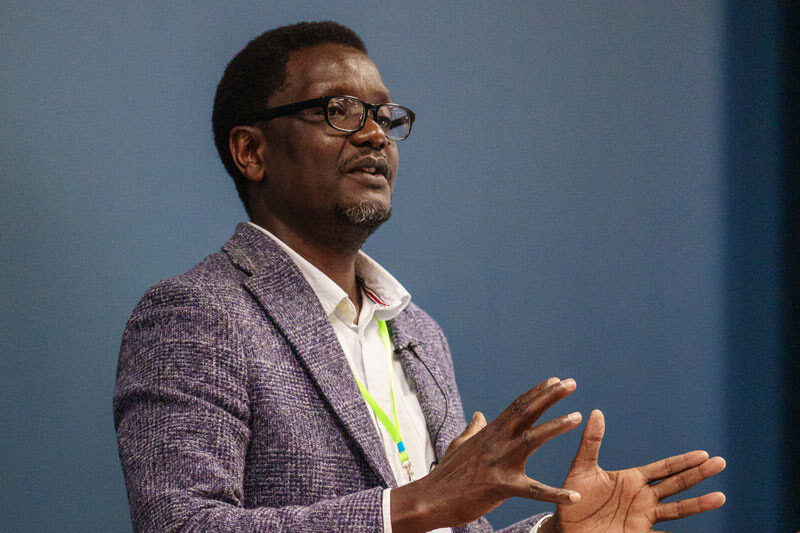
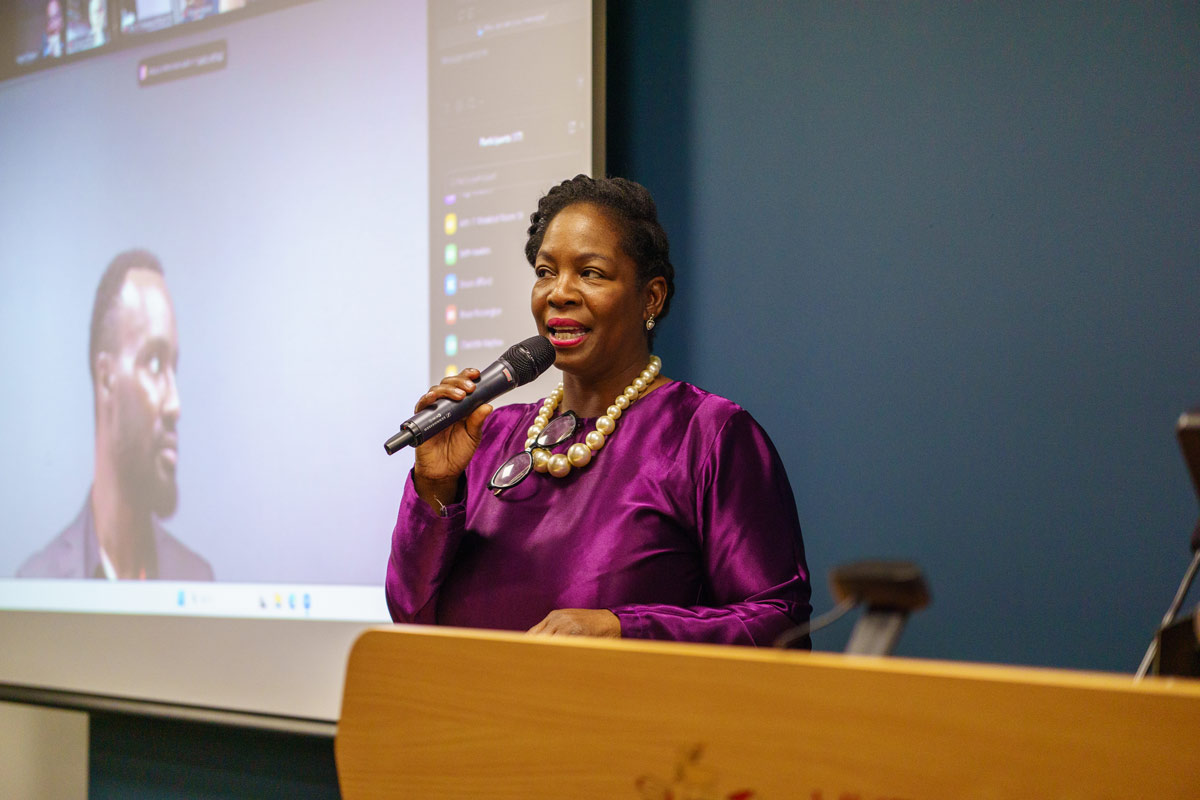
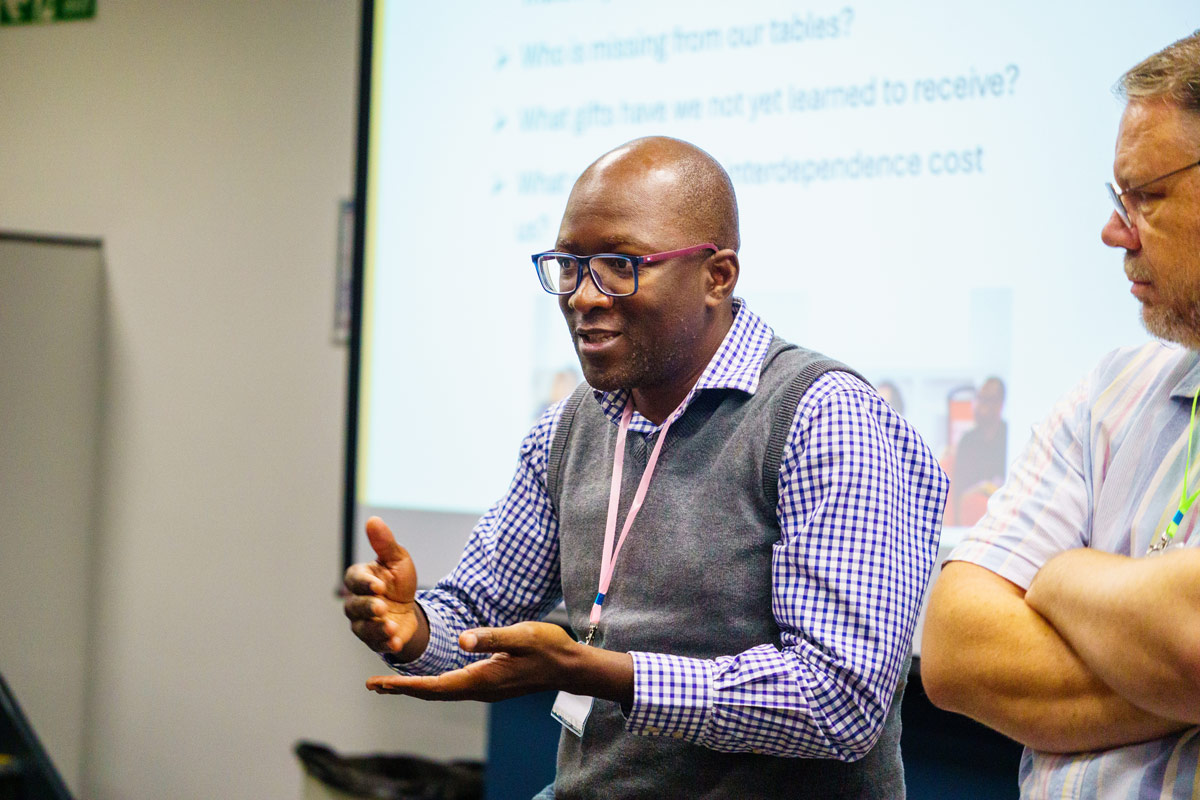
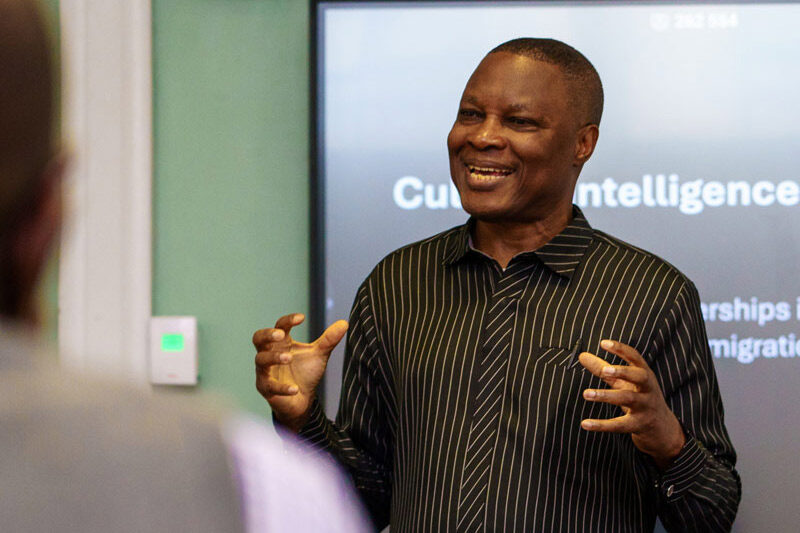
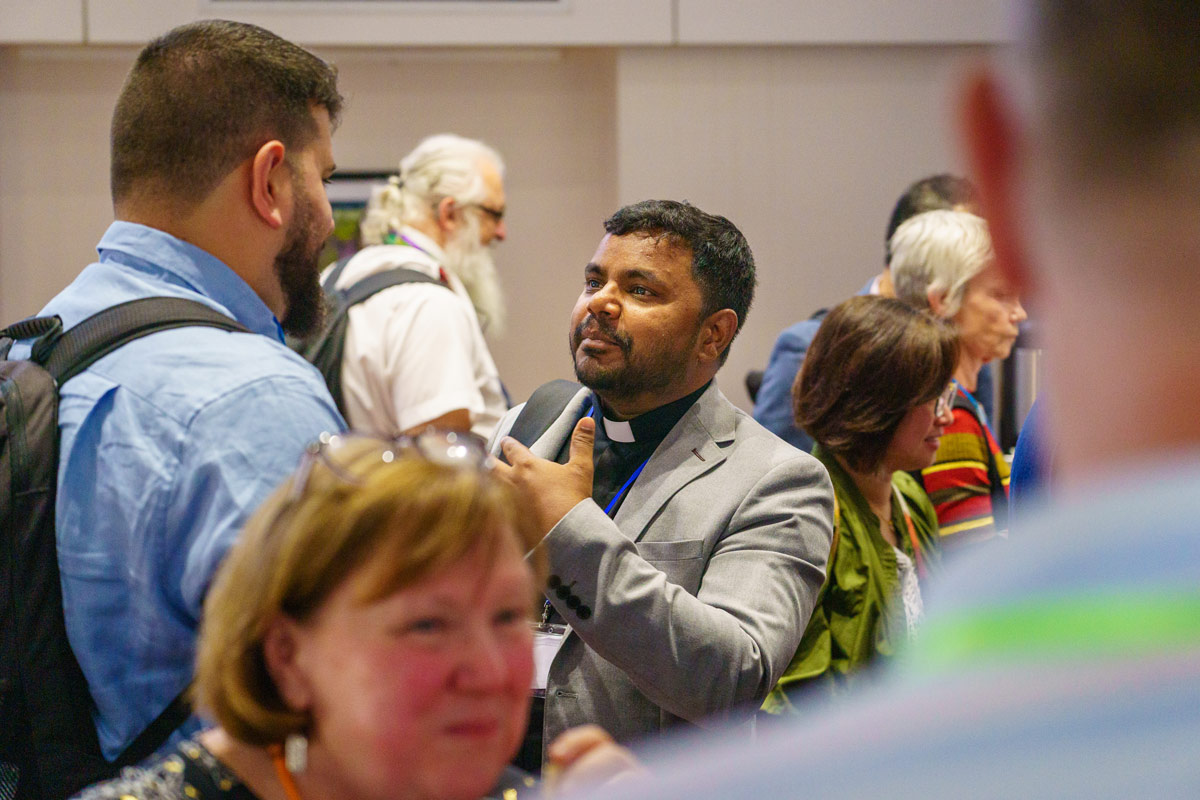
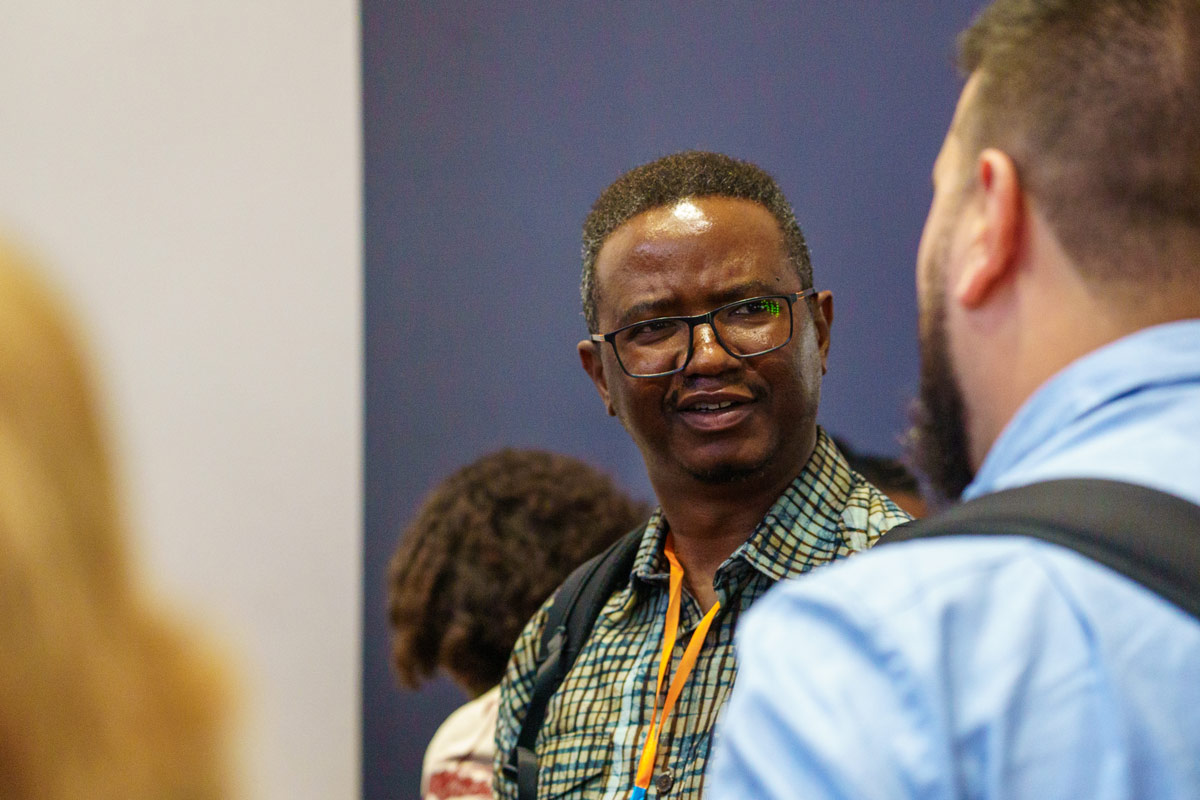

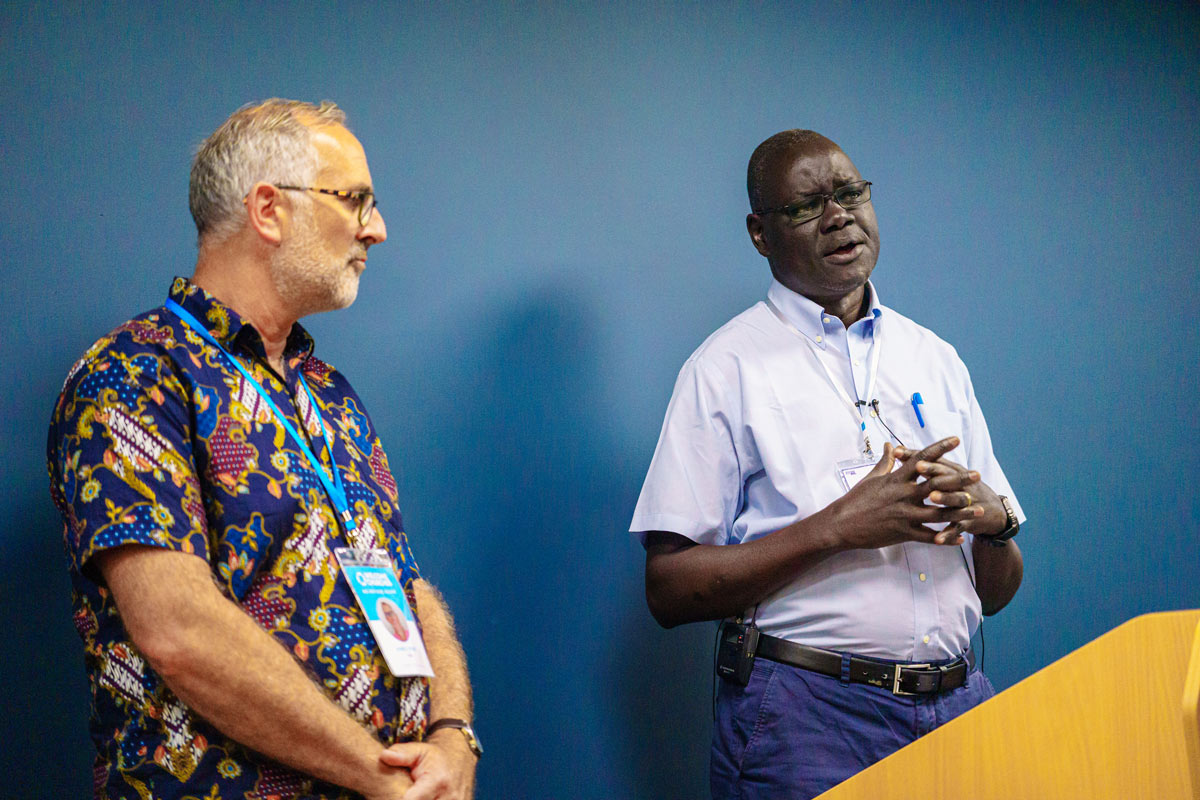
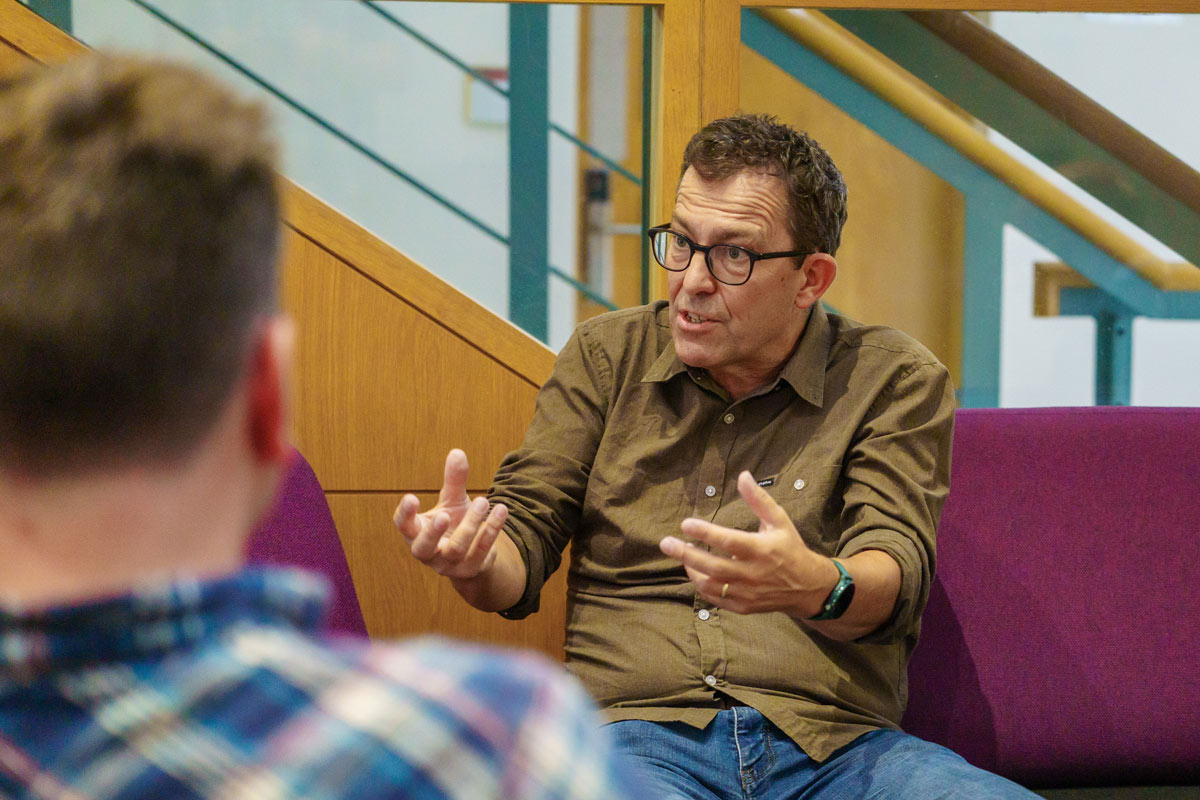
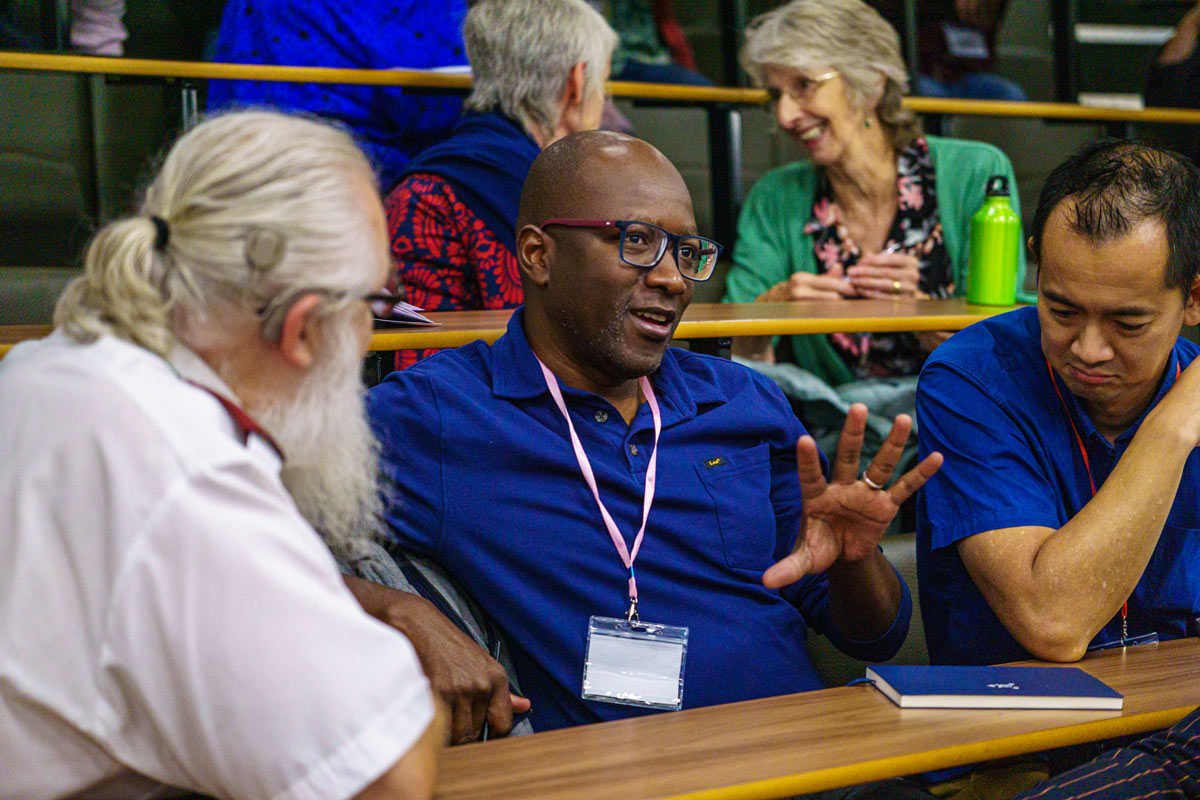
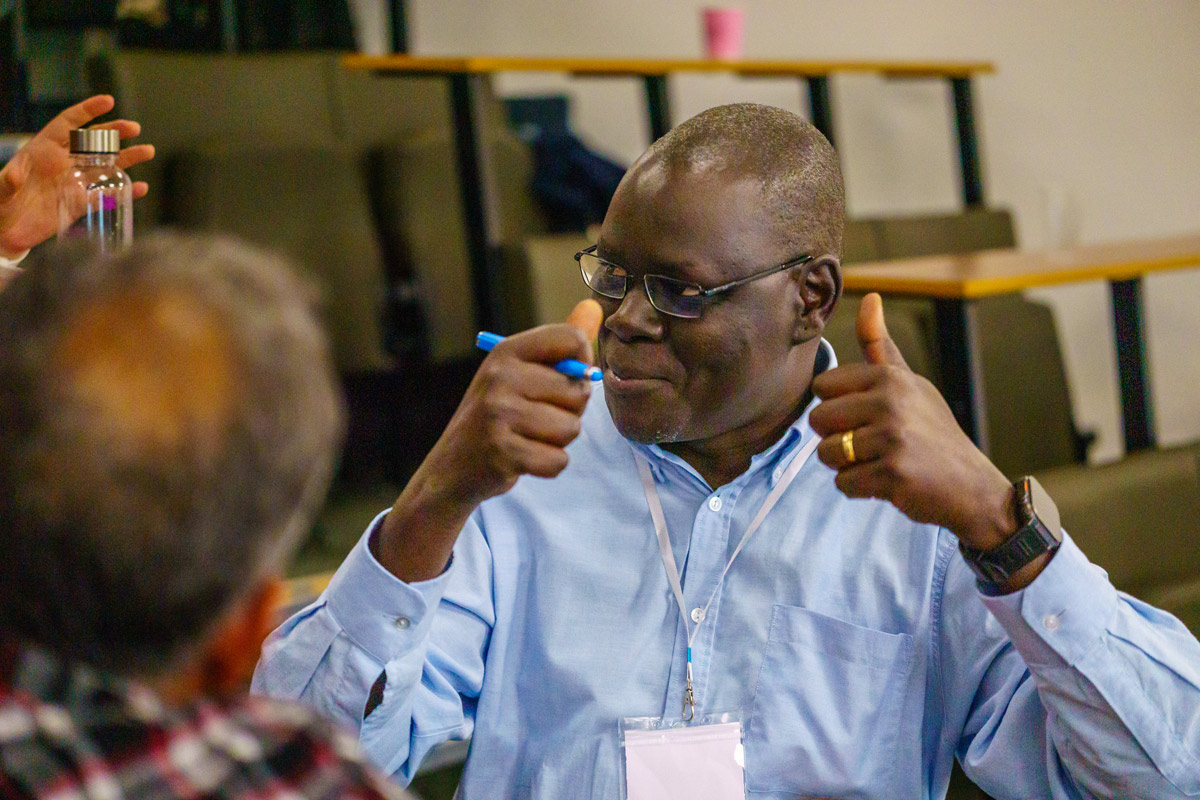
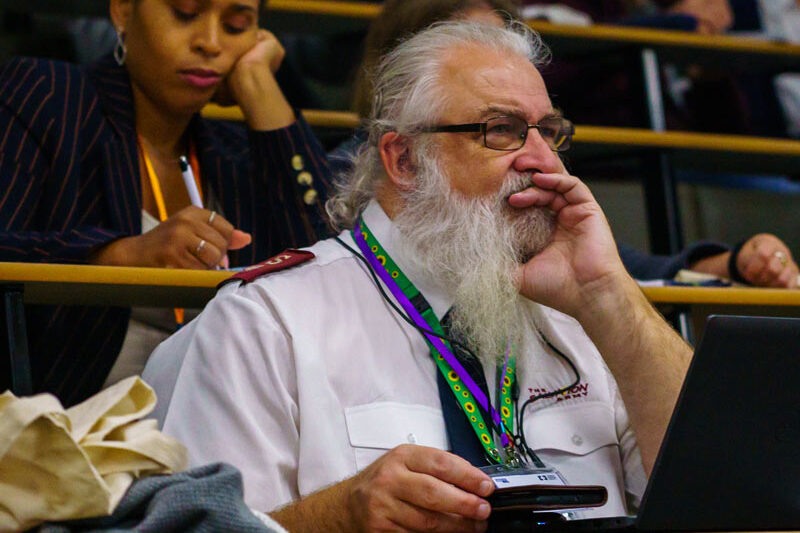

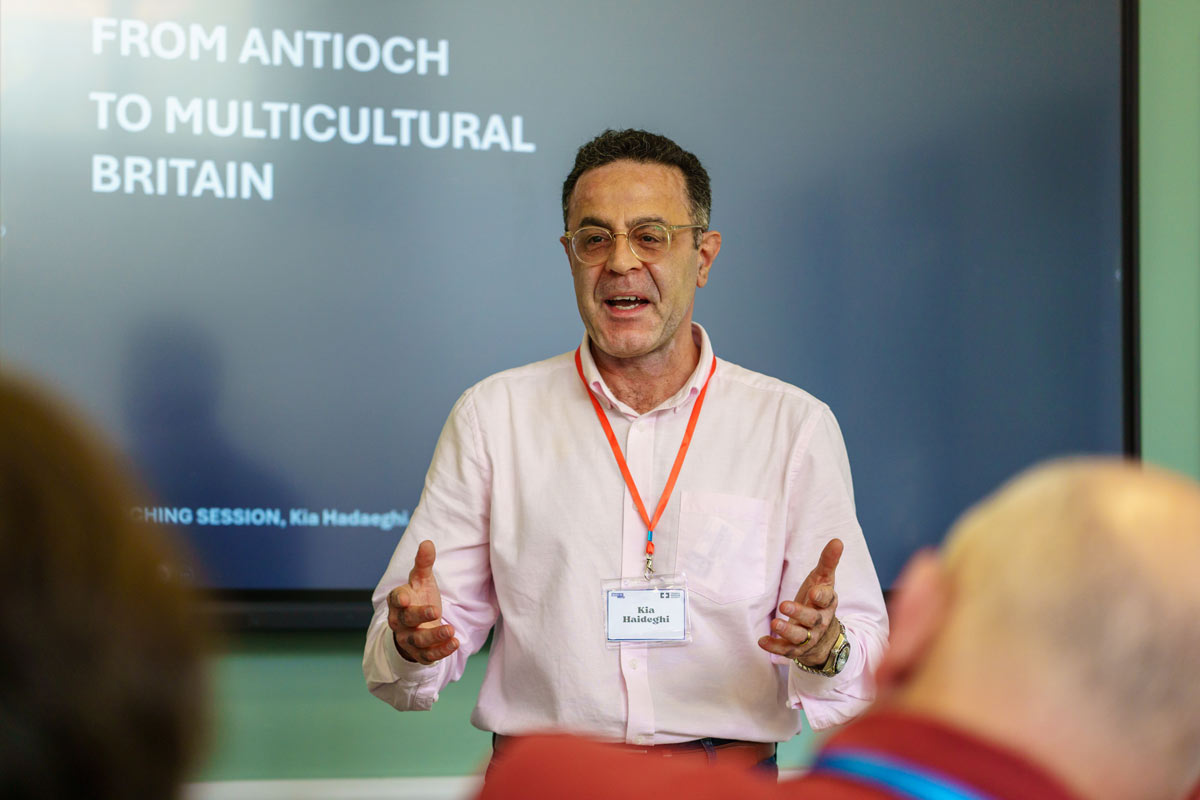
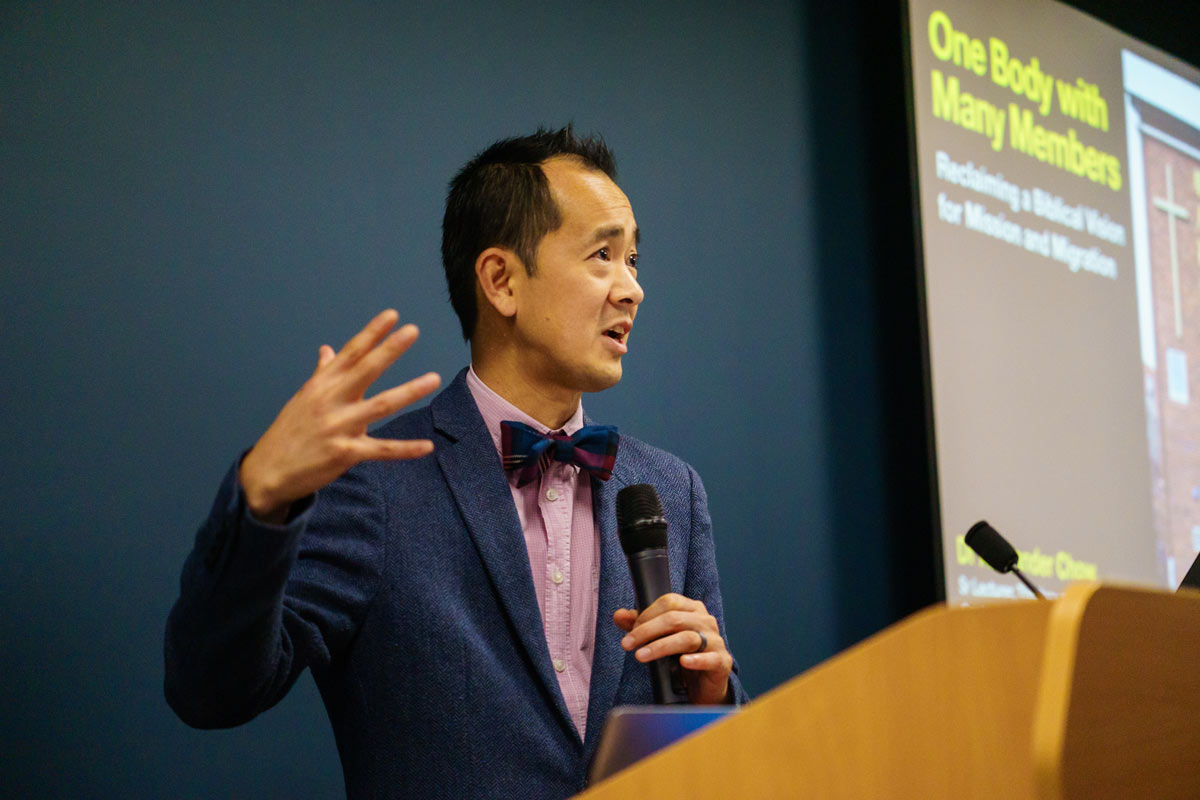
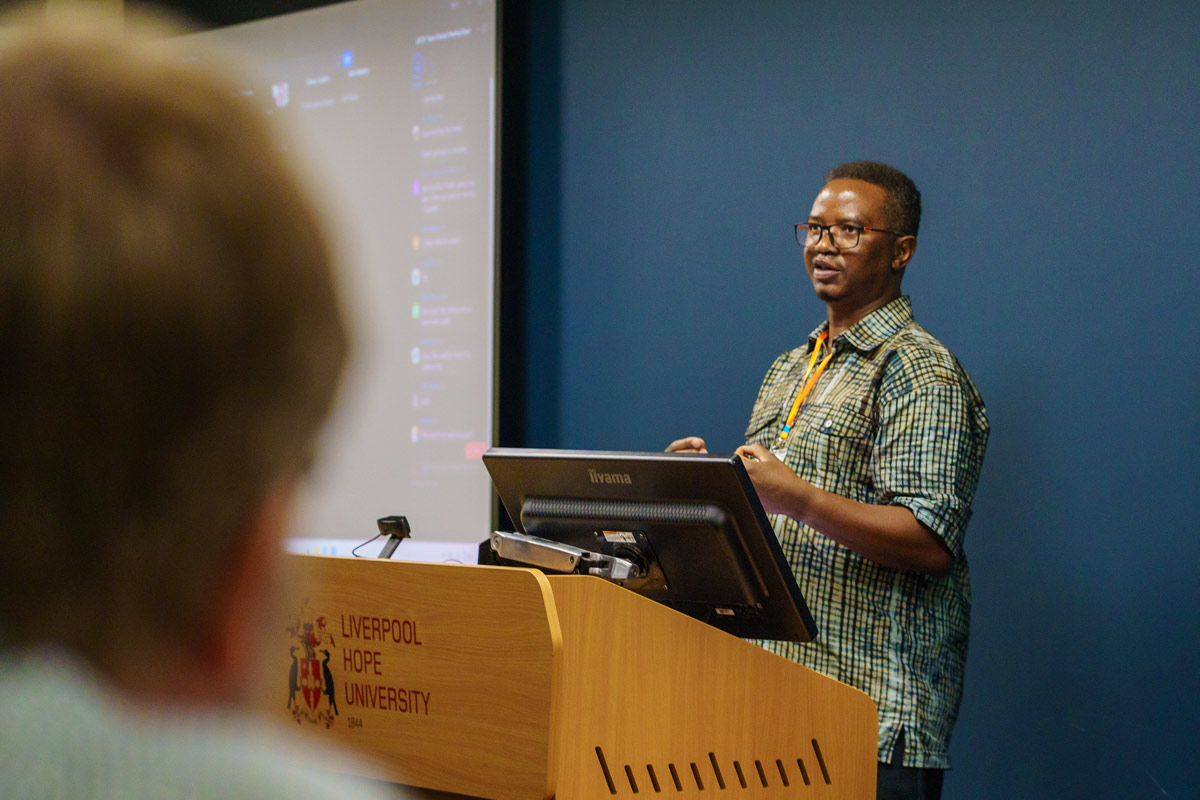
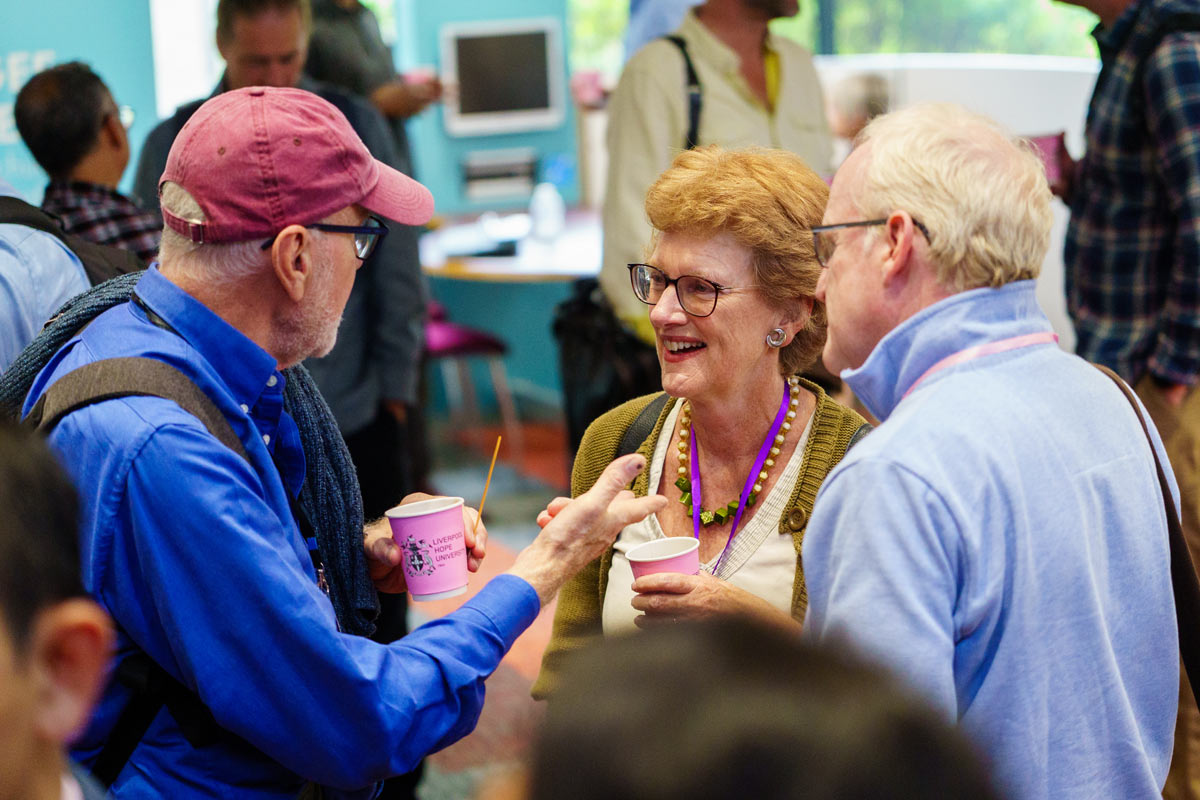
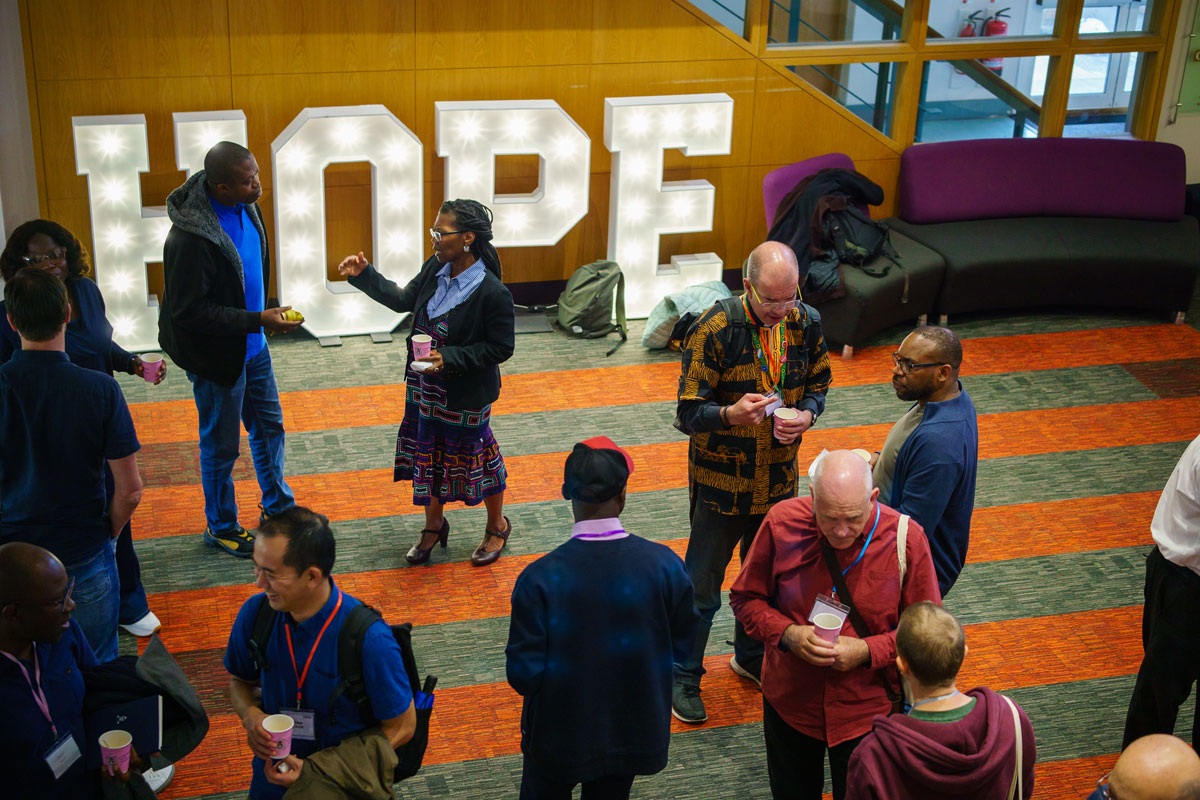
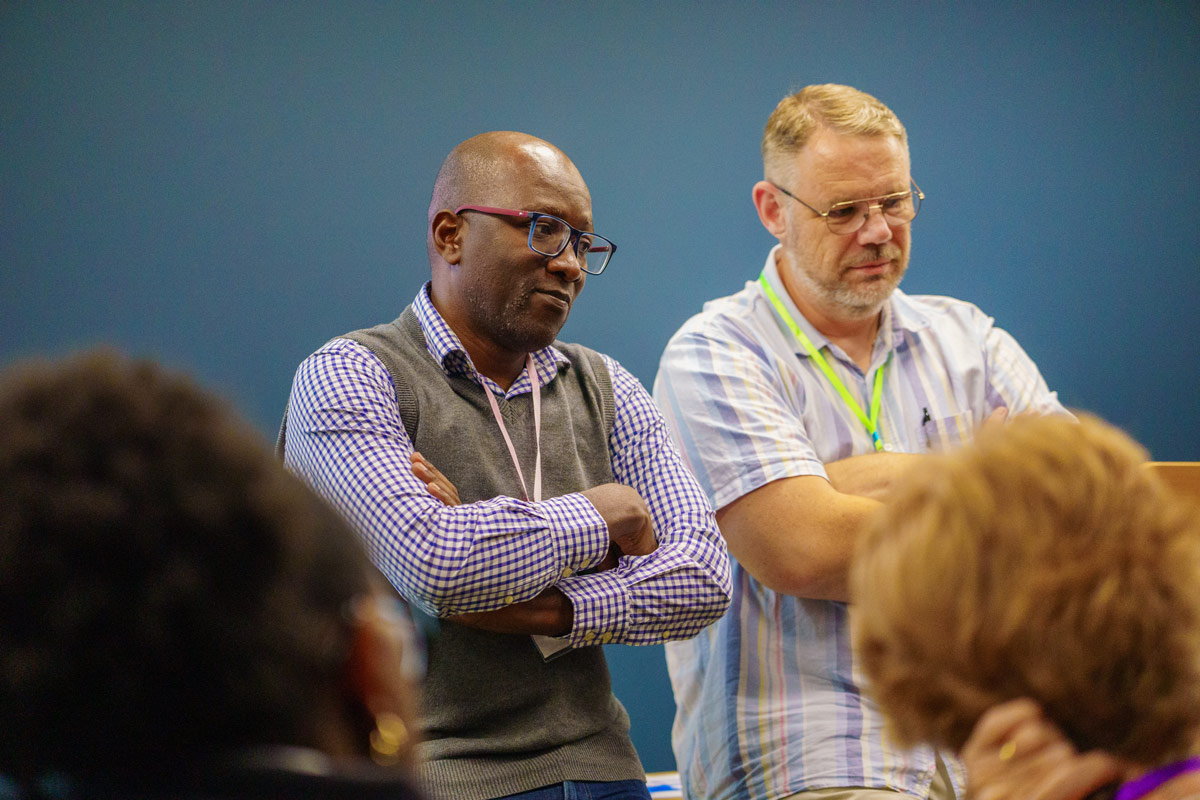
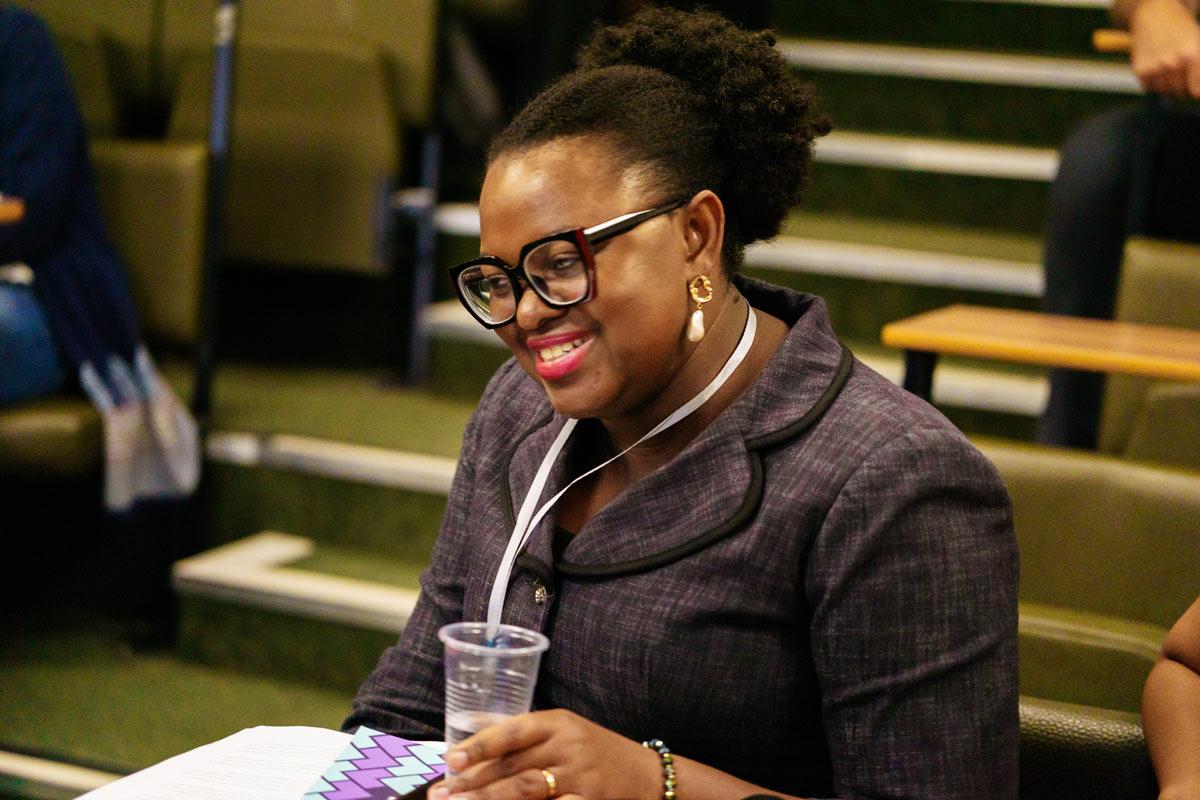
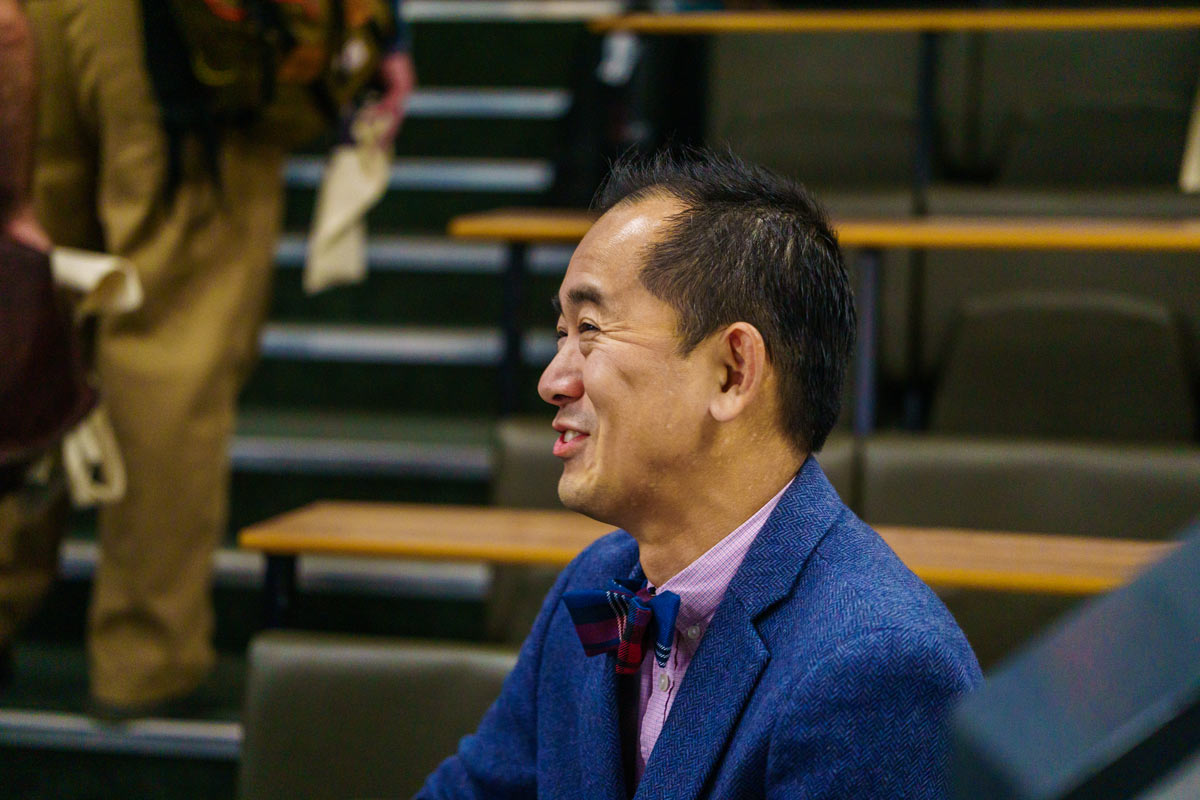
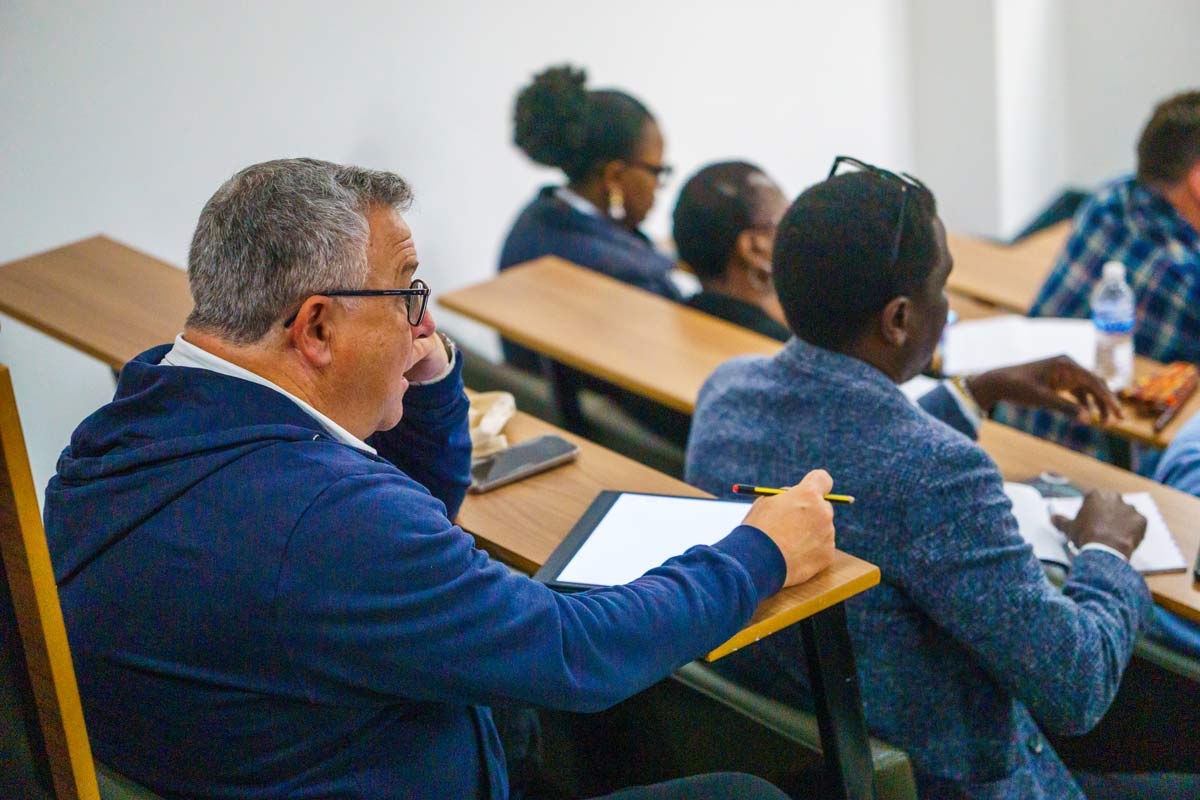
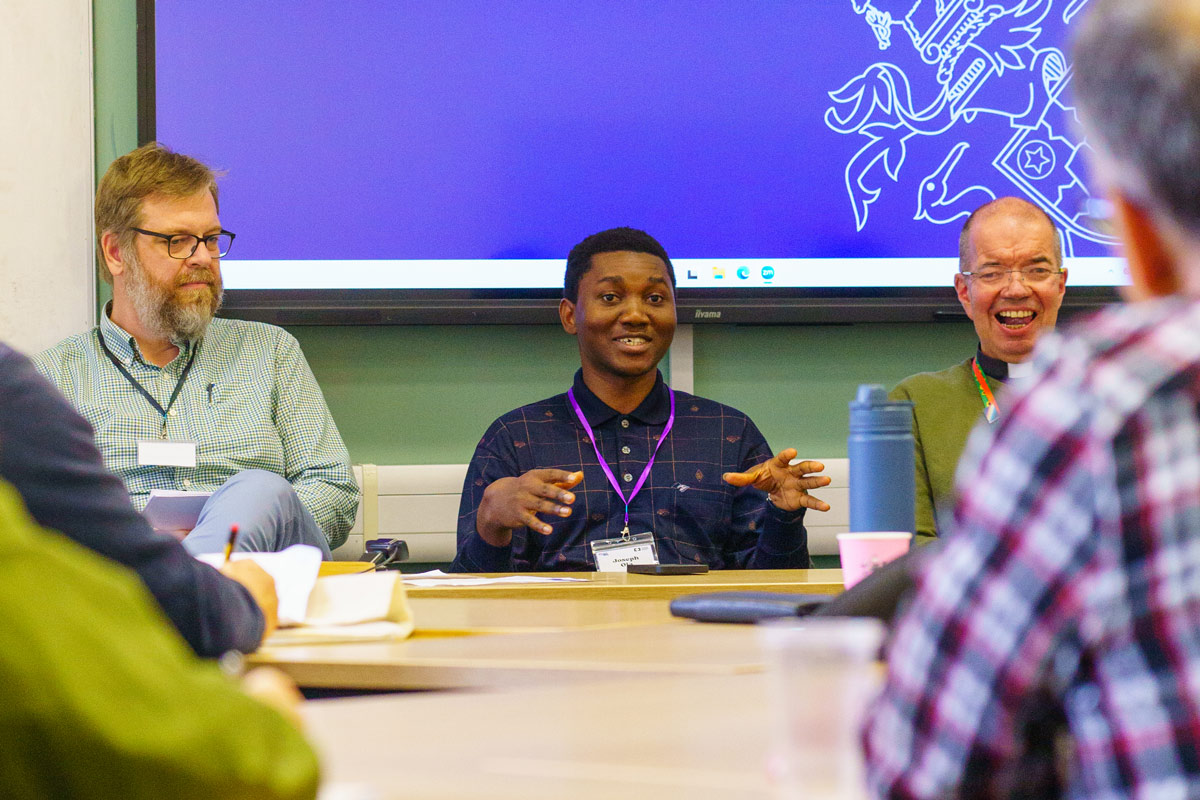
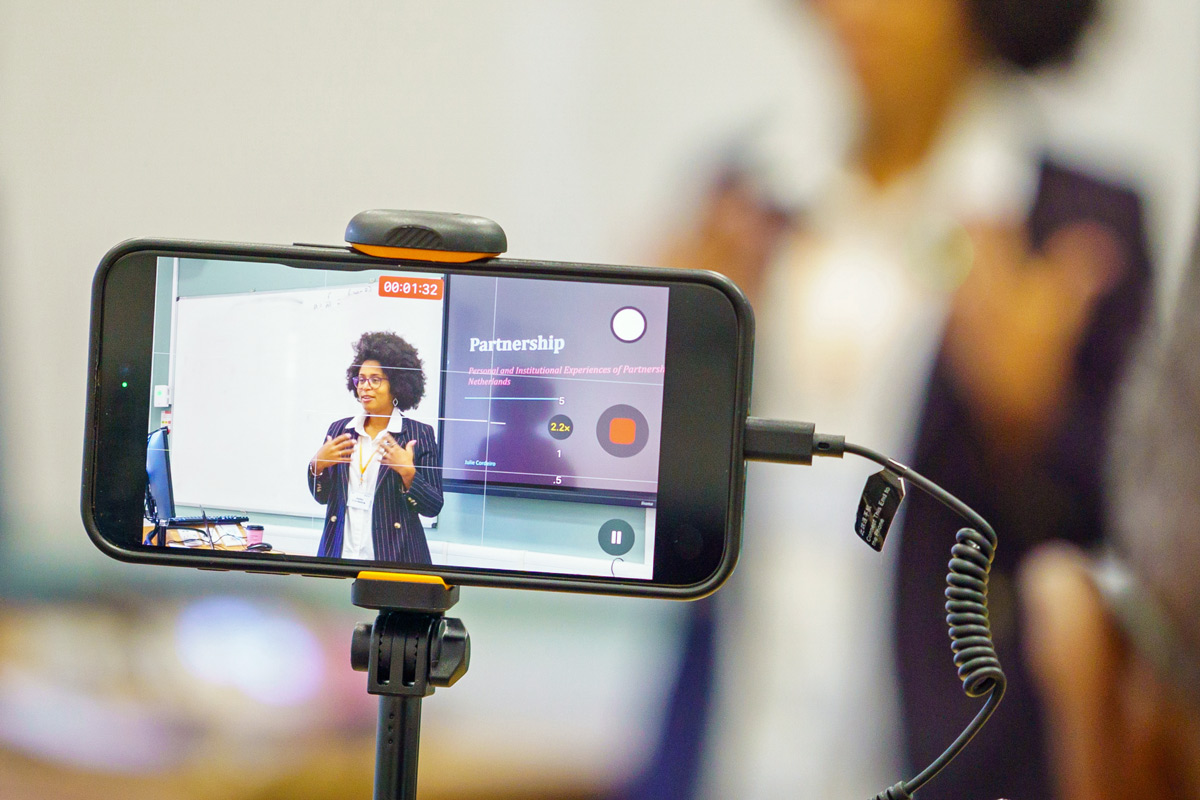
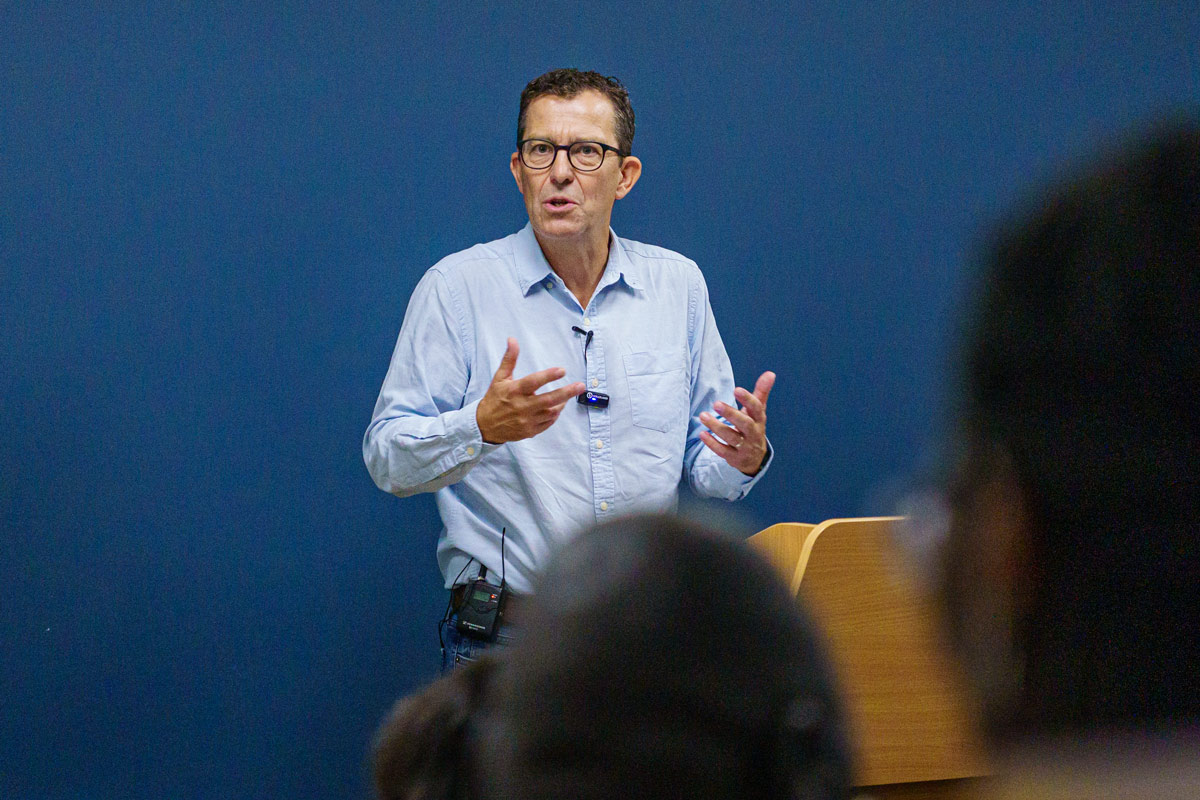



























Conference attendees had the pleasure of hearing from four excellent key speakers which helped anchored the conference theme.
On the first day, Dr Alexander Chow (University of Edinburgh) opened by challenging the language we default to – host versus guest, welcome, hospitality – arguing that these terms often replicate power imbalances and imply temporariness rather than equality. He called instead for Christians to reclaim a biblical vision of dwelling together as one Church, one body.
Dr Sheila Akomiah-Conteh (Evangelical Alliance) built on this, describing the growing diversity of Christianity in Scotland alongside a paradox: multicultural presence without intercultural relationship. She named four tensions that stand in the way of mutuality – recognition, participation, partnership and power, and solidarity.
The concluding session was an interactive session with facilitators from the International Slavery Museum. They led attendees through a sobering and insightful examination of the transatlantic slave trade’s direct role in shaping modern Liverpool – a necessary and challenging historical grounding to the theological discussion.
That evening, we were welcomed at Cottenham Pentecost Baptist Church, where Pastor Ola shared the beautiful story of his church – the previous church that had met in the building had dwindled to just five members, but the open-heartedness of those final few led to an invitation to a growing African diasporic church who needed a place to worship. The two communities came together and now, the church is flourishing with a regular attendance of over 200 people.
At this event, we also heard from Rt Rev Ruth Worsley, Interim Bishop of Liverpool, who gave a powerful message on risk-taking, humility, and reconciliation, drawn from her work with a pupil chaplaincy programme and the Tsedaqah missional community in Liverpool who live together for a year doing social justice work across the city.
On the second day, Adam Martin (Intercultural Churches) drew the threads together, using Paul’s image of the body of Christ to describe his experience building intercultural churches – reminding us that it’s at the joints of the body where friction, and learning, happen.
The importance of fellowship
When the Acts 11 team began planning this conference, fellowship and partnership were front of mind. We were mindful that migration is shifting long-established centres of economic, cultural, political, and religious influence, making relationships between historic denominations and diaspora or migrant churches more significant than ever – yet those relationships remain far from equal.
Fellowship among believers and with the wider body of Christ is central to what it means to follow Christ. In John 17:21–23, Jesus prays that his disciples be “brought to complete unity” – not simply because unity is admirable, but because it is how the world will know they were sent by God (v23). If mission means to send, then unity and mutuality are not secondary to mission work; but foundational. Unity among believers must be one of the defining traits of mission.
Disunity does a disservice to the reconciling work God began in sending his Son and continues through his Spirit who empowers his people.
Certainly, healthy disagreements are to be expected and should be tolerated. But resentment, power-grabbing, and self-interest erode the power of mission. In his talk, Alex Chow spoke of the pain he feels hearing migrant Christians scoff at the decline of Christianity in the West (often attributed to moral failings), since, as he reminded us, these are also our brothers and sisters in Christ. How can we preach a gospel of love and redemption while rejoicing at other Christians’ struggles? How can we be Christ’s hands and feet if our hands stay closed to churches in need, or our feet refuse to go beyond what is familiar and safe?
These questions led me to two ideas I shared in my closing keynote.
Discomfort and grace
Two themes kept surfacing for me across the two days: discomfort, and grace. They go hand in hand.
Discomfort showed up in different forms. Alex described his discomfort at hearing some diasporic churches frame Christianity’s UK decline as a competition, while Sheila spoke of her own discomfort on learning that an African church leader had been excluded, for years, from a city-wide prayer meeting.
Genuine partnership tends to surface this kind of discomfort – we feel it when we haven’t done well, and we feel it simply from being close enough to rub against each other, like aching joints, to use Adam’s metaphor. Cross-cultural encounter can bring hurt or offence even when everyone means well, and it is important to name this discomfort and acknowledge its existence.
That brings me to grace. In efforts to come together, there is plenty of room for mistakes and misunderstandings. I keep returning to Dietrich Bonhoeffer’s distinction between cheap grace and costly grace in his book The Cost of Discipleship. Bonhoeffer warns against cheap grace:
Cheap grace is the preaching of forgiveness without requiring repentance, baptism without church discipline, Communion without confession, absolution without personal confession. Cheap grace is grace without discipleship, grace without the cross, grace without Jesus Christ, living and incarnate.
Bonhoeffer accuses the Church of occasionally leaning into cheap grace, assuming that just because we are saved by grace, we are absolved of doing any difficult work. Bonhoeffer contrasts this with costly grace:
Such grace is costly because it calls us to follow, and it is grace because it calls us to follow Jesus Christ. It is costly because it costs a man his life, and it is grace because it gives a man the only true life. It is costly because it condemns sin, and grace because it justifies the sinner. Above all, it is costly because it cost God the life of his Son: “ye were bought at a price,” and what has cost God much cannot be cheap for us.
There is a cost to partnership. A cost to mutuality. A cost to living and working well together. For some of us, that cost might be as simple as sharing our table and making space for others. For others, it might mean giving up a hard-won pulpit, or a cherished understanding of what partnership should look like – especially when a partner arrives with a different vision or plan. For those more institutionally embedded, it might mean giving up resources, or even reparations to right unequal power dynamics.
And by grace, I mean there is a need for forgiveness, for understanding, for letting go of the things that have annoyed us or frustrated us, all in the spirit of assuming the best of each other. It is easy to talk about grace; it is harder, and all the more critical, that we practice it in moments of discomfort. Grace means allowing the other person to make mistakes, to be themselves, all in the knowledge that we too will also be allowed to make mistakes, to fall short, and to be ourselves.
Genuine partnership requires all parties to approach this holy task with grace and mercy and benevolence.
Questions to sit with
I want to end with some questions to ask yourselves, or your organisations and churches. In the spirit of what I have just said, I trust and hope that it will make you uncomfortable.
- Why are we still having these conversations about the need for partnership, again and again? Why, after decades of discussion, do partnership and mutuality remain unresolved? What needs to change?
- Are we at risk of being too self-congratulatory for thinking about these issues while failing to implement concrete steps to make our discussions into reality?
- What can I give up? What price am I willing to pay?
- What do I need to confess – to God, to others, to myself?
- Who do I need to forgive? What grudges or prejudices am I still holding onto?
I ask these of myself as much as of you. On the long road toward genuine partnership, may we make room for the discomfort that will come – and meet it with the grace we have first received, so that it might abound in every good work (2 Corinthians 9:8).

