Anvil journal of theology and mission
How movements happen: Parish Collective and Pioneering Parishes
Tim Soerens and Tina Hodgett in conversation
Tina and Tim ponder their experience of the key drivers and dynamics of movements. Clue: it’s a lot to do with the Holy Spirit.
About the conversationalists
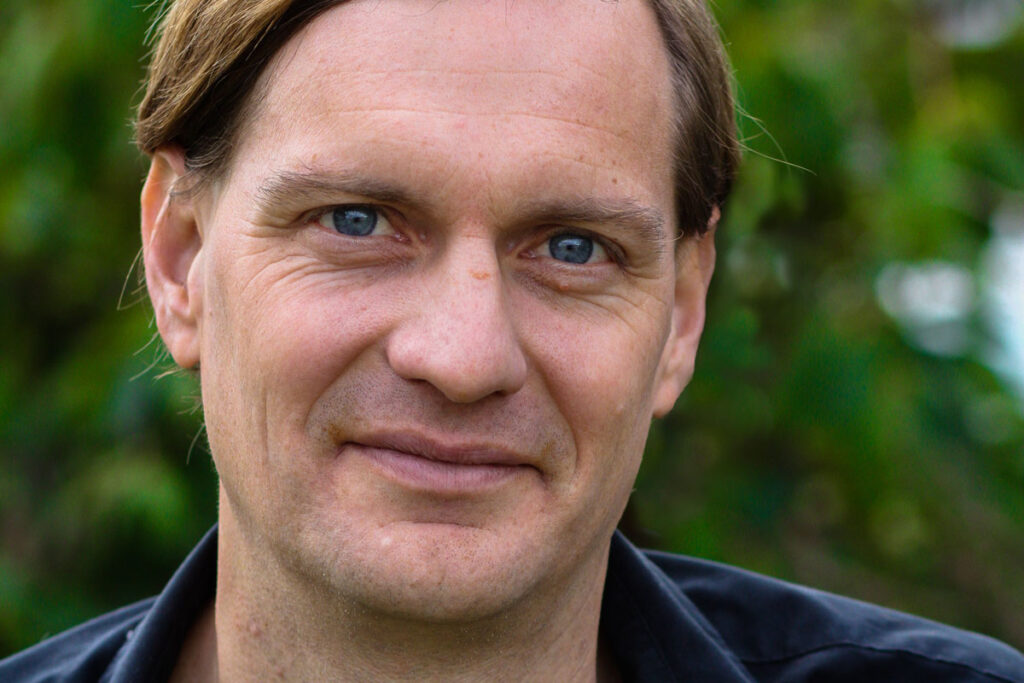
Tim Soerens is the co-founding executive director of the Parish Collective and an author based in Chicago.
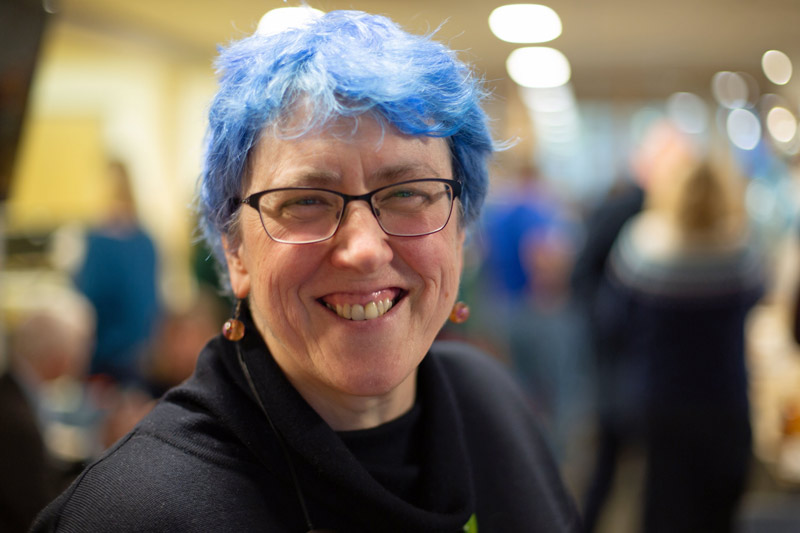
Tina Hodgett is co-creator of Pioneering Parishes with Greg Bakker. She works at Church Mission Society, training lay pioneers and clergy in the tools, practices, skills and postures of contextual mission and a mixed ecology of church.
More from this issue
Transcript
Tina Hodgett [00:00:03] So, hi, Tim, I hear it’s snowing in March in Chicago.
Tim Soerens [00:00:08] It’s snowy in March, in Chicago, yes.
Tina Hodgett [00:00:13] And you look warm and sunny in March.
Tim Soerens [00:00:16] Well, thank you. Yes, I’ve got I’ve got good sun lights around here.
Tina Hodgett [00:00:21] It’s good to see you. We’re here to talk a bit about movement and how you make them. So you’re CEO of the Parish Collective, is that correct?
Tim Soerens [00:00:36] Yeah, executive director, same thing.
Tina Hodgett [00:00:38] Tell us about the Parish Collective.
Tim Soerens [00:00:42] The Parish Collective is a network based in the United States of congregations and small groups, missional communities, sometimes new monastic communities across a whole bunch of Christian denominations who all have one thing in common, which is that they are seeking to be the church in the neighbourhood. And that’s somewhat contrast with the major emphasis of getting people to go to church or getting people to count rally around the Sunday event. And so it’s essentially it’s a network. It’s a learning network and a national community of practice. And we’re trying to tell stories of how this is possible all across the country and with friends like you around the world. And we host convenings and learning communities. And we also have conferences and work with all kinds of denominations, but essentially we exist to connect people to be the church in the neighbourhood, and our long-shot dream is that we could help be a part of what we feel like God is doing to reimagine and reorganise the church around relationships that are pursuing shalom in their places.
Tina Hodgett [00:01:59] Yeah, and I got a bit of a flavour of that two, three years ago when I came to the Inhabit conference and met you all, which was really exciting and inspiring. And how long have you been going and what’s it been like trying to create an idea and make it a movement, take an idea and make a movement of people.
Tim Soerens [00:02:25] We don’t have an official start date, but we’re somewhere in the ballpark of 13, 14, 15 years old as an organisation. So more than 10 years for sure. We’ve been at this for a while. Yeah. And here’s how – I’m curious. I’m gonna put this back to you soon – but here’s how I think about movement making. I primarily don’t think that you make movements. I think that connect them. I think you listen closely and try and discern some, like, common desire, maybe some common language, yearning, which typically happens on the edges of institutions or places. And a lot of times, those people with a common desire or longing, I think like inspired very much from the Holy Spirit, can inherently feel a little bit out of place, or they can feel. Like they don’t know what they’re doing, or by nature of not going with the historic status quo, kind of the default system, it’s disorienting. And so when you meet other people like you, or even other congregations who seem to have a similar longing, it just, it is magical. So that connection, I think is at the heart and soul of what we’re trying to do, but I actually think that’s how all movements actually grow, is from the right connection with the right people at the right time. I would love for you to reply in the same way. Lots of people probably know about Pioneering Parishes and I’m a huge fan. But just in case people don’t or need a refresher, could you tell us a little bit about Pioneering Parishes? And then same question to you. How do you think about movement making or how movements could possibly be made?
Tina Hodgett [00:04:15] Yeah, so Pioneering Parishes feels like a kind of cousin to the parish in the neighbourhood. Our concern is that the parish isn’t defined by the people who show up on Sunday, but that we express God’s longing to be the church that expresses a desire to reach, connect with people who are unconnected across the whole parish. And to shift the, to unlock capacity in the parish church, to shift energy outwards towards the people who aren’t yet connected, and to join in with partnerships with people in the local area, because we’re a values-based organisation, and once we’ve established our values, very often those values can be shared by partners in our neighbourhood, and then we can agree together how we can serve the neighbourhood together and then work in partnership with that. So, it’s a lot of things, one of which is unlocking potential and capacity in congregations through having open and honest conversations, doing congregational discipleship, encouraging people to do congregational missional listening, work out what God’s calling us into and find the surprising God resources to move out into that. So we’re still finding the language for explaining what it is that we’re doing, I think. And I came into it from being primarily a pioneer in the Church of England, called into the Church Of England to join in with that movement of God’s Spirit, that deep movement of God’s Spirit. And as time went on with me having roles to set up pioneers in parish spaces and finding that they often didn’t flourish as well as they could have done because the parish wasn’t folding itself around what they were doing or wasn’t able to see what God was calling them to do, what the relationship was, a lot of parishes thought that the pioneers were there to create people to come to church on Sunday, which was never the intention – it was for them to create contextual forms of church for people who probably would never show up on a Sunday morning. So trying to create more of a symbiotic relationship between the mother church and the new baby churches. And that was when I met my colleague, Greg Baker, who’d been working on the parish end of this paradigm for a while. And when we got together, I thought, yeah, this is a good combination of the two of us to kind of work from a parish based and more pioneering outward perspective and see if we can create an ecosystem where everybody has a gift to give the other to help all the churches, the time honoured and the new ones to thrive and flourish together.
Tim Soerens [00:07:33] Beautiful. Okay, so then, I mean, I hear some movement language in that, but how do you think about movements and movement making and even like movement architecture or how, what, if you want to help create or connect a movement, what are the building blocks for how you’re thinking about your work?
Tina Hodgett [00:07:54] Well, I think some of it’s kind of standard, you know, we need a brand, we’ve got a really great digital comms officer, we needed to do the occasional dance on Instagram, which I love and Greg hates. But for me, the really deep thing is that often it feels as though the Spirit has already done the heart work in hearts and minds and created the desire. So we worked, we try and work in partnership with dioceses and early on we met, we had an advocate, so I think advocates are really vital, not very high in a diocesan organisational structure but she banged on the door and kept insisting that some of her colleagues listened to Greg and I talk about our work. And then they listened carefully, asked great questions. And then one lady who had been agnostic about anything to do with pioneering suddenly had this epiphany moment. And she went, I’ve been looking for a tool like this the whole time I’ve being the director of ministry in this diocese. This is exactly what I need. And then she opened all kinds of doors for us to show our wares, really. We did some training and she and all the people in that diocese have just unlocked so many doors for us including: we’ve just done some training with a partner with a next-door diocese to this one which went well because we’ve been learning and getting things wrong and readjusting and finding more language to explain what we’re about. So some of it’s just about allowing – the movement making is actually happening in us as we work out what is the gift we’re holding and where it’s best applied and how to talk about it. So we’re championed as well by Jonny Baker who’s my line manager at the Church Mission Society. He’s a great champion and so we’ve got champions in the pioneering CMS mission world and champions in the diocesan world. And then people come and are in the training session and often they’re people who know that what we’re offering is what they need. There’s just that sudden sense of oh these are the tools we need and if they could have stopped for a minute and thought about it, that’s what they would have said they wanted. I really love, in Winnie the Pooh, there’s a picture at the very first page of the book, where Christopher Robin’s coming down the stairs with Winnie the Pooh held by the leg, and Winnie is banging his head on every step. And he says, if only I could stop for a minute, I’m sure there’s a better way of doing this.
Tim Soerens [00:11:05] Hahahahahahahahahaha.
Tina Hodgett [00:11:08] And it feels as if the church is like moving so fast and it’s been doing things the same way for such a long time it’s like if only we could stop from it there must be a better way and I think – so we had a young priest the other day say, finish our training and go: these are the tools I need to go and do my thing. And it’s not like we’ve had original ideas, it’s almost as though the Holy Spirit has been preparing the way for the day when church leaders, through my colleague Greg working this stuff out over about 30 years and refining it more recently, it’s almost like it’s ready. It’s a ready package for us to bring it to the world and then for people to go, ah yeah, this is the thing I’ve been waiting for and the Holy Spirit’s going, well here you are, have it in your hand, but we’re still trying to articulate it. So it’s like receiving, receiving something, I think, for me. And then working out what it is, and then, working out how to use it.
Tim Soerens [00:12:12] I love that! A couple things that I’m hearing that are somewhat in common. One is that desire is the kind of raw material that we get to work with. And would you say that’s true?
Tina Hodgett [00:12:28] Yeah, always.
Tim Soerens [00:12:30] Right? That’s like, that’s the only thing that we have if we’re not going to try and, you know, do kind of power over or create a technique or just be in constant sales mode, that it always requires a posture of listening for the gift and the desire of others. And then I just really, and I firmly believe this too about what’s happening here: either the Holy Spirit is doing this work and then we pay attention to it and try and join or not. It’s kind of that simple at some level. It’s incredibly complex for how we go about that.
Tina Hodgett [00:13:05] Yeah.
Tim Soerens [00:13:06] If the Holy Spirit is not cultivating the work ahead of us, then it’s backbreaking work. It feels like, to the Winnie the Pooh metaphor, you know, we might even accidentally keep bringing Pooh down the stairs without meaning to.
Tina Hodgett [00:13:26] Yeah. And I don’t think I’d ever quite realised it until I said it then, that it’s been prepared way, way in advance. And it’s so much through people that God has visited and said, you’re going to be the person that spearheads this. You’re not… You’re the one I’m calling. And you see that pattern through the Scriptures, you know, God showing up with individuals often on the edges, and going – and often surprising – and God is going, you’re going to be the one that leads on this. And then you need the first follower. You need the people who can see God at work or see the genius in that person and go, well, I’m gonna, I can see this too, and I’m going to support you through it, which is probably in this particular situation, me, going: this stuff that Greg’s got, the church needs this. And, um… And we need to find ways to share it more widely and gather people round it.
Tim Soerens [00:14:32] Have you ever seen that short TED Talk that’s called How to Start a Movement, with the person at a music festival who’s dancing and then people start joining? That came to mind as you were talking because maybe that was Greg’s role was to kind of be the first person dancing for maybe a long time. It takes a lot of courage to dance by yourself but as the speaker in that TED Talk says, that’s not a movement, it’s you paying attention and having the courage to dance along and then others and then others. It’s a beautiful metaphor.
Tina Hodgett [00:15:13] Yeah. And that first person’s the first follower, and I think I’ve always wanted to be the mad person dancing, but actually, we’ve got to have the humility, haven’t we, to – and discernment – to join in with the person that’s the mad dancer and not see them as the mad dancer and think, how can we amplify this? And yeah, I think that whole role of the person who can join in and know all the people who can amplify because we wouldn’t be anywhere without a whole string of people who’ve opened doors for us in places we didn’t have access. So we have used our personal networks in the early days. I was just you know emailing everybody I knew and going: well we’ve got this thing and would you like to know a bit more about it and maybe you can contribute… Because what we found in having conversations with people was that we understood more and more, they were saying what they needed and we were going well yeah maybe we’ve got something that can help. So it was kind of like dough rising as well, that’s another metaphor.
Tim Soerens [00:16:27] I love that metaphor as well. Well, is there anything that’s on your mind right now as you, on behalf of Pioneering Parishes, are thinking about the future, as you’re thinking about the next faithful steps in trying to help cultivate a movement? Is there anything that springs to mind, a challenge, an opportunity, something you’re particularly excited about?
Tina Hodgett [00:16:50] What a lovely question. I feel I’ve been talking quite a lot. I’ll tell you there’s a book coming out. We’ve got a book coming out and I think that will be another kind of catalytic thing. You tell me a bit…
Tim Soerens [00:17:07] Does it have a title?
Tina Hodgett [00:17:08] Well, it’s called Into All The Parish: tools for… I can’t remember quite the rest, but Into All The Parish, yeah. And you’ve written books as well, have they helped your movement making?
Tim Soerens [00:17:25] Yeah, you know, we’ve talked about this in the past a little bit, but another visual that has been really animating for me and for our work is what has called the two-loops theory of change, where you have one loop that is a normal default or dominant system that tends to be in decline, and then an emergent system, and the beginning is naming and framing with language. And so I do think that writing and even conversations like this is really, really important because it is a kind of flag that we can wave to people that perhaps God has been speaking to or where there is desire and yearning, where there’s like, yes, you’re putting language to something that’s been swelling up within me -as well as all the incredible tools for folks that want to be resourced like you’re talking about. But yeah, with some friends, I wrote a book called The New Parish and – about seven or eight years ago – and then a follow-up that was more for everyday Christians called Everywhere You Look: Discovering the Church Right Where You Are. And those publications have absolutely been catalytic and framing in meeting heaps of new friends and colleagues.
Tina Hodgett [00:18:39] Yeah, so in the last minute, if people want to join in with what God’s up to in the world and the church at the moment, how can they be part of movement making or movement connecting?
Tim Soerens [00:19:05] Well, my first invitation would be to… think about their actual lives and where those actual lives get played out. So I’m a big fan, obviously, of geography, of local places and spaces. And I think a powerful question to connect with God’s movement is to simply ask out loud and even better with a couple of friends and maybe other people that are following Jesus, maybe even people from your congregation, what might be some of God’s dreams for this place? And I think that question, and I do think it’s plural, probably not singular, I think asking that over and over again and being open to what might that look like, creates a whole new path for us. And I think the more of us that are asking, you could say, that question of what God is longing for, what does God desire, in a very real place with real people and real systems and real histories and real power dynamics and real complexities… I think taking action into that, even experimentally, is the way of the future, which is incredibly complex and chaotic in many ways. But I think that’s where the movement is. And then if we can share those stories of experimentation, whether things work or not, I think we’re all going to be able to tell our friends and our kids and nieces and nephews incredible stories of how we got to join what God was up to, at least in part, in our day. Final remarks for you, Tina. What would your, your advice be to join in movements?
Tina Hodgett [00:20:48] Yeah, I think I’d just match it with one of our core questions, which is, who do we aspire to be for God and our local community? And again, it’s place-based. And it’s in the now. And it’s very powerful.
Tim Soerens [00:21:06] Yes, it is.
Tina Hodgett [00:21:07] And it’s about the being as well as the doing and uniting them.
Tim Soerens [00:21:13] Yes.
Tina Hodgett [00:21:16] So I’m feeling very moved, so I think we should finish before I have to go.
Tim Soerens [00:21:22] I think you’re right.
Tina Hodgett [00:21:23] Really lovely to chat to you. Tim Soerens [00:21:26] Same, same to you now, what an honour. Thank you so much.
