Mission ReVived
Why local leadership is the ultimate test of mission success
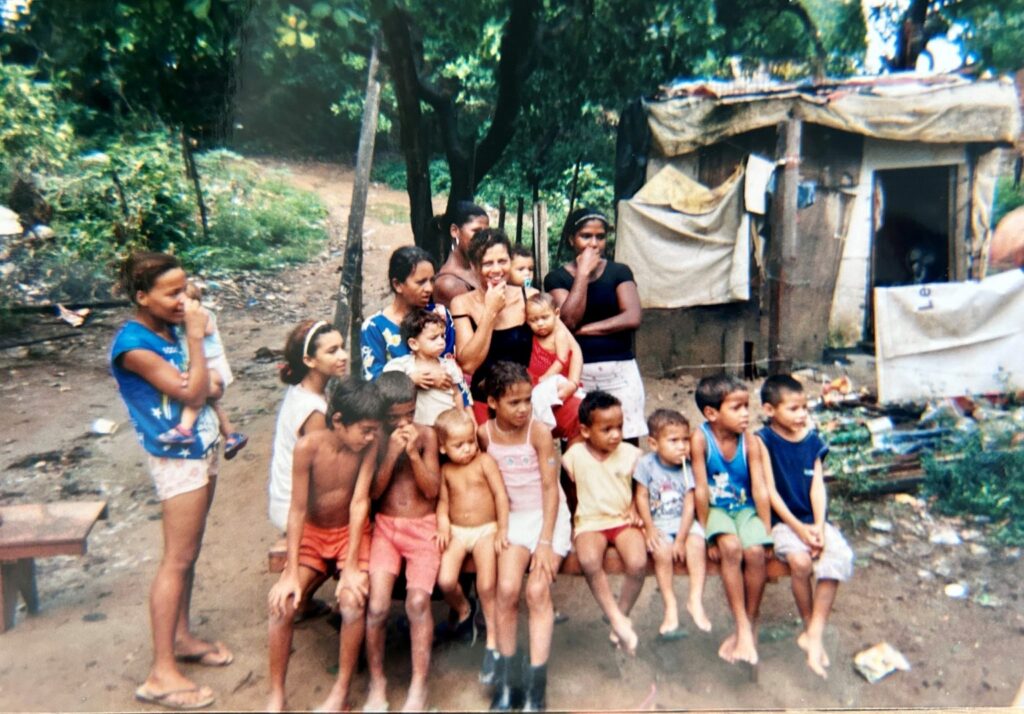
Photo: In the early days, Andy worked with a community who lived and worked around a rubbish dump
Andy Roberts reflects on the changing shape of mission from his personal experience of founding ReVive International in Brazil – and why true success meant stepping aside and letting local leadership flourish.
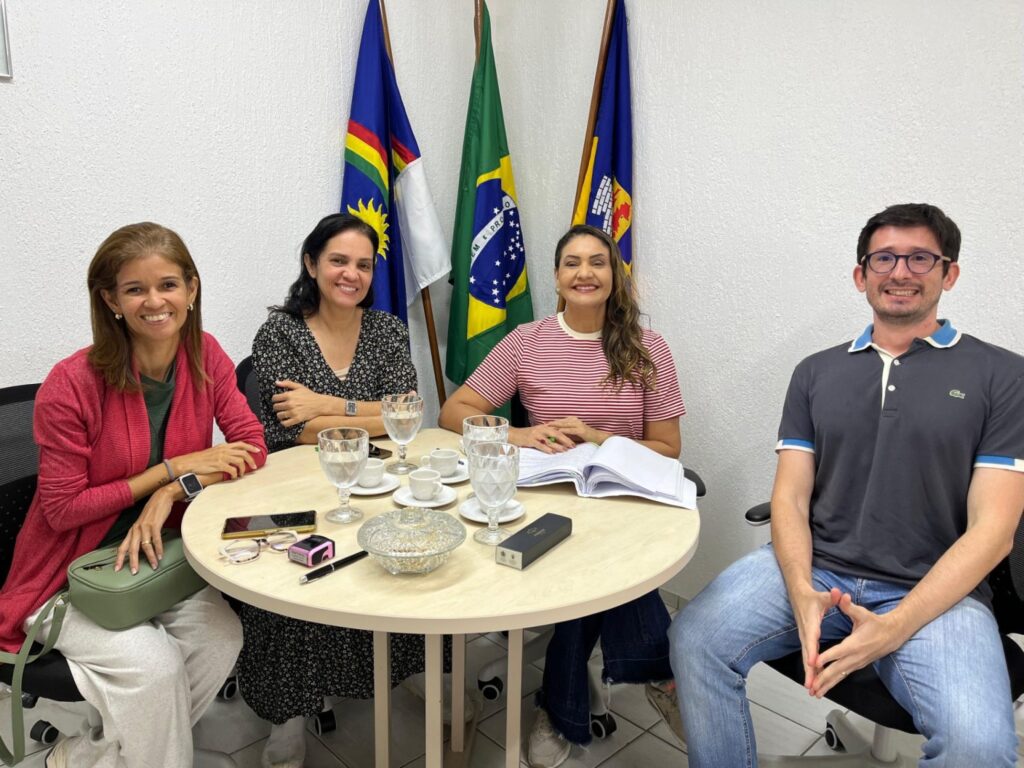
In May we had the joy of welcoming Elise to CMS House in Oxford.
Elise is the current leader of ReVive International in Brazil, the organisation Rose and I helped to start many years ago in response to the abuse and exploitation of girls in the city where we were living. Many of those girls were being harmed by the very people who should have protected them. It was heart-breaking, disturbing and impossible to ignore.
Seeing Elise here in Oxford reminded me how long the journey of mission can be. It also reminded me how much mission changes over time – if we are willing to let God disturb us, challenge our assumptions and release things into the hands of others.
Moving from “Gringo” to local leadership
I first met Elise when I went to Brazil as an 18-year-old gap year student with SAMS. I was helping with a street children’s project connected to a local church.


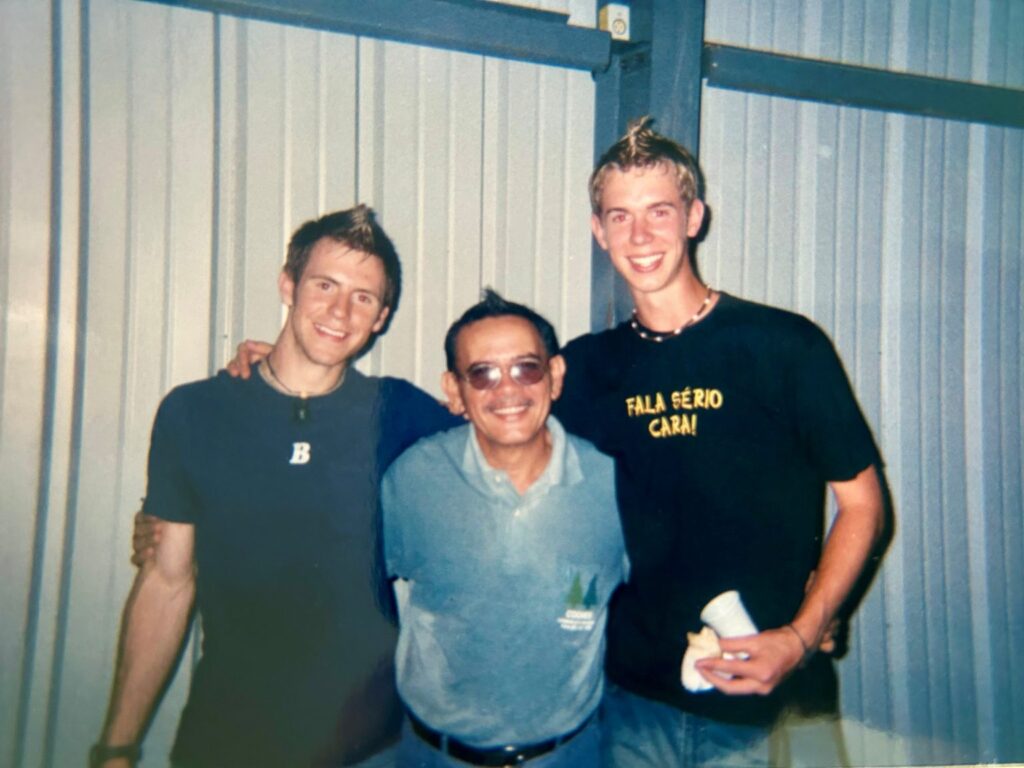

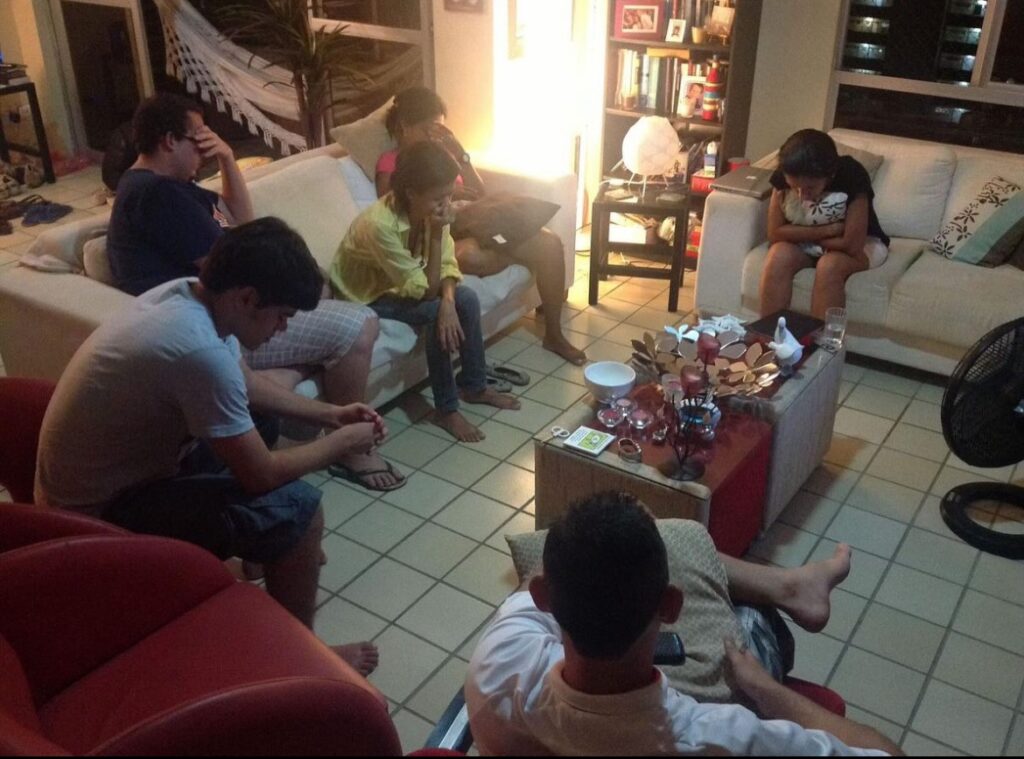
Elise was also part of the church where I met Rose. A few years later, when Rose and I were sensing a call from God to begin some kind of ministry among vulnerable girls in the city, Elise and her husband Felipe joined the prayer meetings around our dining room table as we asked God what he wanted us to do.
When ReVive became a reality, Elise became our first ever employee. Again, it began around the dining room table. I have often thought that some of the best things in life begin there: with prayer, friendship, food, uncertainty and a shared sense that God is inviting us into something we cannot yet fully see.
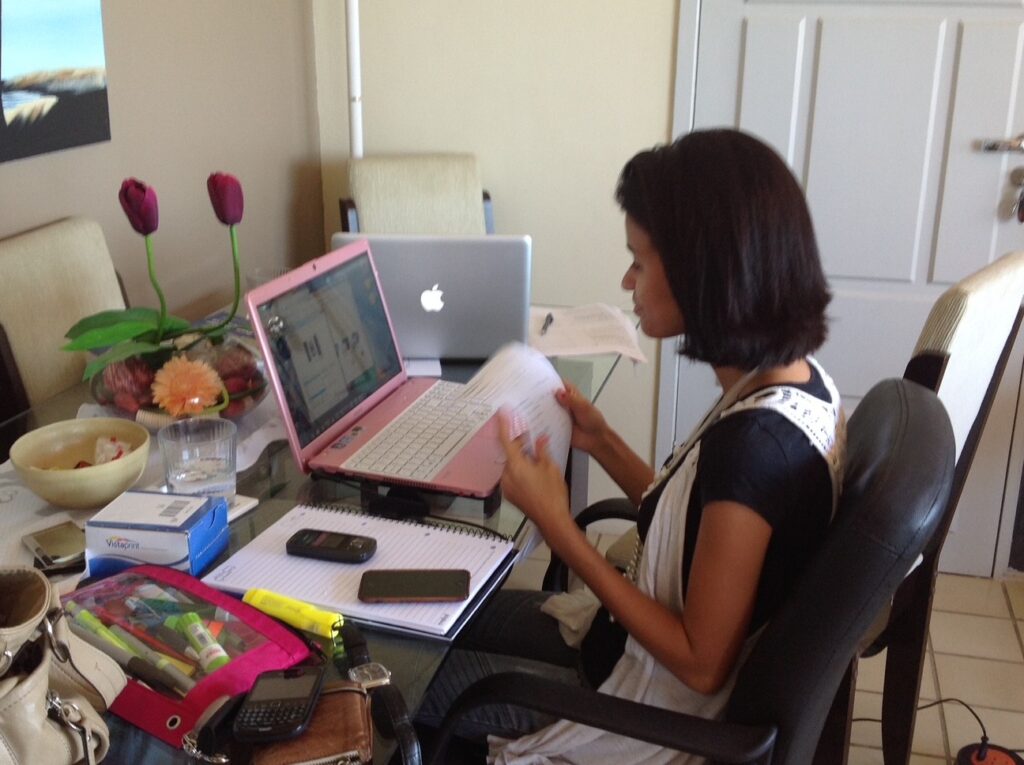
Over the years, Elise grew with ReVive. She became part of the leadership team Rose and I invested in for more than 15 years. And when the time came for Rose and I to move to the UK and follow God’s call into the next phase of life, CMS asked us a very reasonable question: would we like CMS to find another mission partner to take over from us and lead ReVive?
I remember thinking at the time: if another foreign mission partner needed to come and replace us, then perhaps we had failed in one of the most important tasks of mission leadership.
One of the goals of cross-cultural mission must surely be to build something that is not dependent on you. Something that can continue, grow and adapt as long as God wills it after you have gone.
Far too often, mission work has been built around the foreigner, the founder, the person with access to money, networks or power. And then, when that person leaves, the work collapses – because knowledge, resources and leadership were never truly shared. We can dress that up in spiritual language, but sometimes what we have built is closer to our own little kingdom than the kingdom of God.
Overcoming the internalised colonial mindset
Right from the beginning of ReVive, we wanted to invest in local leadership. We had seen this modelled badly elsewhere. We had seen founder’s syndrome rear its head. We had seen people protect power rather than release it. We did not want to do that.
So, when the time came, we told Elise and the other Brazilian leaders that we believed they were the right people to take ReVive forward.
I still remember their reaction. They burst into tears. They told us they had assumed another “gringo” (foreigner) would ome and lead. They were taken aback that we were willing to entrust the future of ReVive to them.
That moment has stayed with me. Because the colonial mindset works both ways. It is not only something held by those who come from outside. It can also become internalised by local leaders who have been taught, subtly or explicitly, that leadership must come from somewhere else.
But the gospel tells a different story. The Holy Spirit is not the possession of one culture, one passport, one institution or one sending nation. God raises up leaders from the edges, through the local church, within communities, among those who know the language, the wounds, the hopes and the possibilities far better than we ever could.
And under Elise’s leadership, ReVive has thrived.
That does not mean it has stayed the same. In fact, one of the signs of healthy mission is that it keeps changing.
Challenging assumptions about children’s care
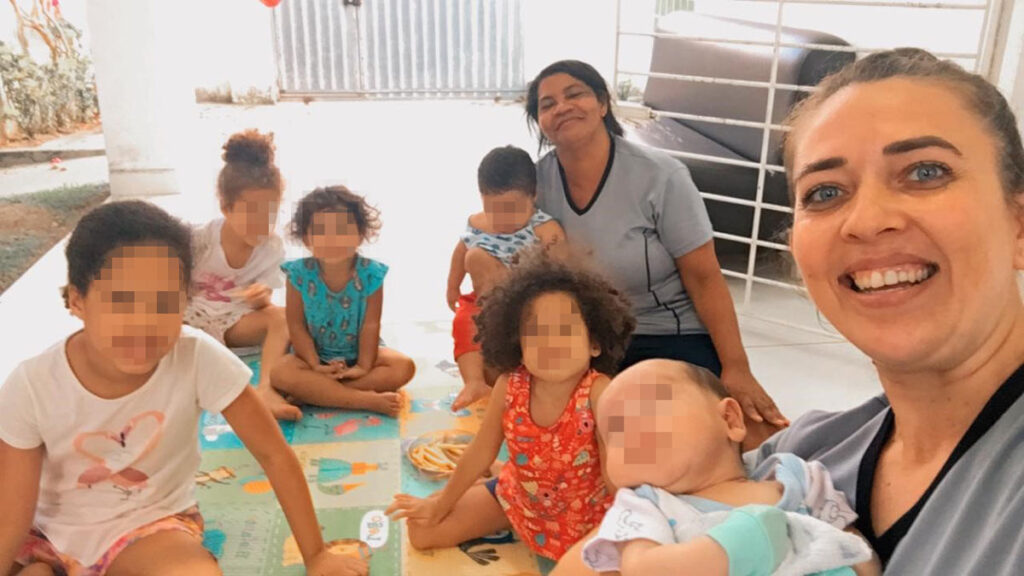
A few years ago, Jesus the Great Disturber disrupted our thinking at ReVive. For a long time, we had assumed that the answer to the needs of vulnerable girls was to open more and more residential homes. That was the model we knew. It was what we had built. It was what people supported.
But over time, God challenged that assumption. We began to see more clearly that his preferred place for children is not an institution, however loving, but a family. Psalm 68 says that God “sets the lonely in families”. That simple truth began to reshape the work and led to the closure of one of ReVive’s homes.
In recent years, ReVive’s fostering service has grown significantly, and that has been largely due to Elise’s leadership. The work has adapted because the mission required it. Faithfulness did not mean preserving the original model at all costs. Faithfulness meant listening again, learning again and allowing God to lead the work into a better future.
I was later awarded an MBE for the work we had led in Brazil – an irony not lost on me, given its attachment to empire. But it was a real privilege, and I remember receiving it on behalf of the whole team. ReVive was never just our story. It was, and is, the story of a Brazilian team, local churches, supporters, CMS, children, families, volunteers and many others responding to the disturbing, healing love of Jesus.
And that, I think, says something important about how mission is changing.
Mission today cannot be about exporting our models, controlling the agenda or assuming that leadership must come from the outside. It has to be about joining in with what God is already doing, building with others, investing in local capacity and having the humility to hand over power when the time is right.
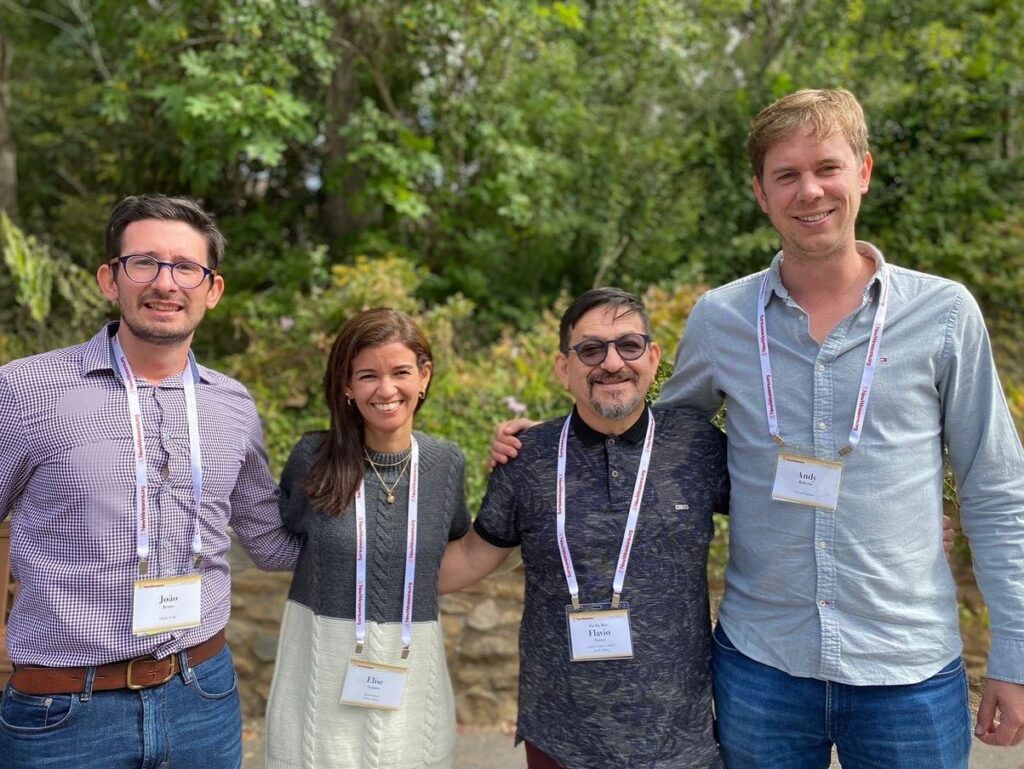
That same lesson has continued through the story of Rosie and Stu Bayford.
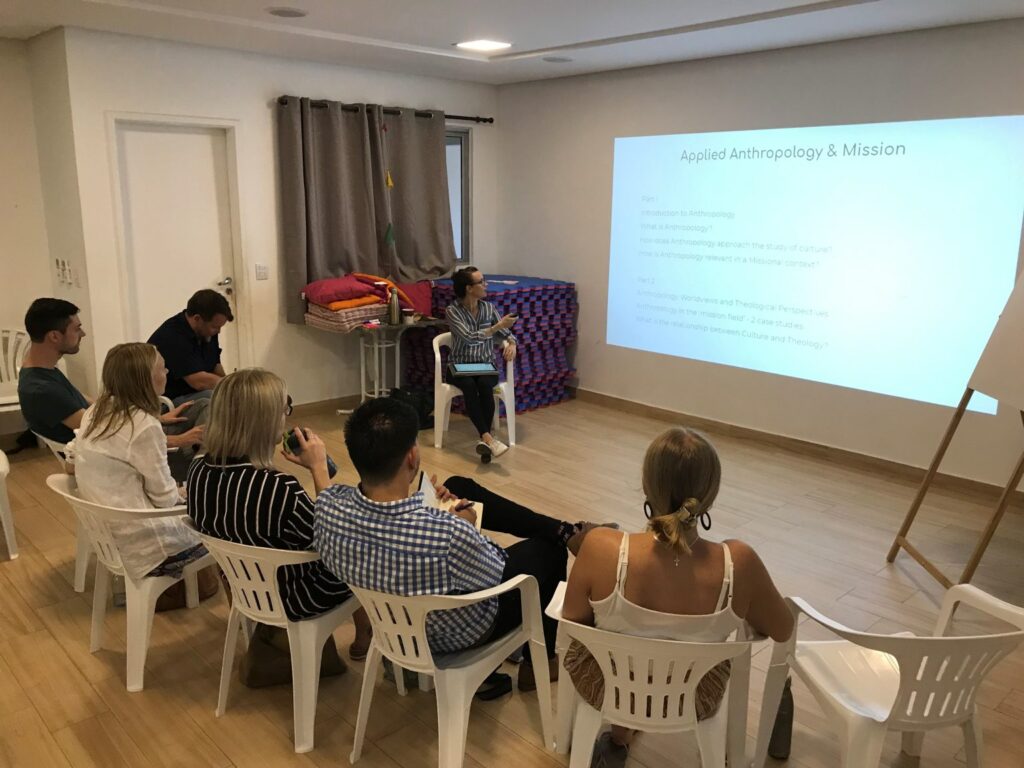
Around seven years ago, Rosie and Stu were sent by CMS to ReVive as mission partners. At that time, ReVive was receiving a number of people from CMS who felt called to similar ministries. I helped do some training in mission theology and practice.
Redefining poverty: from deficit to relationship
One of the key questions we explored was: how does our definition of poverty shape our response to it?
If we see poverty simply as a deficit – a lack of money, food, education or opportunity – then our instinct is to provide whatever we think is missing. Sometimes that is necessary. But if we are not careful, that approach can reinforce unhealthy power dynamics. We have what you need. We give it. You receive it. We remain powerful. You remain dependent.
| Definition of poverty | The resulting instinct | The ultimate impact |
| Poverty as a Deficit (A lack of money, food, or education) | Provide whatever we think is missing from the outside. | Reinforces unhealthy power dynamics. “We have, you receive, we remain powerful, you remain dependent.” |
| Poverty as a Broken Relationship (With God, others, self, and creation) | Focus on dignity, participation, community, justice, and shalom. | Asks: “What gifts are already here? What can we build together?” |
But if we understand poverty more deeply as broken relationship – with God, with others, with self and with creation – then our response begins to change. We begin to think about dignity, participation, community, justice and shalom. We ask not only, “What do people need?” but, “What gifts are already here? What relationships need restoring? What can we build together?”
Rosie and Stu took that seriously.
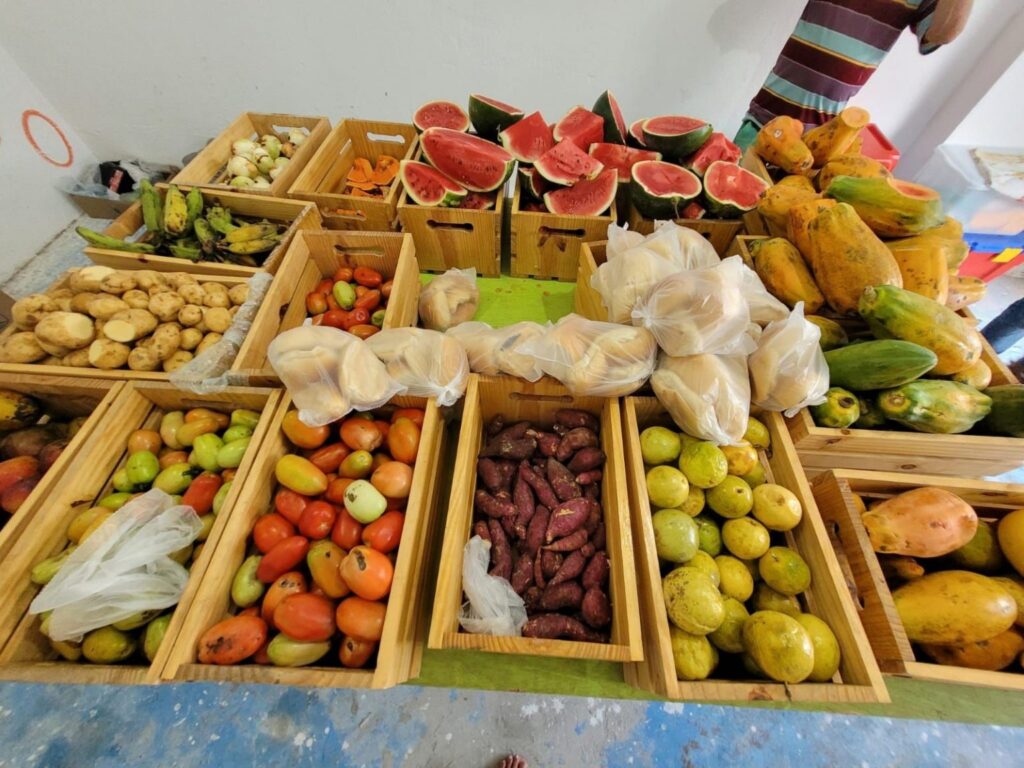
As they listened, learned and looked at the wider social issues around them in Brazil, they began to dream of pioneering a community market. But because of the training and the relationships they were part of, they did not want to create a hand-out model that stripped people of agency or dignity. They developed a model where families could buy food themselves at a much-reduced rate.
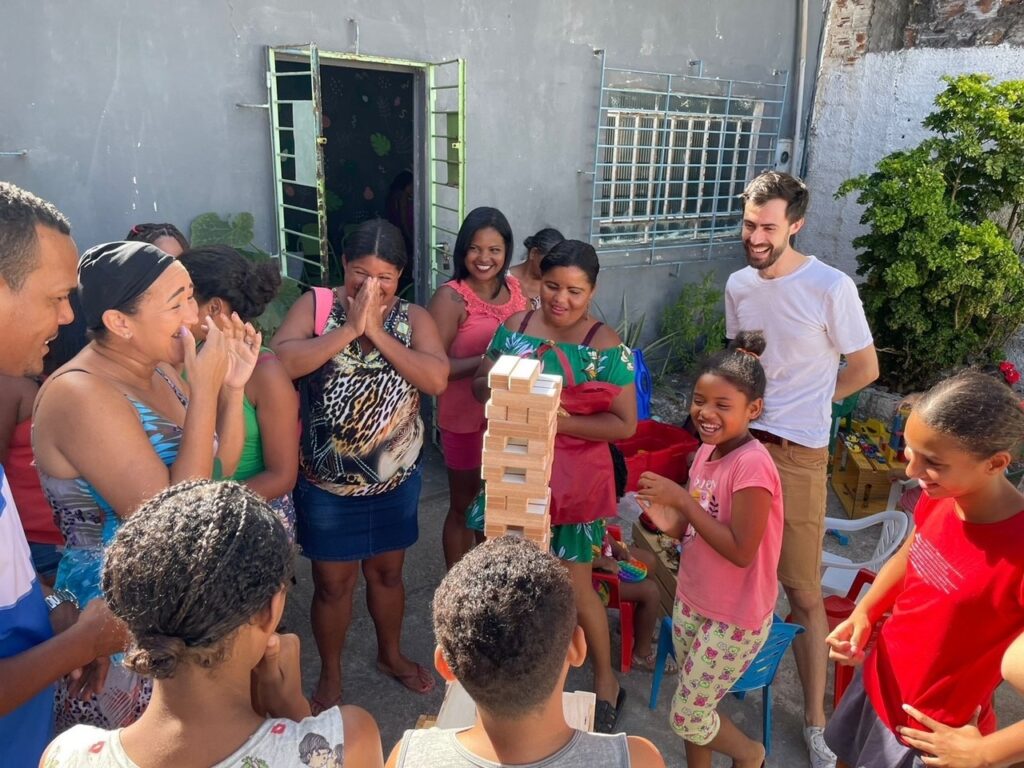
They partnered with a local church in a very poor community. They worked with local people to identify families and with supermarkets and businesses to provide the food. And, over time, the market became much more than a market. It became a community.
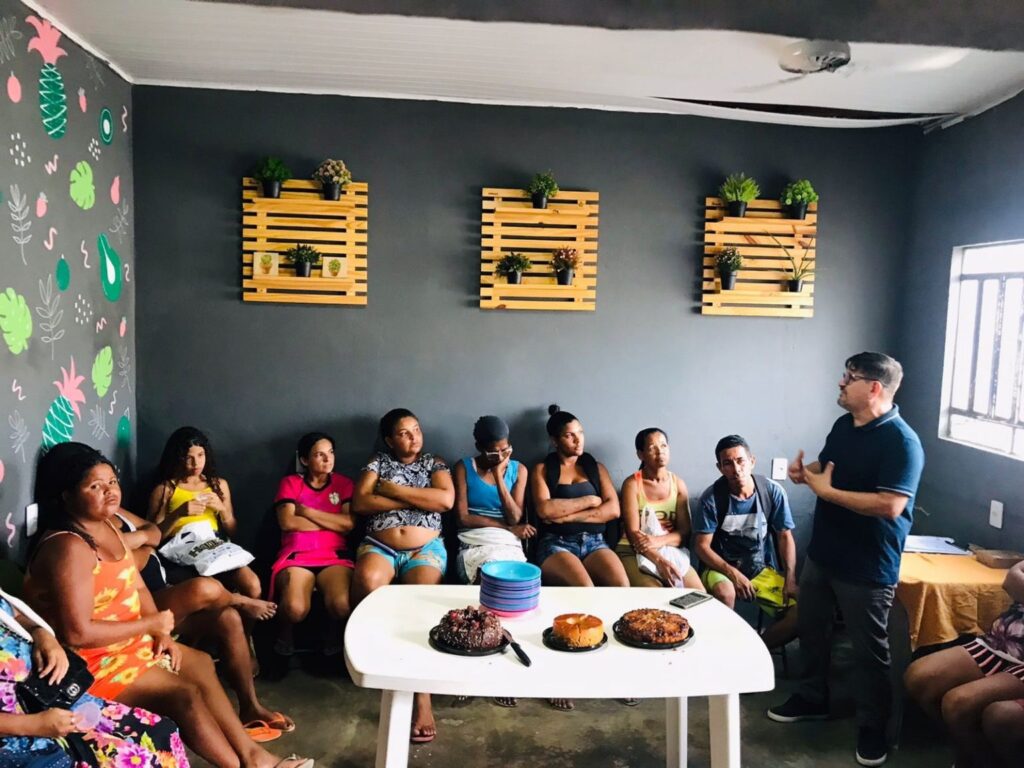
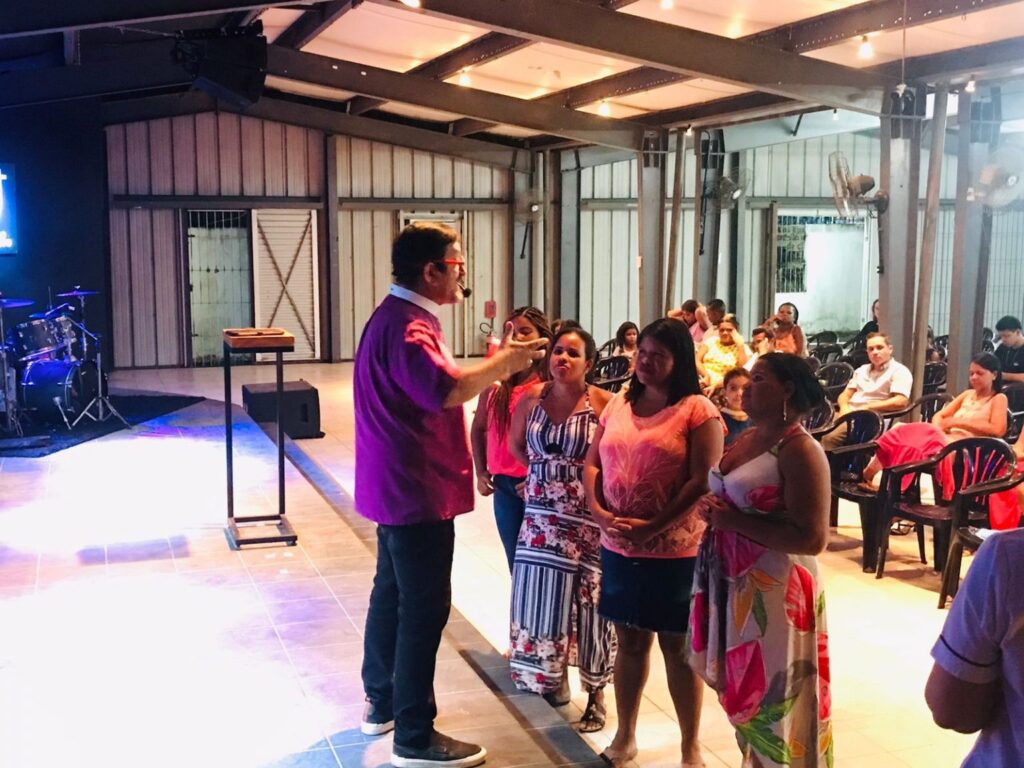
People came not only to buy food, but to stay, talk, pray, learn and belong. Volunteers from the church helped run devotionals, worship and practical sessions. Every few weeks someone would come and speak on a relevant issue: preventing abuse, parenting, nutrition, preparing for work and much more.
And people came to faith. I remember three sisters being baptised in the church after first coming along to the market.
Now, as Rosie and Stu return to the UK, they too have handed over leadership of this ministry to a team from the local church – a team they have invested in over the years.
That is mission at its best.
Not mission that creates dependency. Not mission that keeps the foreigner at the centre. Not mission that measures success by how indispensable we become.
But mission that joins in, builds up, shares power, releases leadership and leaves something stronger in the hands of those who are best placed to carry it forward.
This is deeply connected to where CMS is going.
Decolonising mission in practice
Our vision is to see our world made new through the love of God as we follow Jesus to the edges. Our purpose is to make disciples of Jesus at the edges. And increasingly, we are recognising that this means mission must be more collaborative, more locally rooted and more willing to be led by those who have too often been treated as recipients rather than agents of mission.
Through our mission strategy, and through work such as Acts 11, we are continuing to ask what it means to decolonise mission in practice. Not as a fashionable slogan, but as a deeply biblical commitment to humility, partnership and the releasing of gifts across the whole body of Christ.
Acts 11 is a fascinating chapter because the church in Jerusalem has to catch up with what God is already doing elsewhere. The Spirit moves ahead of the centre. The edges become places of revelation, surprise and new understanding. The question is whether the established church has the humility to listen, recognise and bless what God is doing beyond its own control.
That is still the challenge before us.
Of course, we are all still called into mission. This is not about stepping back into passivity. It is not about saying that cross-cultural mission no longer matters. Far from it.
But it is about a different posture.
The posture of modern mission
- Listen before speaking.
- Co-create rather than control.
- Build movements rather than monuments.
- Recognise that those closest to the pain are closest to the wisdom needed for transformation.
When I look at Elise, I see the fruit of that kind of mission.
I see someone who was there at the beginning. I see someone who prayed around a dining room table before there was a strategy, a structure or a name. I see someone who helped bring ReVive to life, then grew into the leader who could take it further than Rose and I ever could.
Mission is changing. It needs to change. But at its heart, it is still the same invitation: to follow Jesus to the edges, to join in with what the Spirit is doing, and to participate in making all things new.
And perhaps the real test of our mission is not whether people remember our names when we have gone.
Perhaps the real test is whether, by God’s grace, the work continues, local leaders flourish, communities are transformed and Jesus is made known long after we have left the room – or the dining room table.