Goma DRC: one year after invasion, church thrives
Bishop Martin Gordon describes seeing rapid church growth amid conflict
Photo: Crowds gather in Kibumba, DRC, during an evangelism campaign, with their new church building in the background
In late January 2025, M23 rebels took over the city of Goma, bringing death, destruction and hardship. But amid the suffering, the church has brought healing and is growing.
On the first anniversary of the invasion by Rwandan-backed M23 rebels into Goma, eastern Democratic Republic of Congo [DRC], Bishop Martin Gordon, the UK-born Anglican bishop of Goma, has spoken of the Christian awakening that has swept across his diocese, resulting in thousands of people putting their trust and hope in Jesus.
The invasion in late January 2025 left more than 3,000 people dead and another 700,000 displaced and also led to a spate of summary executions, a spike in sexual violence and kidnappings, and the closure of the banks, courts and airport. However, as Bishop Martin explains, God has been at work, often quietly but sometimes noisily, in and through the Church. He says, “There were parishes that we been unable to reach for three years, but this year we’ve been able to visit and encourage the people that they are not forgotten.”
He continued: “The suffering in Goma seems to have captured the attention of many in the Church globally, and we have been overwhelmed by the generosity of churches and individuals. As a result, when the situation was at its toughest, we were able to give a cash gift to each of our staff and clergy and even our teachers who hadn’t been paid for six months because of the closure of the banks. And again, at Christmas we blessed 200 families with a gift of a chicken and a sack of rice to celebrate.”
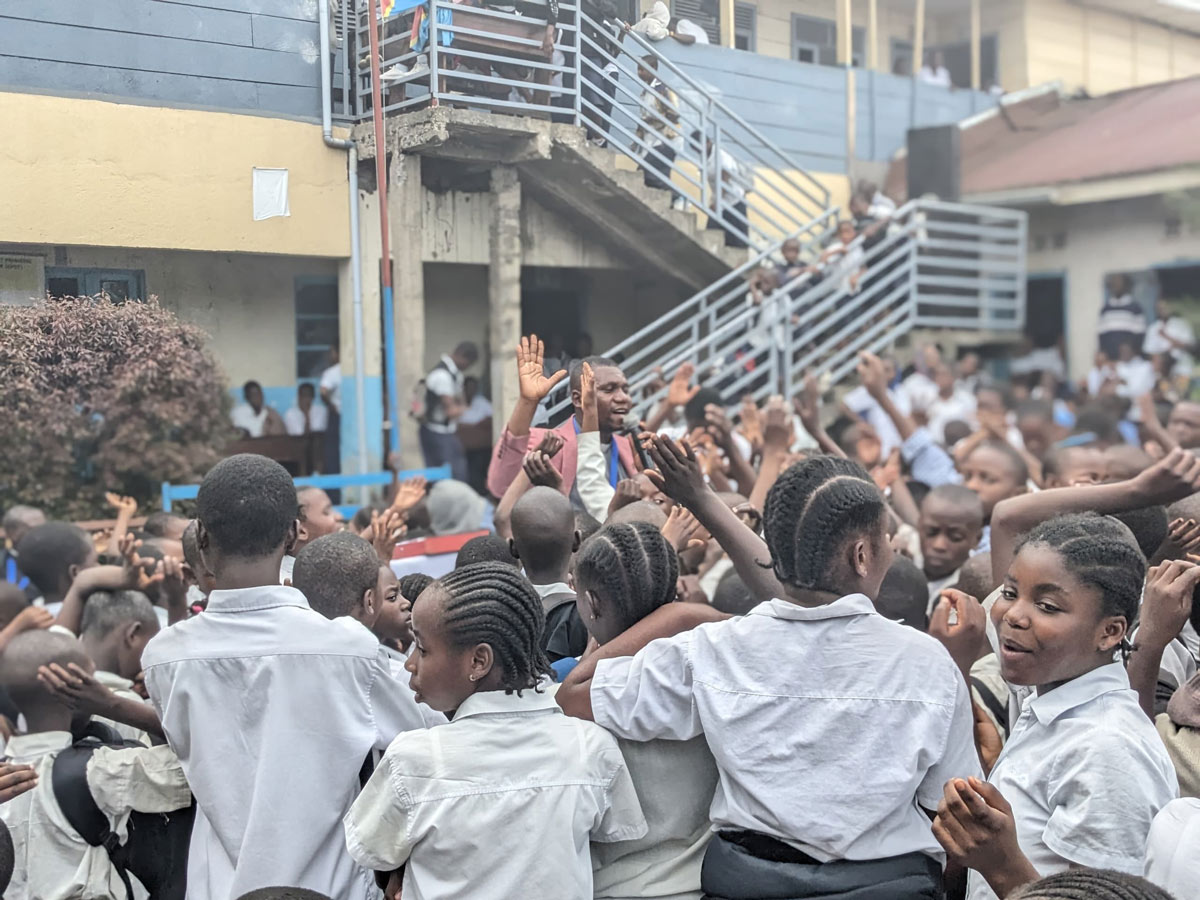
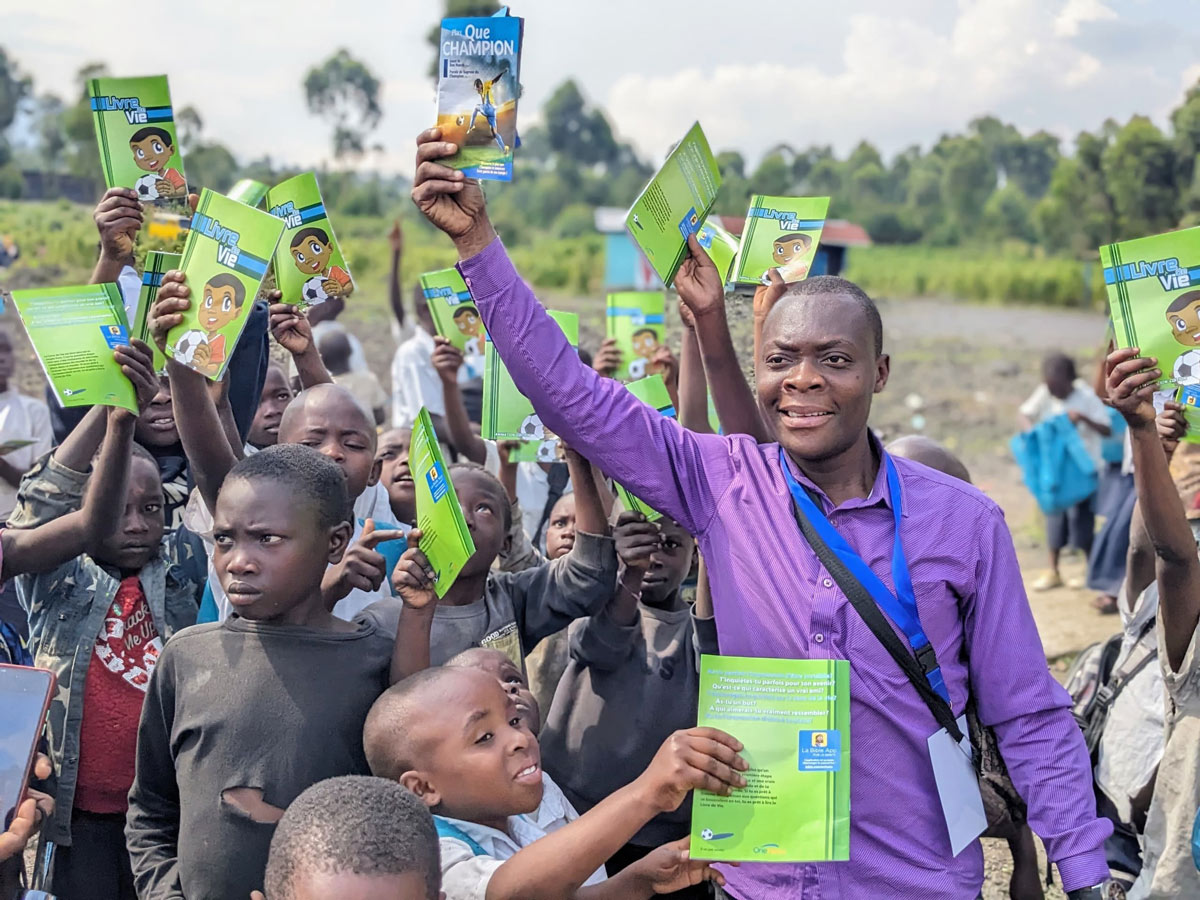
Bishop Martin went on to explain that not only were the churches a source of peace and practical succour but there was also a spiritual hunger emerging. He explained, “The Church is the one institution that is still trusted in DRC. It is at the heart of every village and community. When war came, people looked to the churches for every kind of help, as well as for hope. They were used as shelters, as distribution centres and we saw an increased attendance in many of our parishes that were not displaced. Those who didn’t usually attend started coming for prayer. Those who were more sporadic started attending more regularly.
“We’ve seen people hungrier than ever for the basic truths of the Christian faith and as I’ve been doing the rounds of the churches in the Archdeaconry of Goma, we are seeing a greater number of candidates for baptism and confirmation. And the church attendance figures show that the archdeaconry had doubled in size numerically in 2025, with 250 being confirmed in October and November. In our summer missions in secondary schools, over 6,000 children gathered to hear about Jesus and more than 1,000 put their trust in him.”
In Kibumba, a town in the territory of Nyiragongo just north of Goma, the diocese had long fostered plans to plant a church but were thwarted by the fact the town lay on the frontline between the M23 factions and government forces.
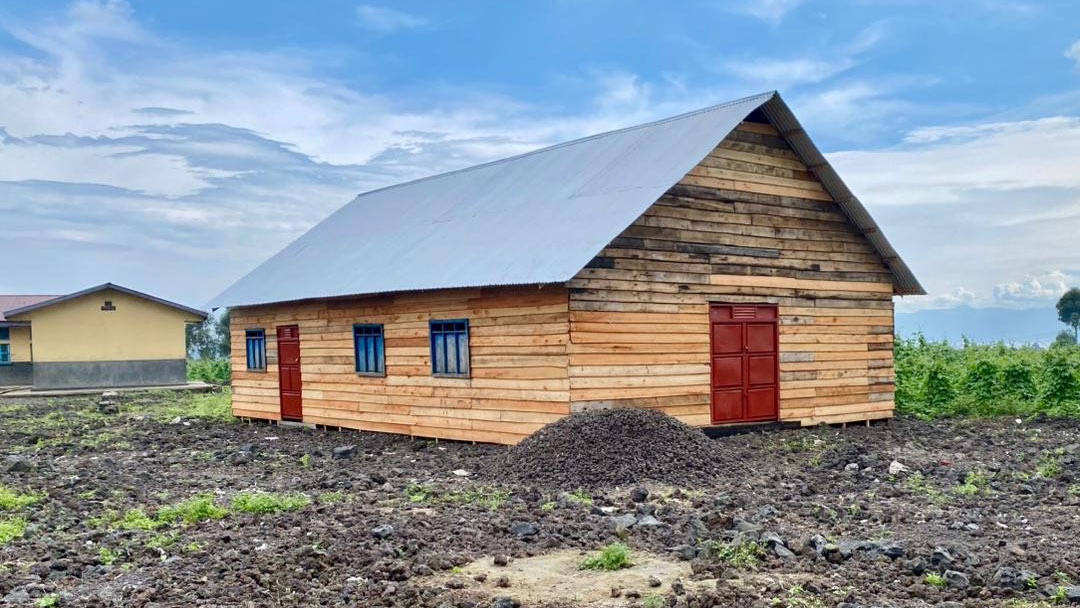
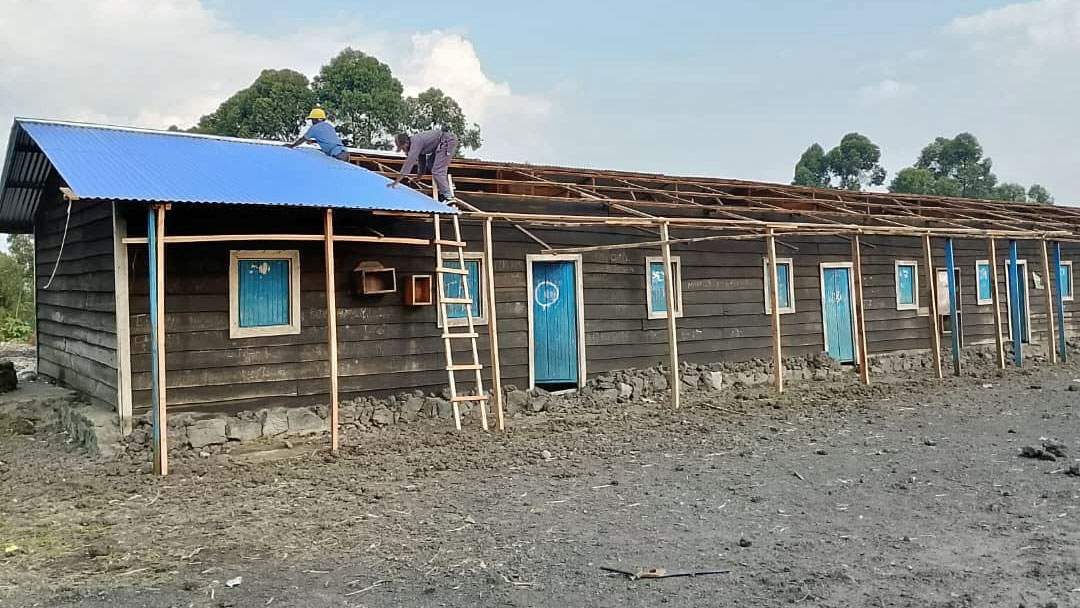
Bishop Martin explained what happened next: “We already had a school there, which struggled to function, but recent events have meant that getting around is actually easier. So, we bought a plot of land in October. Then in December, within the space of a 10 days we appointed an evangelist, built a 12m x 8m wooden church with the generosity of a UK parish, and held a two-day evangelism campaign which was attended by over four thousand people, with nearly 900 became Christians.
“Now there is the small matter of follow-up, but the following Sunday the church was full, and they had to borrow chairs from the neighbour to give everyone a seat. This is a Kinyarwanda speaking area and we have just finished translating the catechism into the local language which will help disciple these new believers.”
In the immediate aftermath of the invasion, Bishop Martin helped to launch the Goma Call for Peace, a nearly 500,000 strong global petition, supported by the Anglican Communion, that helped to raise the plight of the Congolese and call on the international community to intervene.
Bishop Martin concluded, “Times are incredibly hard in Goma right now. The 2025 invasion adds one more layer of trauma to more than 30 years of conflict. And many still struggle to make ends meet. But amidst the suffering, we testify daily to God’s faithfulness, and we continue to put our trust in him, as the one who will ultimately bring about peace.”