Mission and Migration conference
Shifting Centres, Moving Peoples: what happens when the global church moves right next door?
Location: Liverpool Hope University and online
Date: Friday 4 and Saturday 5 September 2026
Shifting Centres, Moving Peoples
Rethinking Partnership and Mutuality in an Age of Migration
Discomfort and grace: reflections on the Acts 11 Mission and Migration conference
Dr Nuam Hatzaw reflects on the highlights of the conference and how migration reshapes our ideas of mission, the Church, and fellowship.
Photo highlights
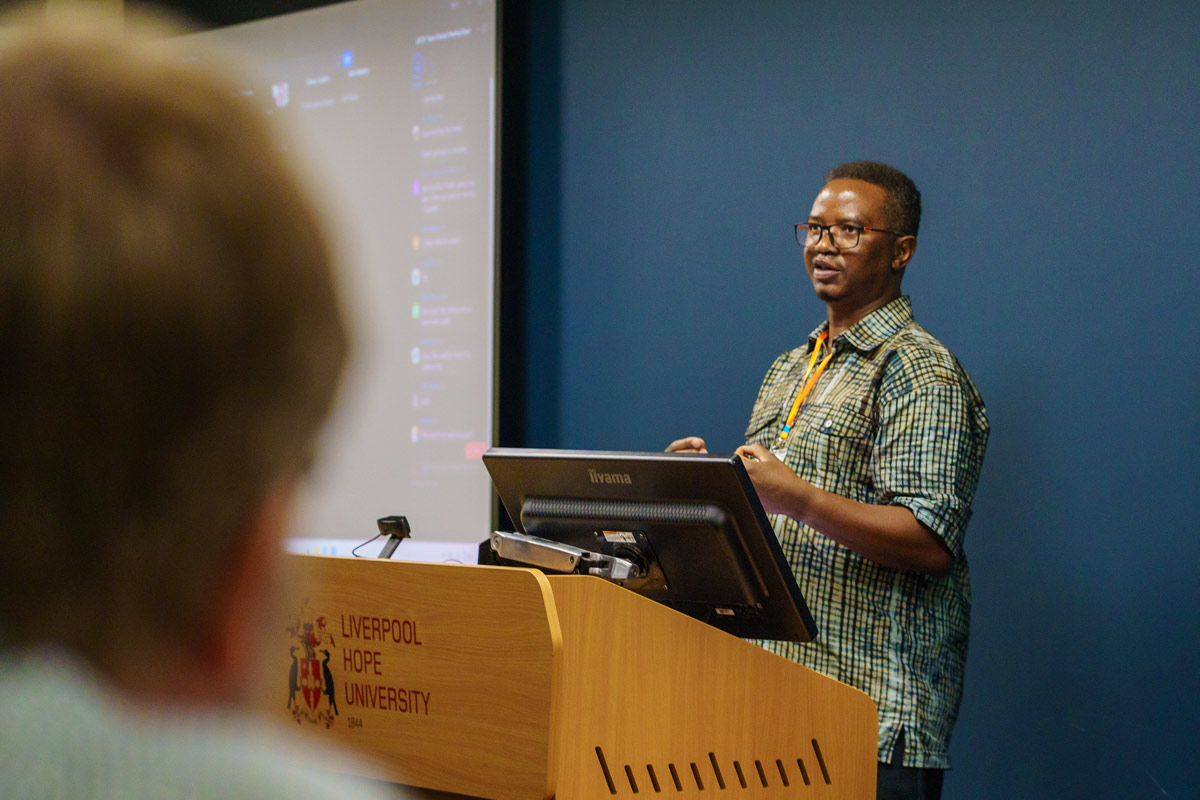
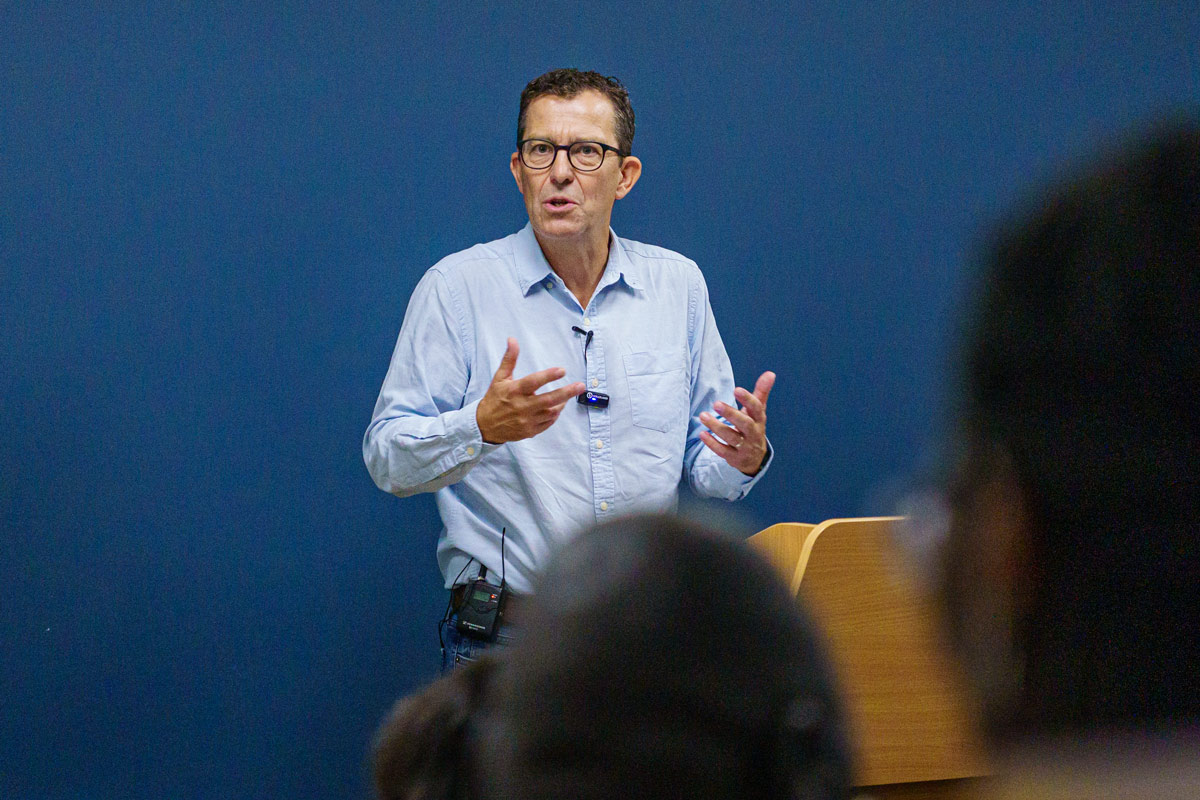
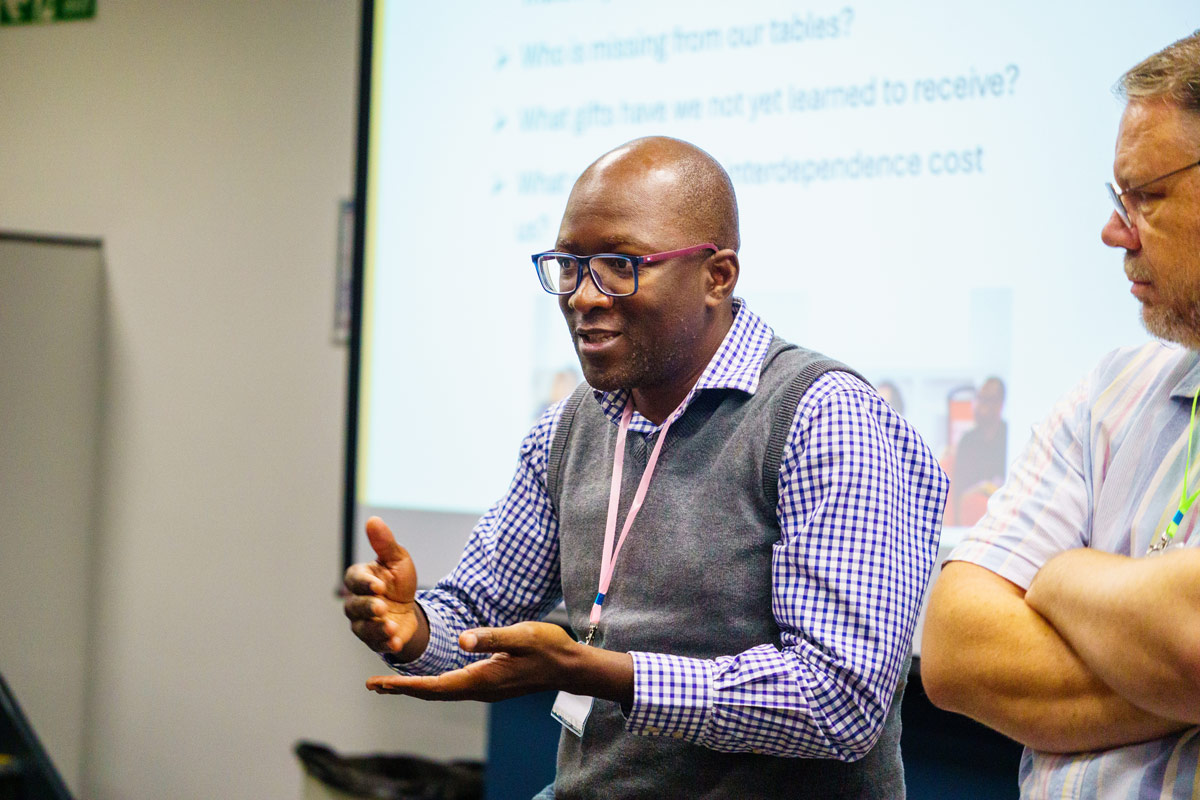
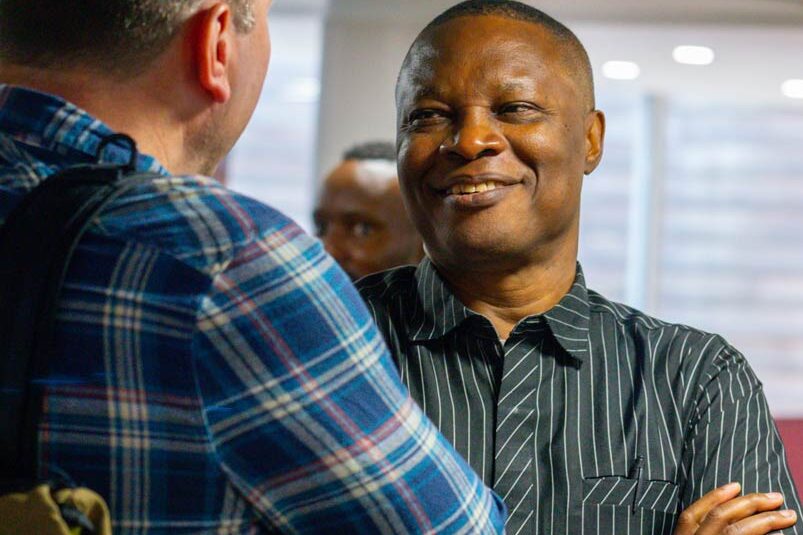
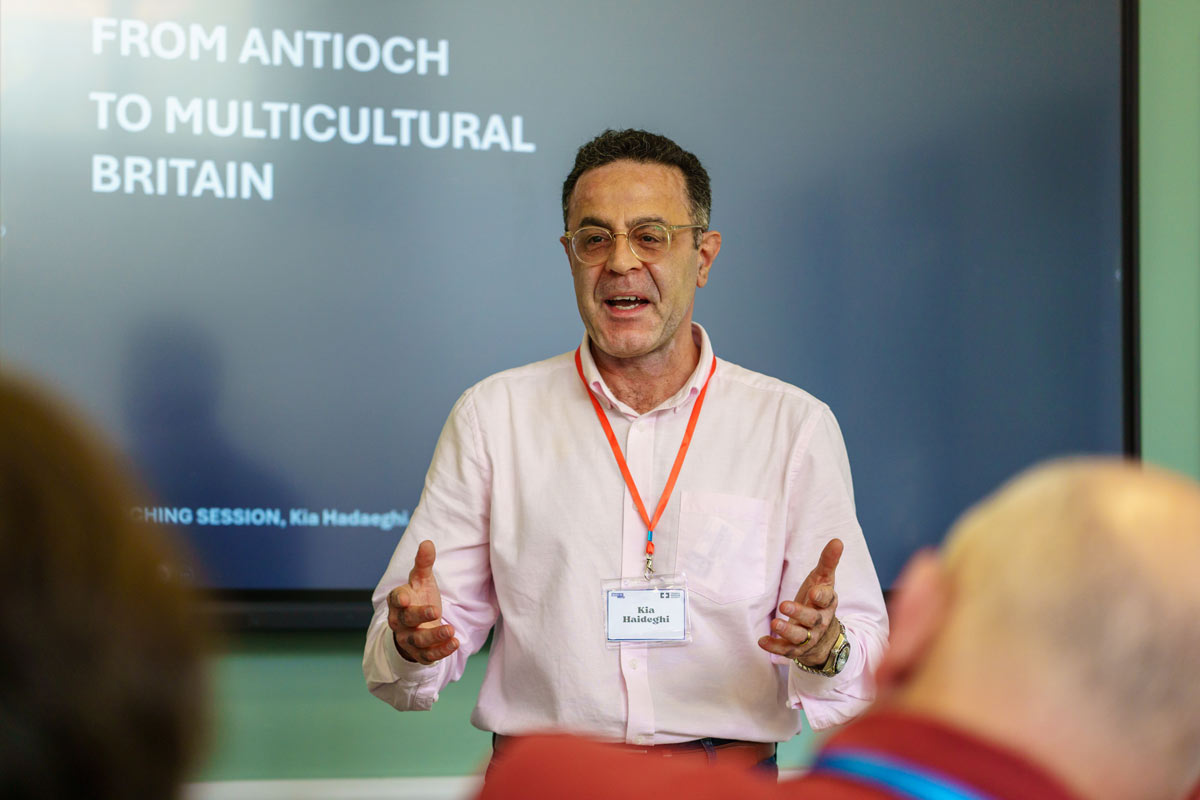
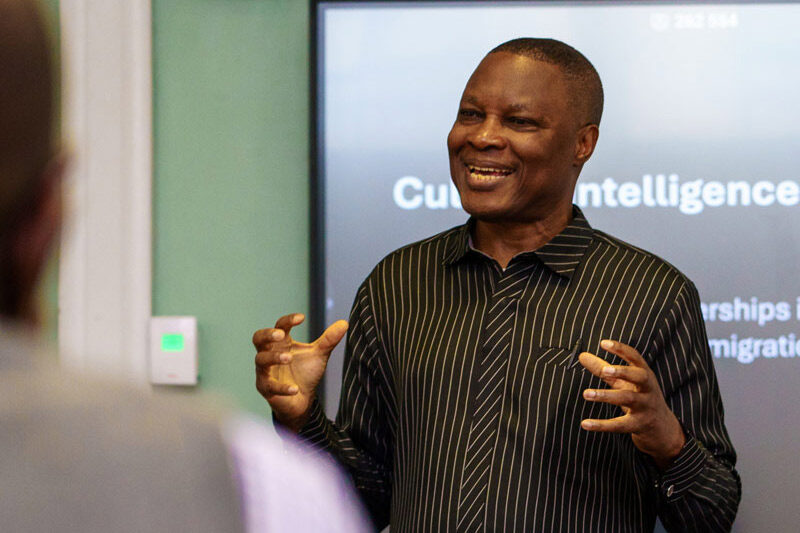
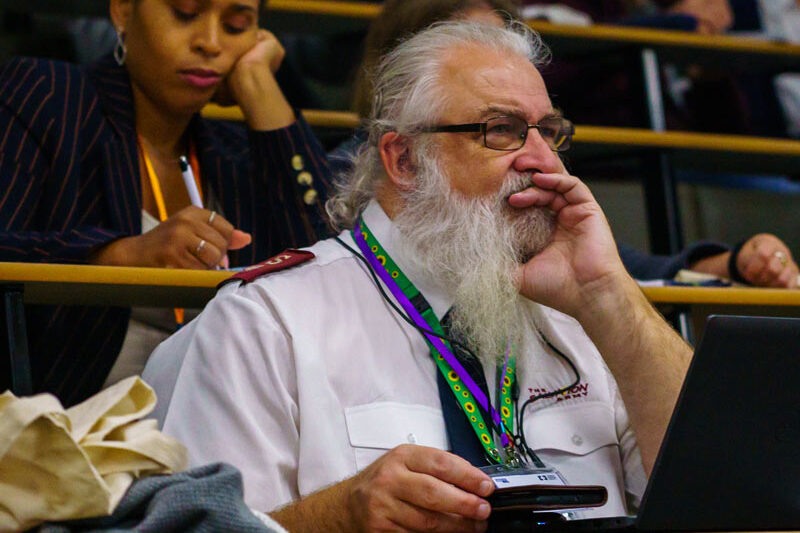
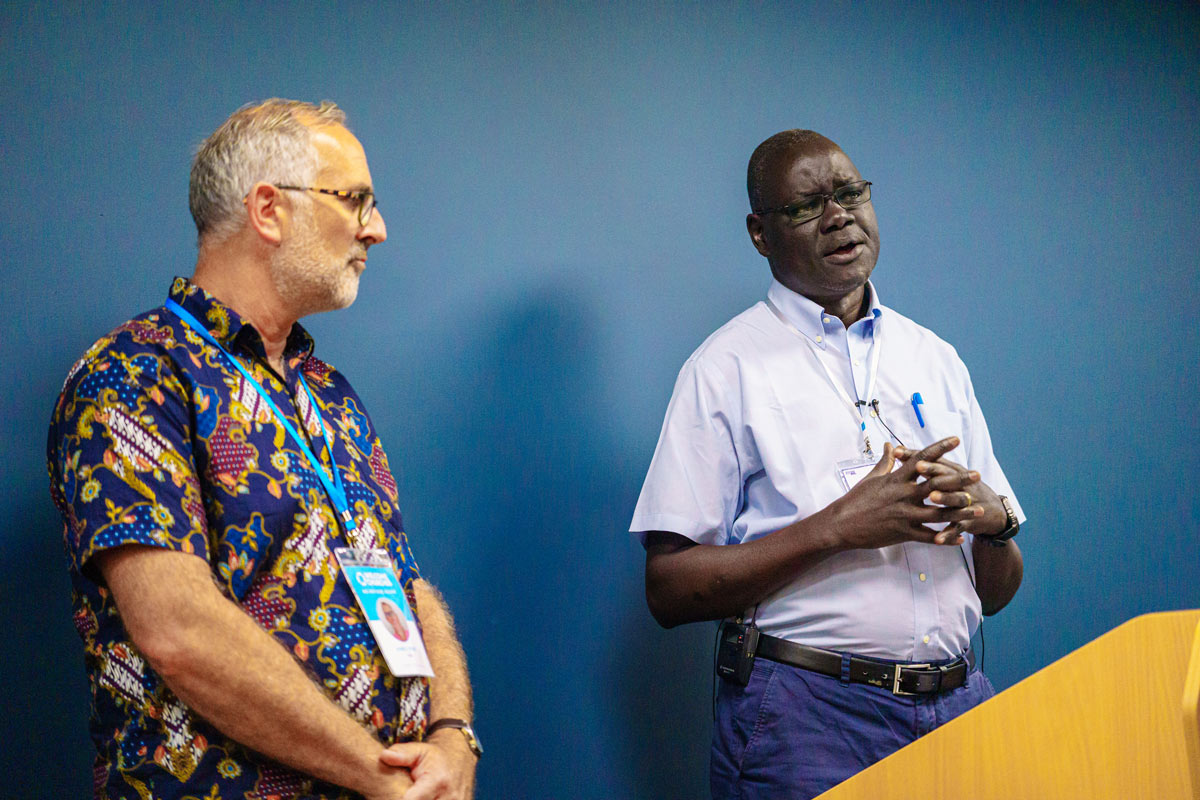
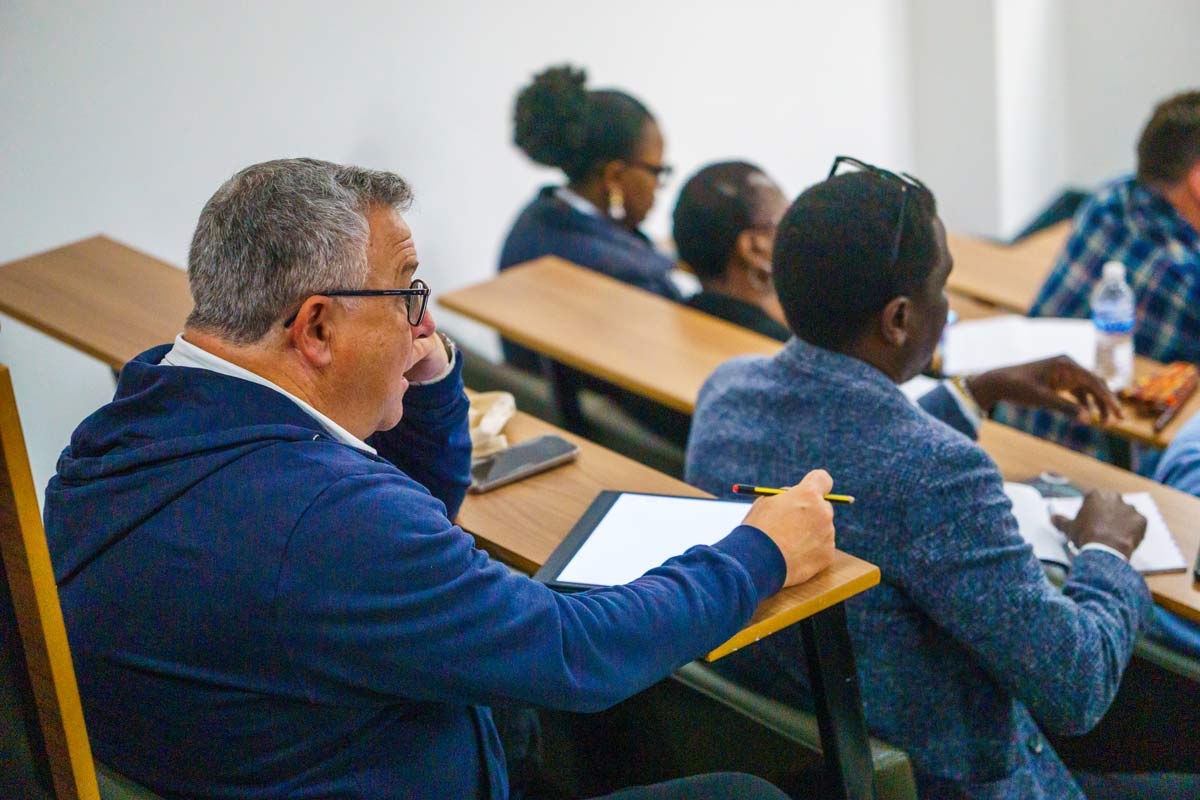
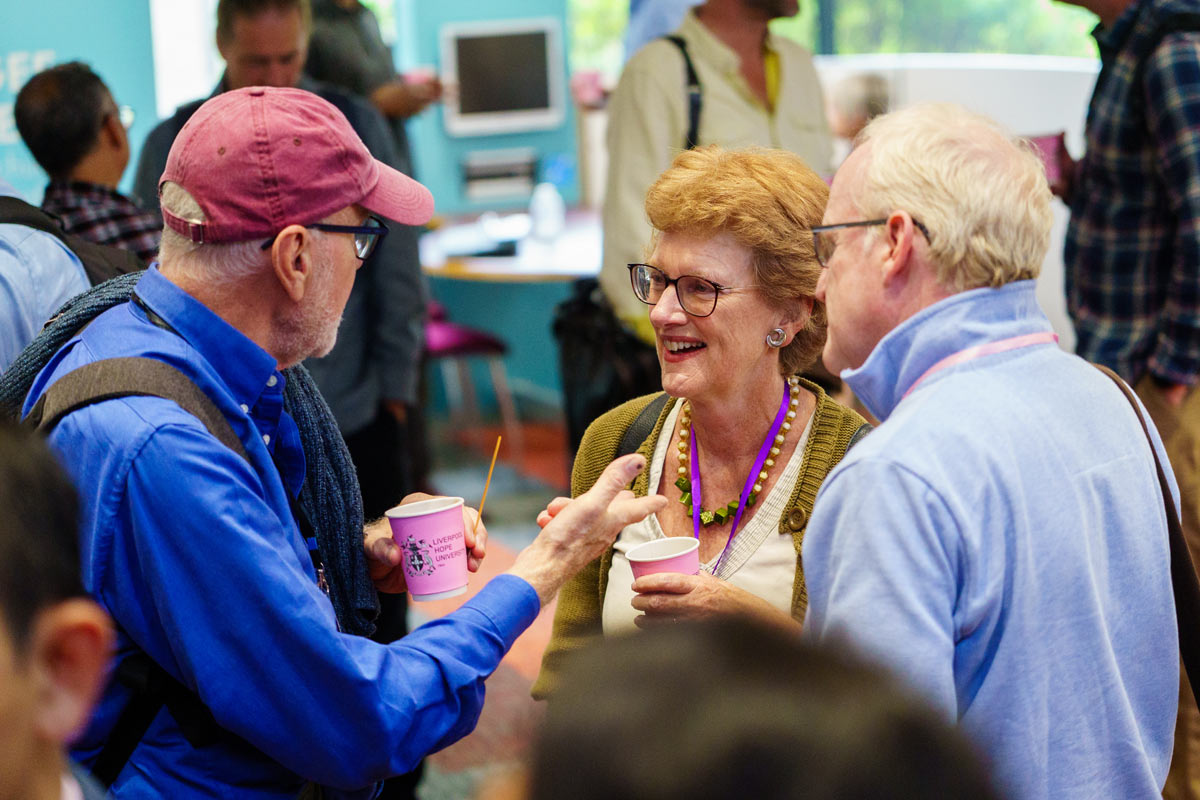
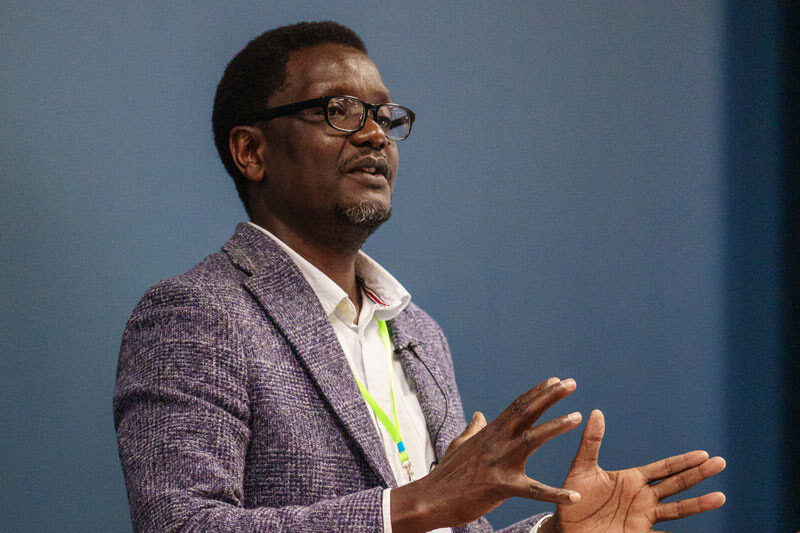
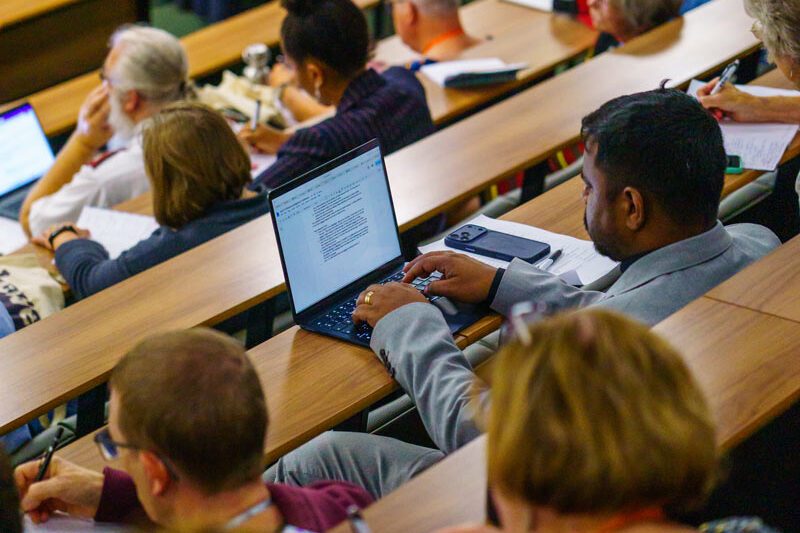
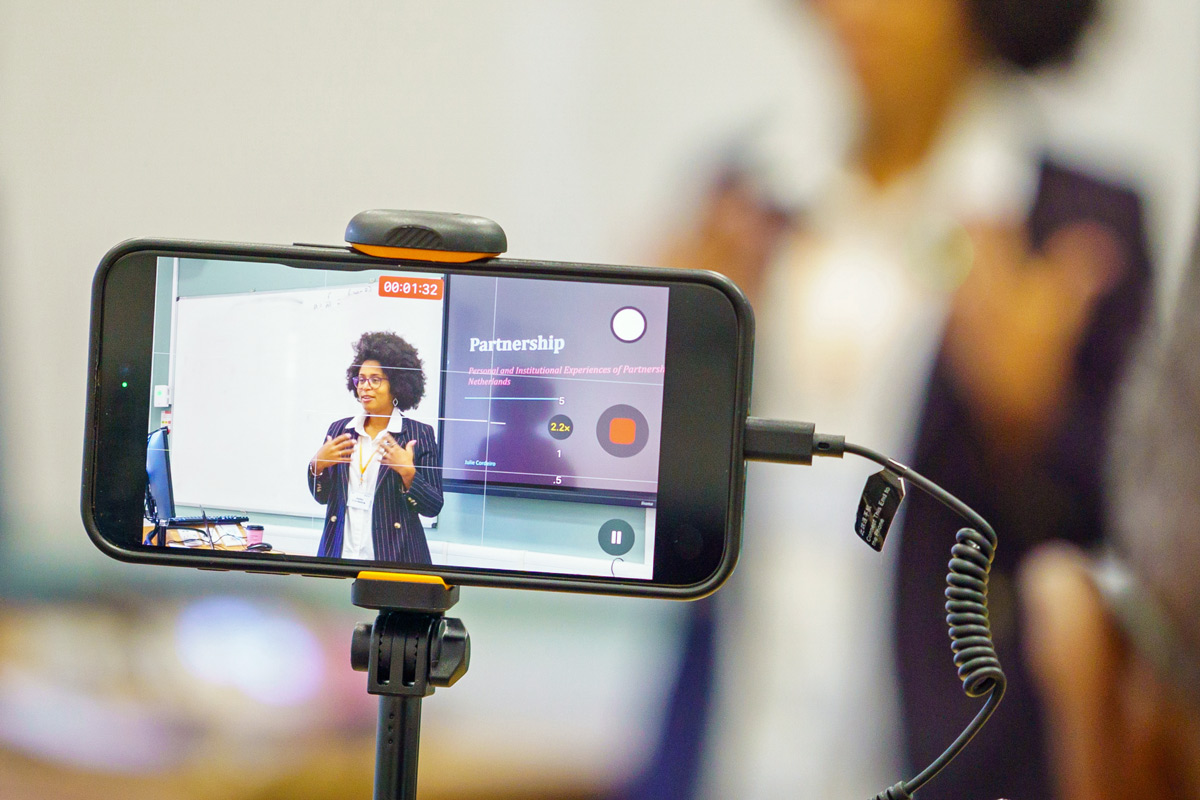
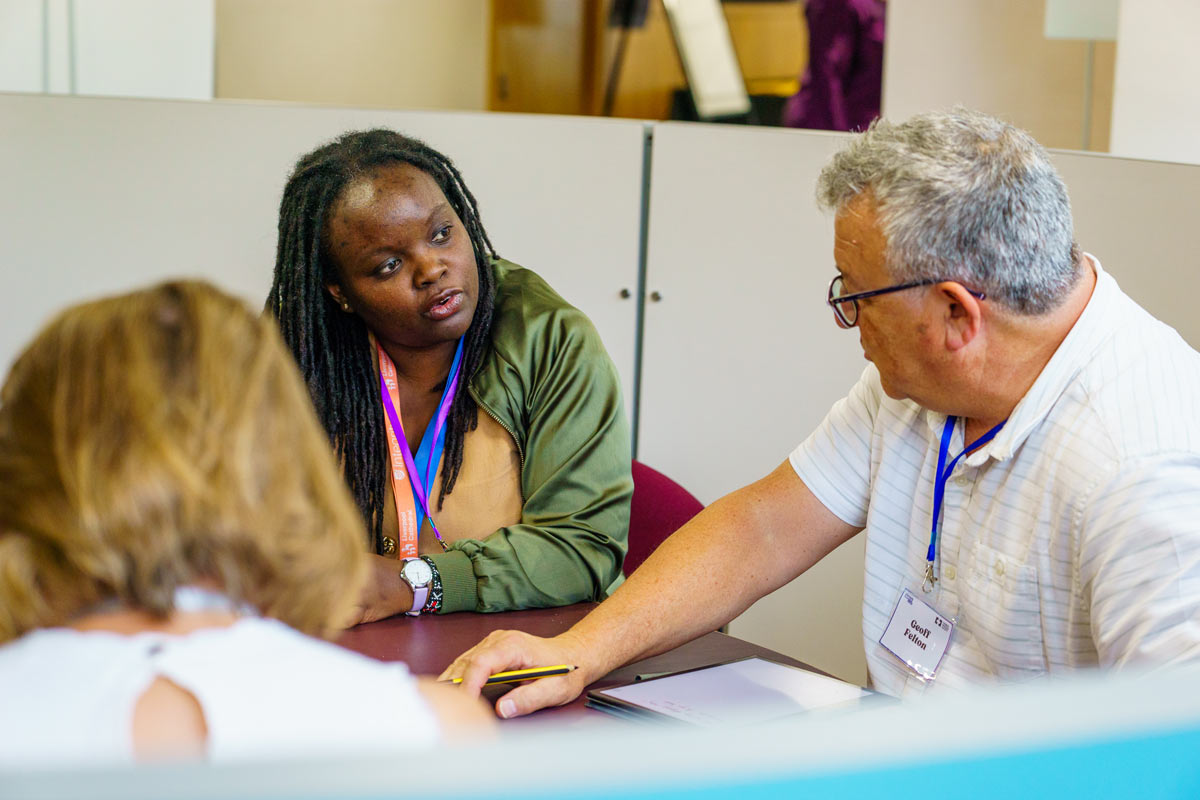
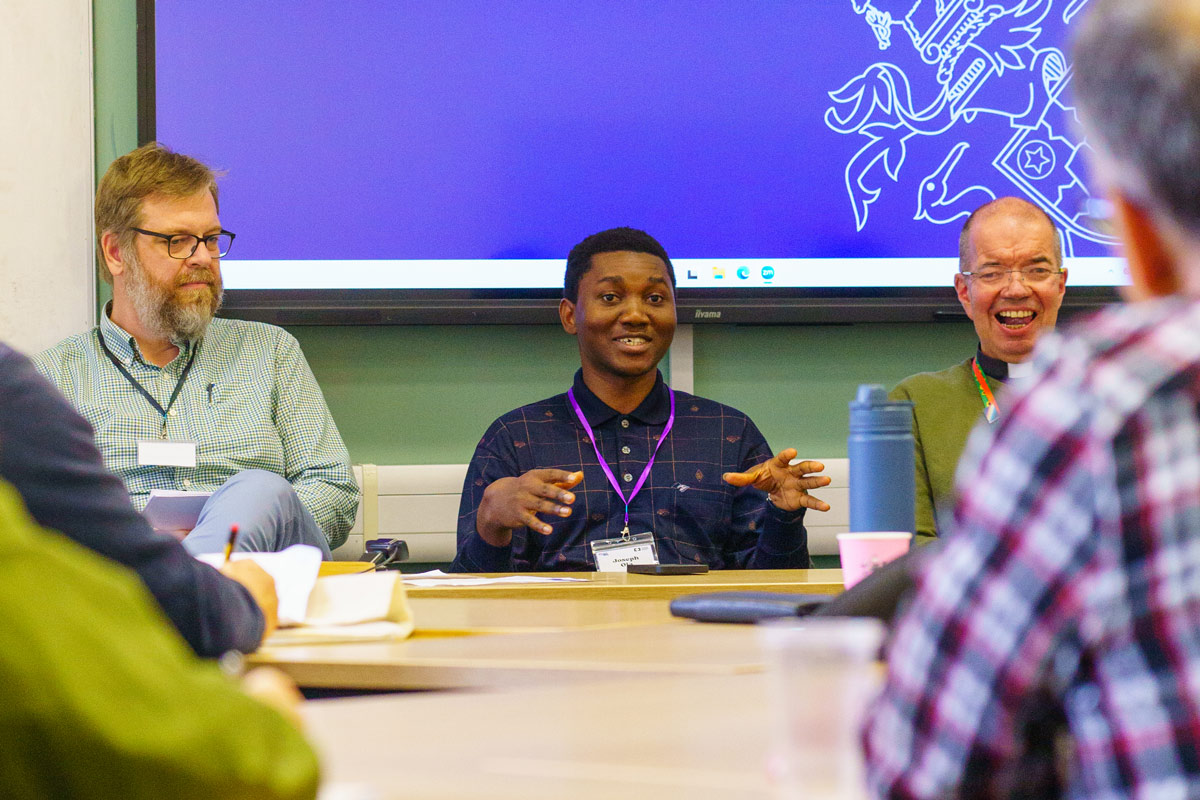
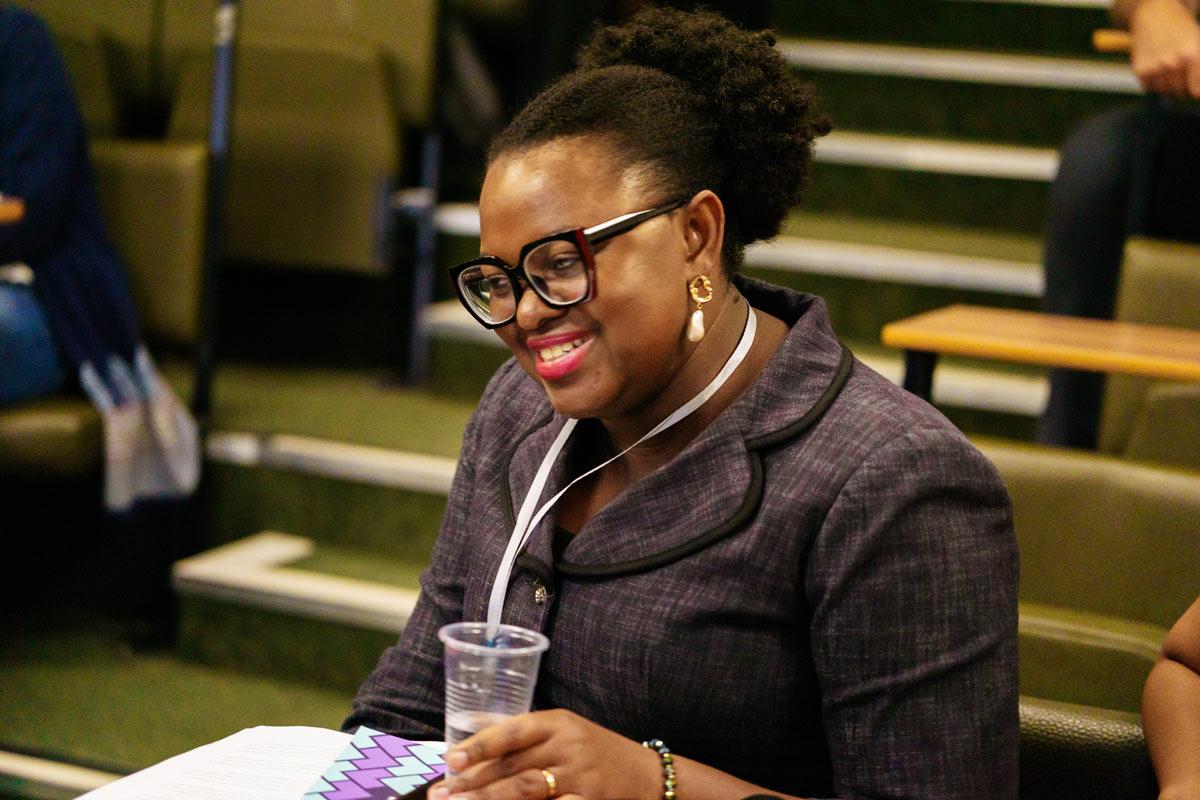
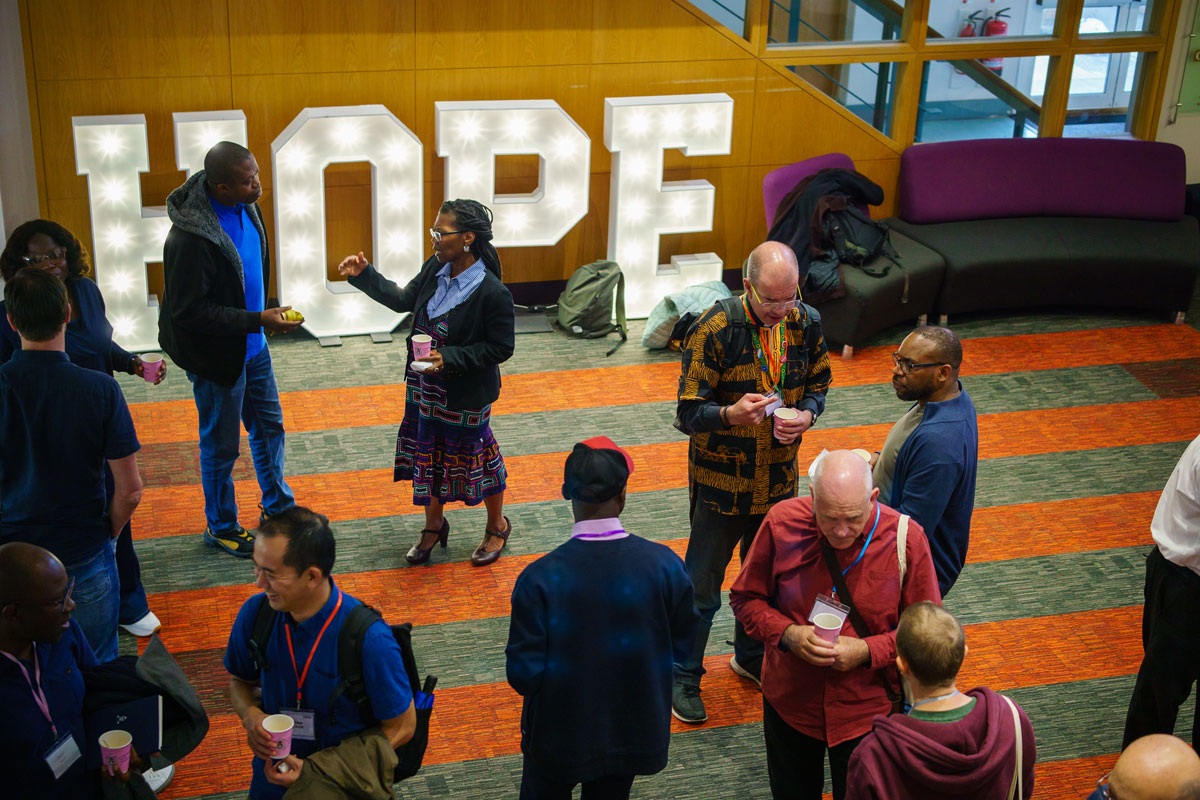
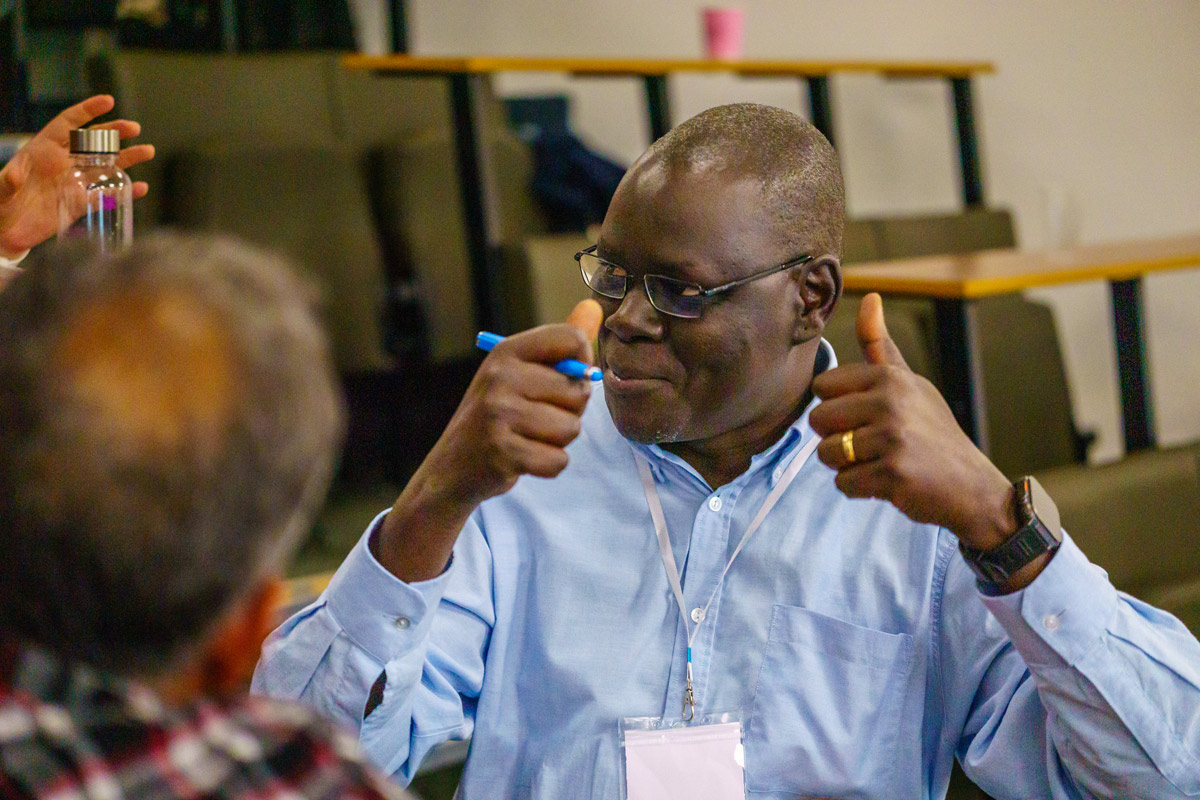
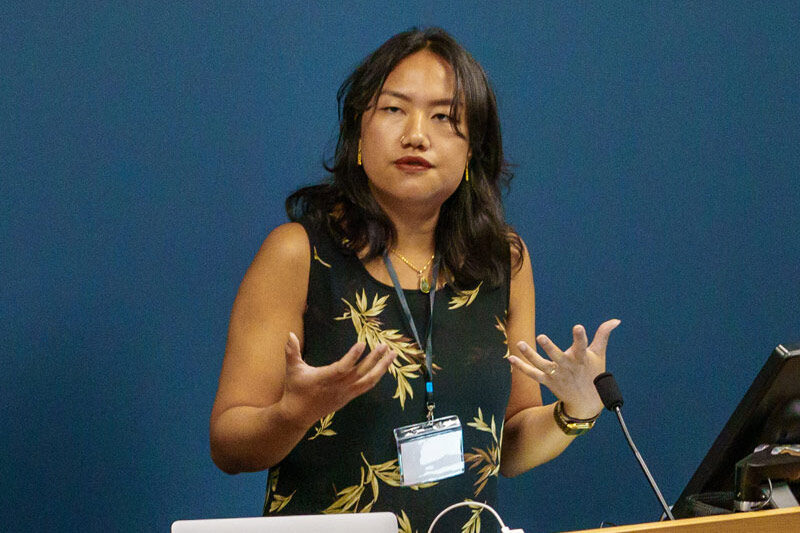
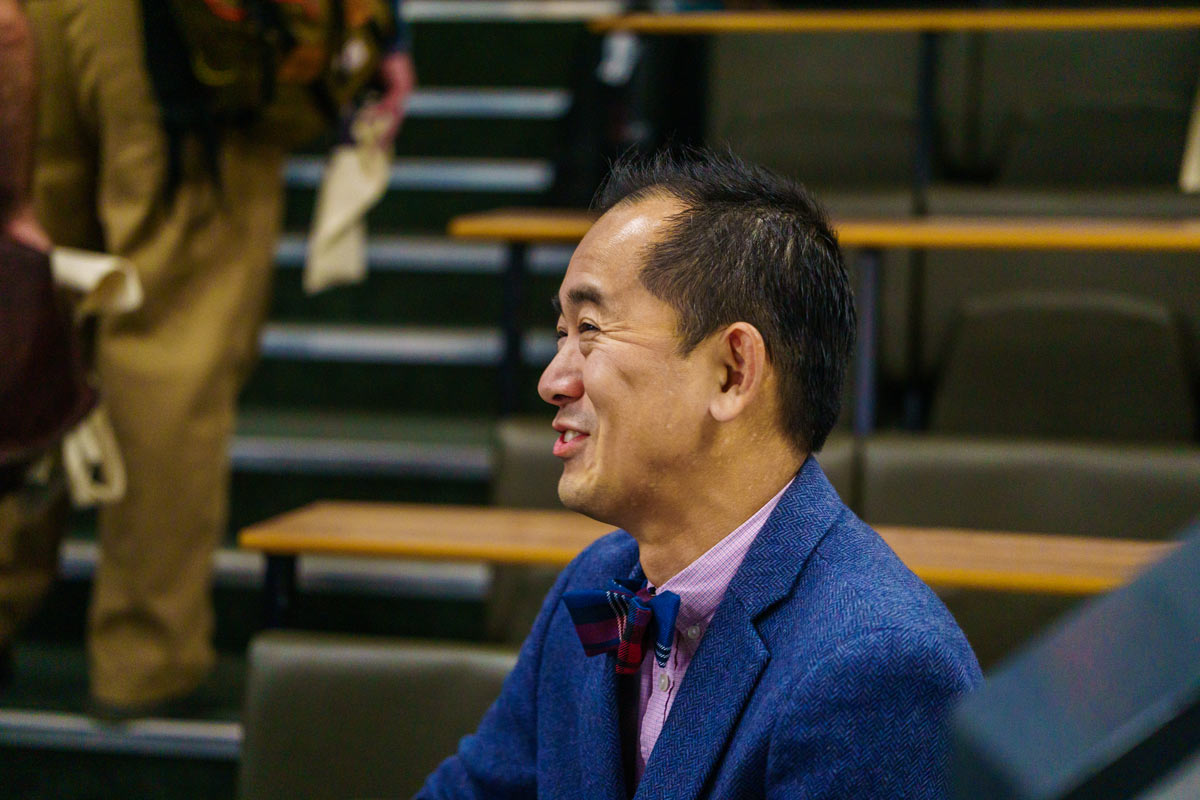
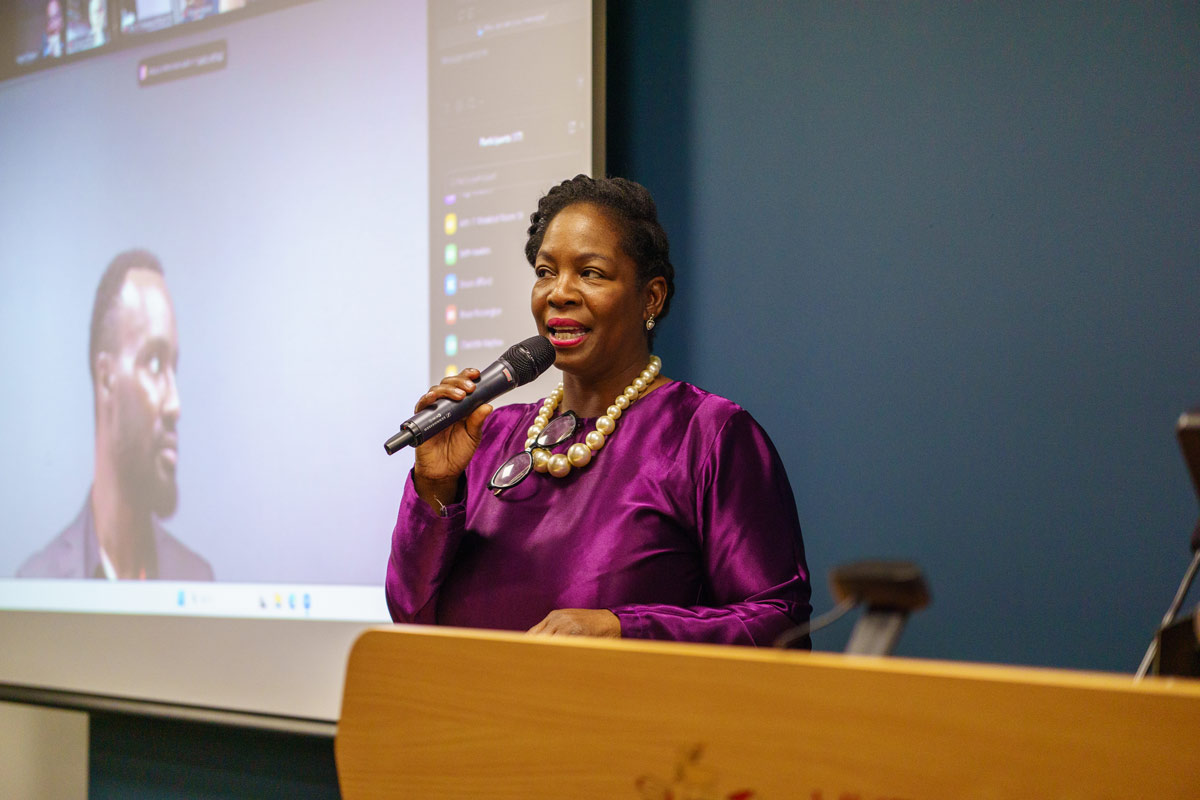
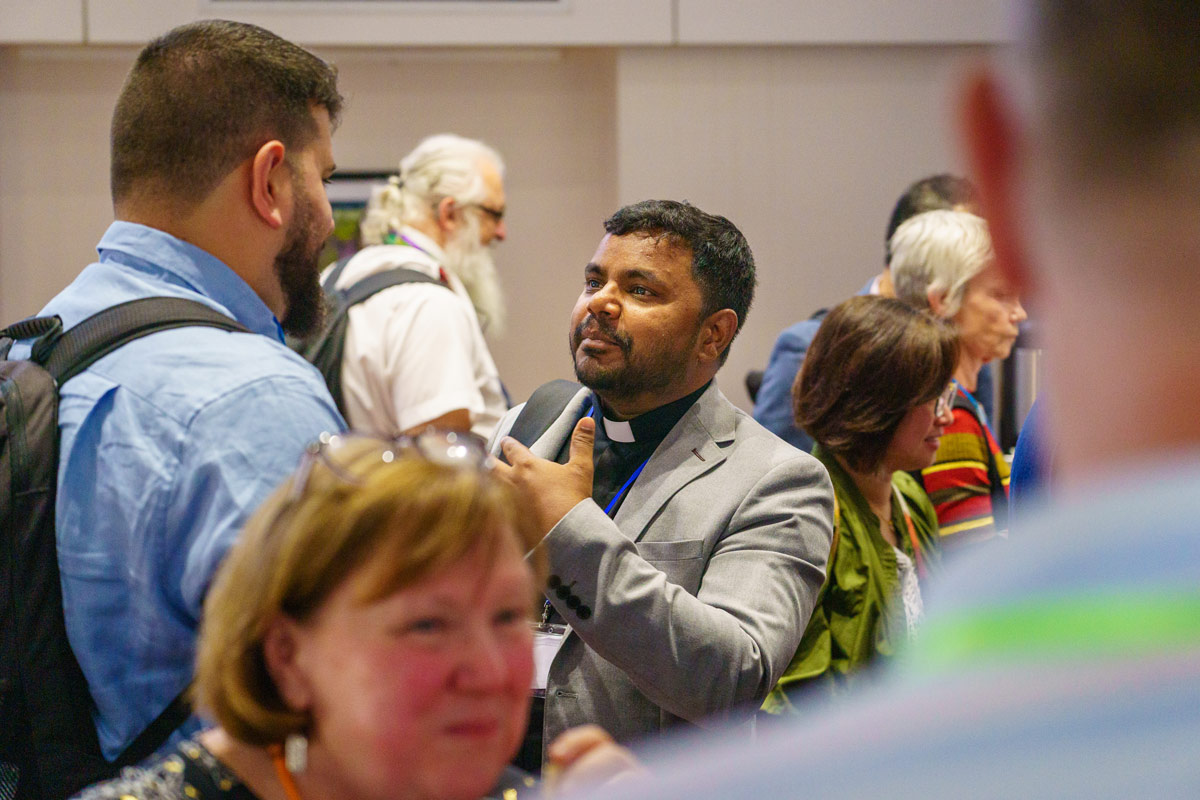
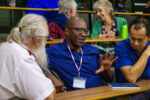
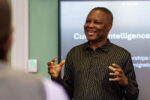

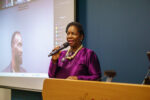
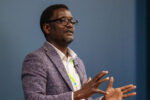














Migration is one of the defining realities of our age. As people move across borders and continents, long-established centres of economic, cultural, political, and religious influence are shifting in profound ways. Across Europe, these shifts are transforming communities, identities, and institutions – creating both new possibilities and complex challenges for the Church and society.
At the same time, in an increasingly post-Christian context, relationships between historic denominations and diaspora and migrant churches are becoming ever more significant. While the language of partnership and mutuality has long been central to mission conversations, these ideals often remain difficult to realise in practice.
This conference seeks to move beyond simply affirming these values to asking deeper and more urgent questions: Why, after decades of discussion, do partnership and mutuality remain unresolved? What historical, theological, cultural, economic, and institutional dynamics continue to shape – and sometimes limit – our aspirations toward genuine mutuality? And what new language, frameworks, and practices might help us move forward?
The Acts 11 Conference Shifting Centres, Moving Peoples brings together church leaders, mission practitioners, academics, students, policymakers, and community leaders to explore these critical issues. Through keynote presentations, panel discussions, workshops, and specialised streams, participants will engage the realities of migration and intercultural mission while examining the complexities, tensions, and possibilities of working together across difference.
Held in Liverpool – a historic gateway city shaped by global movements of people – this two-day gathering offers a unique space for honest conversation, theological reflection, and collaborative learning. Together, we will seek to discern how God is at work through migration today, and what it means to walk together in more faithful, just, and genuinely mutual ways.
Speakers
Keynote speakers include Dr Alexander Chow (University of Edinburgh) and Dr Sheila Akomiah-Conteh (Evangelical Alliance), alongside voices from organisations working at the intersection of migration, mission, and church life.
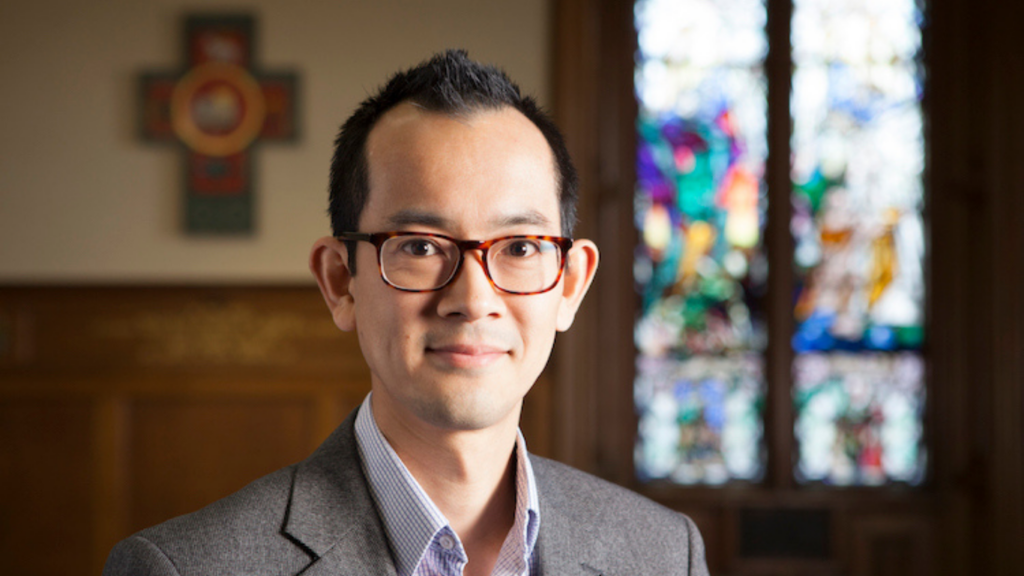
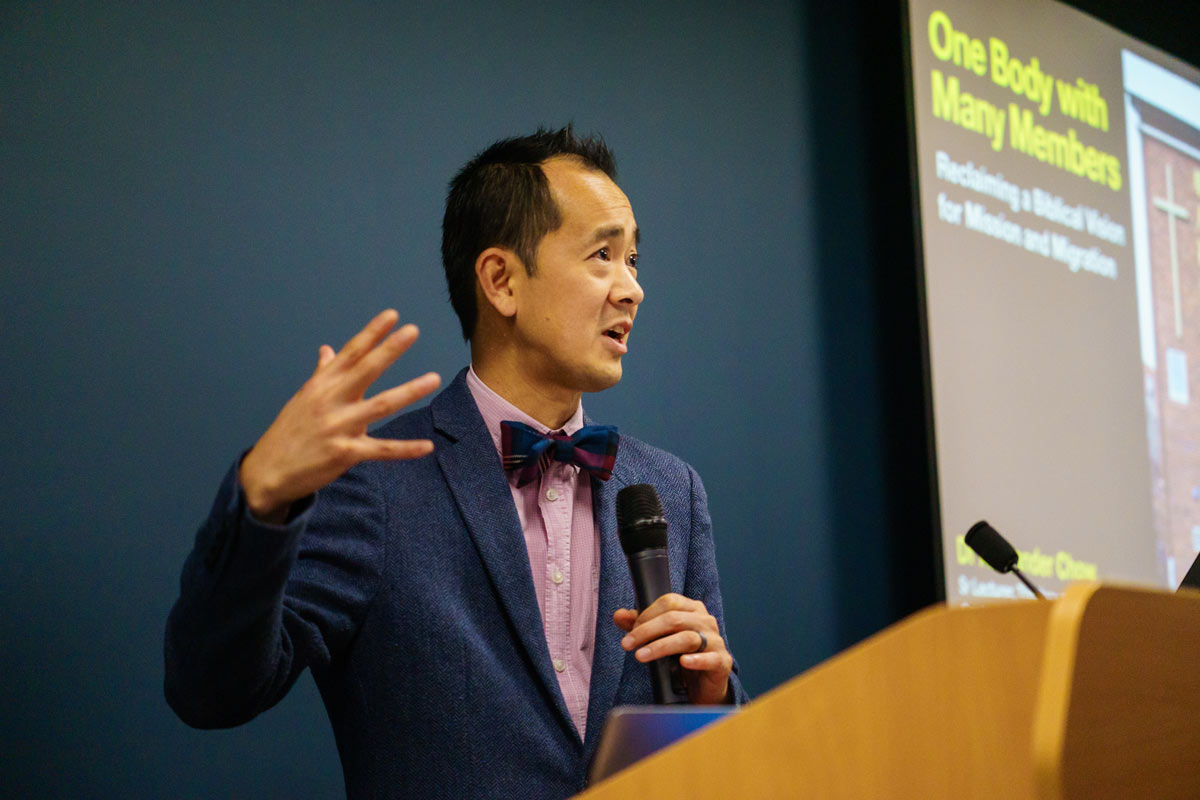
Alexander Chow, Senior Lecturer in Theology and World Christianity, University of Edinburgh
Alexander Chow, a Chinese American, is Senior Lecturer of Theology and World Christianity and Co-Director of the Centre for the Study of World Christianity at the School of Divinity, University of Edinburgh. He is the author or editor of seven books, including Chinese Heritage in British Christianity: More than Foreigners (SCM Press 2025) and The Oxford Handbook of Digital Theology (Oxford University Press 2026).
Title: One Body with Many Members: Reclaiming a Biblical Vision for Mission and Migration
Abstract: British Christianity has been changing, but British Christians haven’t noticed. We hear media and politicians preach the bad news of decline in Christian Britain and the worries of mass immigration. The language becomes binary: us vs. them, decline vs. revival, host vs. guest, saved vs. lost. We forget that British Christianity is made up of much more than just the “locals.” We are One Church and One Body—One that is made of many. Our Church needs to reclaim a biblical vision for mission and migration.
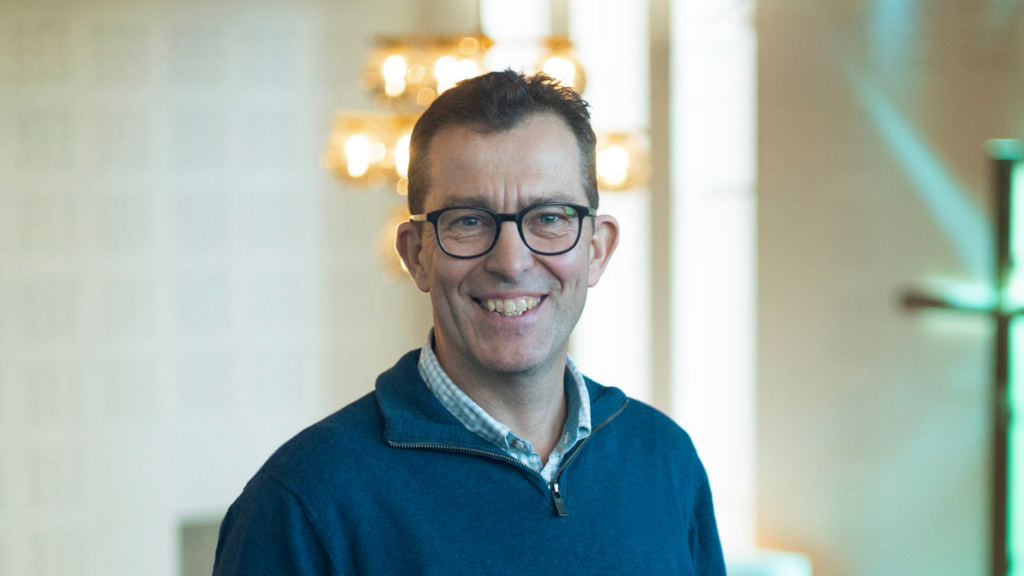
Adam Martin, International Director, Intercultural Churches
Adam has been involved in intercultural ministry for the last 20 years. With his wife Karina, they planted an intercultural church in the centre of Derby and served as senior leaders with a culturally diverse church working across the East Midlands. In 2019 Adam began to develop a network to support the development of healthy intercultural churches across the UK.
In 2025 Adam and Karina relocated to Spain where they are pursuing their call to plant intercultural churches, whilst continuing to expand the Intercultural Churches network across Europe.
Title: Caught in a Network of Mutuality: From Theological Vision to Intercultural Practice
Abstract: Drawing on Paul’s image of the body of Christ and King’s vision of mutuality, this keynote moves from theological foundation to the practical shape of honouring difference within genuine intercultural partnership. It explores what mutuality requires when cultural difference is not simply welcomed but allowed to reshape relationships, leadership, decision-making, worship, and mission. Drawing on reflections from the Intercultural Church Movement, it considers both the possibilities and tensions of building communities in which different cultural perspectives are not merely represented, but genuinely valued and allowed to contribute to the life of the whole.
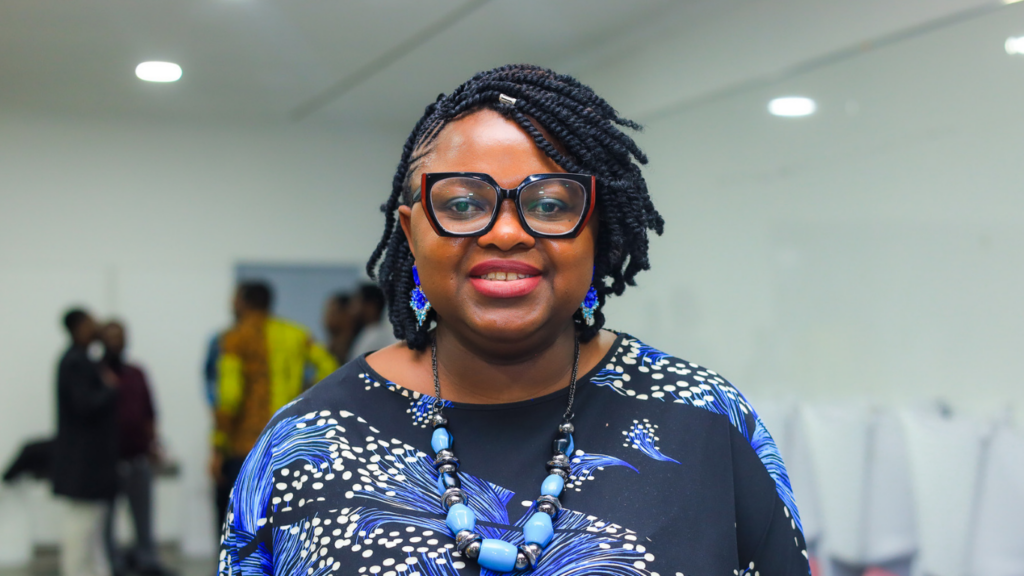
Sheila Akomiah-Conteh, Intercultural Unity Lead, Evangelical Alliance Scotland
Sheila Akomiah-Conteh is a Ghanaian theologian based in Glasgow, Scotland. She serves as the Intercultural Unity Lead at Evangelical Alliance Scotland, where she works to foster intercultural relationships, shared leadership, and collaborative mission across the Church in Scotland. Her work and wider research interests focus on African theological perspectives, new and emerging churches, and diaspora Christian missions in the West.
Title: Intercultural Mutuality in Practice: Reflections from Scotland
Abstract: This keynote reflects on intercultural mutuality as more than the coexistence of different cultures within Christian communities. Drawing on experiences from Scotland, it explores what happens when churches move from welcoming cultural difference to sharing power, leadership, theological insight, and missionary responsibility across cultures. It considers both the possibilities and tensions of intercultural life, asking how mutuality can reshape the church’s understanding of belonging, mission, and witness.

